REVIEW · ACCRA
Accra Slave Castle and City Private Tour with Pick up
Book on Viator →Operated by Ghana Must Go Tours · Bookable on Viator
Accra hits you fast, even in half a day. This private tour with pickup lines up key sites in the Ghanaian capital so you understand what you’re seeing, not just where to stand for photos, with Osu Castle as the heavy-hitting anchor.
I really like how the guide builds context as you go. You’ll get clear explanations of independence-era ideas, the freedom-fighters story, and the Pan-African movement, plus practical advice on where to eat and drink in the city.
One thing to keep in mind: lunch isn’t included, and the schedule is tight enough that you’ll want to plan for water and snacks on your own. Also, the experience depends on good weather.
In This Review
- Key Things I’d Book This For
- A Half-Day in Accra That Feels Like You Know the City
- Pickup, Private Guide, and the Advantage of Toufic’s Style
- Kwame Nkrumah Memorial Park: Pan-African Ideas You Can Actually See
- Osu Castle (Christiansborg): When a City Tour Gets Real
- Independence Square and the Black Star View
- The Fantasy Coffin Casket: Craft, Identity, and Everyday Meaning
- Centre for National Culture: Shopping With Help (and Better Chances)
- Price and Value: Is $125 Worth It?
- Timing, Weather, and How to Make the Day Feel Easy
- Who This Tour Fits Best
- Should You Book This Accra Private Tour?
- FAQ
- How long is the Accra private tour?
- What time does the tour start?
- Is pickup and drop-off included?
- Where does the tour start?
- What sites are included on the route?
- Are admission tickets included?
- Does the price include lunch?
- Is this tour private or shared?
- Is cancellation free?
- What if the weather is bad?
Key Things I’d Book This For
- Pickup and drop-off so you start and end without the hassle
- Osu Castle / Christiansborg as a meaningful alternative to longer coastal forts
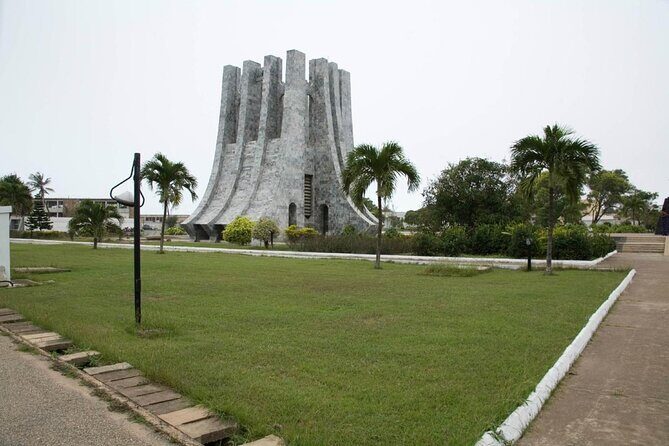
- Kwame Nkrumah Memorial Park timed for a focused, no-rush visit
- Independence Square for both architecture and a good view toward the ocean
- Centre for National Culture for buying gifts with help negotiating
A Half-Day in Accra That Feels Like You Know the City
This tour is built for one big question: how do you get the best of Accra without spending your whole day in transit? The answer is simple—smart routing plus a private guide who can explain what matters as you move between stops. In 4 to 5 hours, you cover major landmarks that shape how people understand Ghana’s past and present.
I like that the pacing is realistic. You’re not trying to sprint through museums in 15-minute chunks. Instead, you get about an hour at Kwame Nkrumah Memorial Park, around two hours at Osu Castle, and shorter stops for Independence Square and the craft stop with the fantasy coffin casket. It’s enough time to look closely, ask questions, and still have energy left after.
Because you’re in an air-conditioned vehicle for the travel between places, you’re also not fighting the heat and traffic the whole time. That matters in Accra, where the city energy can hit fast.
You can also read our reviews of more city tours in Accra


Pickup, Private Guide, and the Advantage of Toufic’s Style
One reason this tour scores so well is the human factor: you’re not stuck with a script and a clock that ignores your questions. It’s private, so your group is the only group on the outing, which means your guide can slow down when something clicks—or speed up when you just want to get to the next photo spot.
In particular, the guide named Toufic shows up in the reviews for going above and beyond and being easy to talk to. That doesn’t just sound nice—it changes the feel of the day. When the guide is relaxed and conversational, you’re more likely to ask the real questions, like what a symbol means or why a place is remembered the way it is.
Practical perk: your driver handles the hotel/residence pickup and the return to the meeting point. You don’t need to figure out where to start with taxis, which is worth something on day one in a new city.
Kwame Nkrumah Memorial Park: Pan-African Ideas You Can Actually See
The tour starts with Kwame Nkrumah Memorial Park, and that choice is smart. Nkrumah isn’t just a name on a plaque—he’s a central figure in Ghana’s independence story and the wider Pan-African movement.
You spend about an hour here, with admission ticket included. This is your chance to put Ghana’s 1957 independence into context. Ghana was the first sub-Saharan country to gain independence, and Nkrumah’s leadership is part of why that matters far beyond the country’s borders.
What I like about starting here is that it gives you a framework. When you later see a site connected to slavery and colonial power, or a square built for national symbolism, you’re better at connecting the dots. The memorial park helps you understand what freedom movements were trying to change—and why people remember them.
If you’re the type who likes to understand before you photograph, this stop will feel like a strong first chapter instead of a quick checkpoint.
Osu Castle (Christiansborg): When a City Tour Gets Real
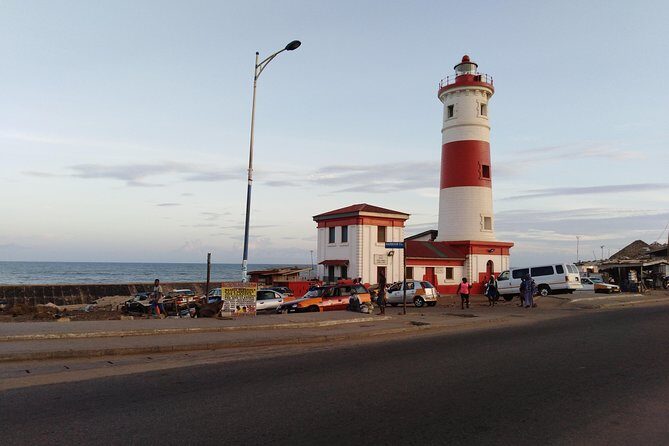
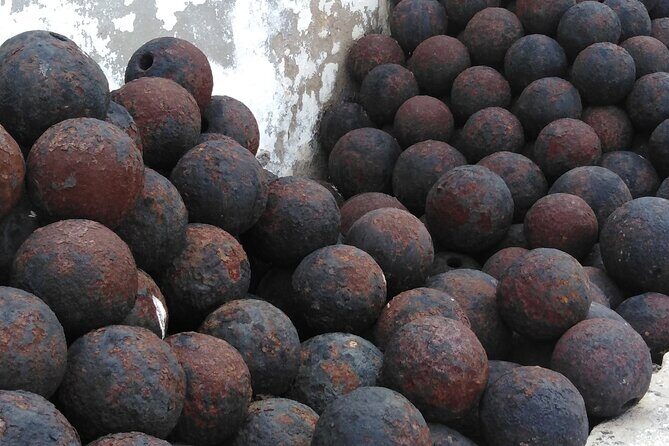
Next up is Osu Castle, also known as Christiansborg Castle. This is one of the Danish-built forts used for enslaved trade, and it’s located right here in Accra—so you don’t have to travel to Cape Coast or Elmina to experience something similar.
You get about two hours at this stop, with admission ticket included. Two hours is a good amount of time for a place like this because it gives space for the emotional weight. You can look around, read carefully, and let the guide explain the layers without feeling rushed.
The best practical way to approach this visit is to expect a shift in mood. This isn’t a casual photo stop. If you’re sensitive to heavy topics, go in with that in mind and give yourself room to pause. A good guide helps with that—by explaining the historical role of the fort and what people gained and lost because of it.
Why this stop is valuable on a city tour: it grounds your Accra understanding in a real structure tied to colonial-era power. You’ll feel it when you’re standing there, and you’ll have the historical context to make sense of it.
Independence Square and the Black Star View

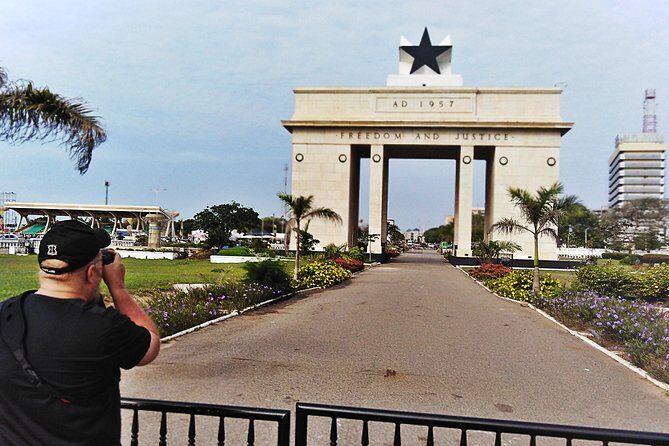
After Osu Castle’s gravity, the tour moves to Independence Square, sometimes called the Black Star Square. You get about 30 minutes here, with admission included.
This stop is all about symbolism and setting. The square is known for its architecture, and it’s also a strong photography point. More importantly, it gives you a sense of place—there’s a view and an ocean breeze, so you experience Accra not only as history, but as a working modern city.
I’d treat this stop like a breather with purpose. Take a few minutes for photos, sure, but also listen to what your guide explains about what independence meant and how these public spaces were designed to represent identity.
If you like street-level context, this is also where you can start noticing how people move through the city around major landmarks.
You can also read our reviews of more private tours in Accra





The Fantasy Coffin Casket: Craft, Identity, and Everyday Meaning
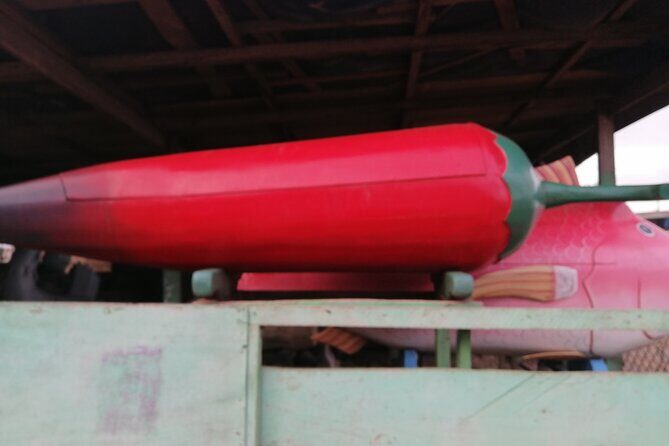
One of the most memorable parts of the route is the stop for the fantasy coffin/casket. You’ll spend around 30 minutes here, and it’s listed as admission-free.
This is the kind of place that surprises first-time visitors because it looks artistic at a glance, but it’s actually about identity. These caskets reflect people’s professions or interests through woodwork and design, turning a funerary tradition into a kind of personal statement.
What I like about including this on a history-focused tour is balance. You’ve just spent time with themes of colonial power and national independence. Now you’re seeing a living cultural practice—one that connects art to how people express who they are.
Even if you’re not buying anything, it’s worth slowing down for a few minutes and letting the detail sink in. The craftsmanship is the point, and it’s easier to appreciate with a guide who can explain the meaning behind the shapes and symbolism.
Centre for National Culture: Shopping With Help (and Better Chances)

The last major stop is the Centre for National Culture. You’ll have about an hour here, with admission included, and it’s positioned as the place for gifts and personal shopping.
You’ll find fine art, antiques, leather products, and jewelry. This is also where your guide can help you negotiate for fair rates. That matters. Shopping for souvenirs in any country can turn into a guessing game if you don’t have someone translating the local reality of pricing and value.
The way I’d use your time here is simple: don’t try to do everything in the first 10 minutes. Start with the items you actually want to bring home. Then compare a couple of stalls and ask questions. If you want, ask your guide what looks like good value in the context of local craftsmanship.
This stop is also a good way to walk away with something that feels connected to Ghanaian culture, not just a generic trinket.
Price and Value: Is $125 Worth It?
At $125 per person, this isn’t a bargain-basement deal. But for a private tour in Accra with pickup and an air-conditioned vehicle, it can be good value—especially if you value context and convenience.
Here’s what you’re paying for, practically:
- Private guide time with explanations at each stop
- Hotel/residence pickup and drop-off, which saves you energy and transport hassle
- Admission included for several key sites (Kwame Nkrumah Memorial Park, Osu Castle, Independence Square, and the Centre for National Culture)
- A schedule that covers multiple high-impact places in one outing
If you’re traveling with a group, check whether group discounts apply through the provider. Those small savings can quickly shift the equation.
Also, you’re not paying for lunch here—so you should budget separately if you want a full meal. If you plan to grab something light after the tour, the structure makes sense.
Overall: I think the price is fair if you want an organized route plus a guide who helps you interpret what you’re seeing.
Timing, Weather, and How to Make the Day Feel Easy
Your start time is 8:30 am, and the experience runs about 4 to 5 hours. Starting early is useful because it gives you a better chance of comfortable conditions before the day heats up too much.
The tour also requires good weather. Since parts of the experience involve being outside at landmarks, cloudy or rainy conditions can affect timing and comfort. If conditions turn, you’ll likely need flexibility.
My practical advice:
- Wear comfortable shoes. You’ll be moving between sites and standing for views.
- Bring water. Even with an air-conditioned vehicle, you’ll still be outside.
- If you care about photos, keep your phone charged and think about where you want the Independence Square shots taken.
Since lunch isn’t included, consider eating a proper breakfast before you go and planning a meal after you return.
Who This Tour Fits Best
This is a strong match if you:
- Want a private guide and don’t want to interpret everything alone
- Are short on time in Accra but still want the top landmarks
- Care about connecting places to the larger story—independence, freedom movements, and Pan-Africanism
- Prefer a city-based alternative to longer coastal routes while still seeing a major enslaved-trade site at Osu Castle
It can also work for families, based on how the guide is described as easy to talk to and patient. If your group includes younger kids, you’ll likely appreciate the slower, conversation-friendly pacing.
If you’re someone who only wants light, entertainment-style stops, this day includes heavy subject matter at Osu Castle. It’s worth it, but go in with your expectations set.
Should You Book This Accra Private Tour?
Yes, I’d book it if you want a guided Accra day that hits the major landmarks without wasting time figuring out transport. The standout value is the combination of private guidance and an efficient route: Kwame Nkrumah Memorial Park for the independence/Pan-African framework, Osu Castle for the historical weight, Independence Square for national symbolism and views, and the fantasy coffin craft stop for cultural balance. Finish at the Centre for National Culture for gifts you can actually pick with help.
I’d skip or rethink it only if you want a slower, unstructured day or if heavy history is not your thing. Otherwise, the timing, pickup convenience, and included admissions make it a practical, high-impact half-day in Accra.
FAQ
How long is the Accra private tour?
It runs about 4 to 5 hours.
What time does the tour start?
The start time is 8:30 am.
Is pickup and drop-off included?
Yes. The tour includes hotel/residence pickup and drop-off, and it ends back at the meeting point.
Where does the tour start?
The meeting point is Osu, Accra, Ghana.
What sites are included on the route?
The tour includes Kwame Nkrumah Memorial Park, Osu Castle (Christiansborg Castle), Independence Square, a stop for the fantasy coffin/casket, and the Centre for National Culture, Accra. The tour description also highlights places like the W.E.B. DuBois Center and the Accra Museum.
Are admission tickets included?
Admission tickets are included for Kwame Nkrumah Memorial Park, Osu Castle, Independence Square, and the Centre for National Culture. The fantasy coffin/casket stop is listed as free.
Does the price include lunch?
No. Lunch is not included.
Is this tour private or shared?
It’s private. Only your group will participate.
Is cancellation free?
Yes, free cancellation is available. You can cancel up to 24 hours in advance for a full refund.
What if the weather is bad?
This experience requires good weather. If it’s canceled due to poor weather, you’ll be offered a different date or a full refund.