REVIEW · ACCRA
Accra City Tour, explore the history, and local flavours.
Book on Viator →Operated by Blemawe Xpo Ghana · Bookable on Viator
Accra can feel like a story you can walk through, and this tour is built for exactly that. I like the trained Ghanaian guide style (talk, stop, look, ask), and I especially like how the stops connect big ideas like pan-Africanism and independence to real places you can see, including the Kwame Nkrumah Memorial Park. One thing to consider: it’s a full day-to-half-day format (about 5 to 9 hours), so bring patience for moving between sites and some time in sun.
You’ll get a clear flow: start with the transatlantic slave trade and W.E.B. DuBois’s story, then shift into everyday Accra life at Makola Market, and finish with the museums and memorial that explain how Ghana became Ghana. If you’re the kind of person who likes context while you’re sightseeing, this works well. If you only want quick photos and minimal talking, you might feel the schedule is more academic than you planned.
Key things I’d highlight before you go
- W.E.B. DuBois Center: open-air theatre setting, plus Dr. DuBois’s personal library and collections
- Makola Market (1924): shop and talk with traders in the city’s central market area
- James Town Lighthouse: 28-metre landmark for a big-picture view of Jamestown and beyond
- National Museum of Ghana: archaeology, ethnography, and fine art across time from the stone age to recent history
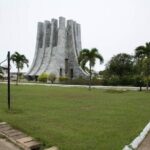
- Kwame Nkrumah Memorial Park: mausoleum plus a subterranean museum, designed with rhythm and contrast in mind
- Guide quality: from the names you hear most often (Makafui, Biney) and a professional driver like George
In This Review
- From DuBois to independence: why this Accra route makes sense
- Your local guide: what you gain from a real conversation
- W.E.B. DuBois Center: pan-African roots in a calm, personal setting
- Makola Market: 1924 market life and how to shop respectfully
- James Town Lighthouse: 28 metres of perspective over Jamestown
- National Museum of Ghana: objects that turn time into something you can see
- Kwame Nkrumah Memorial Park: mausoleum, subterranean museum, and 6 March 1957
- Price and value: what $80 buys you in Accra
- Timing, meeting hours, and how to plan your day
- Should you book the Accra City Tour?
- FAQ
- How long is the Accra City Tour?
- What does the tour cost?
- Is pickup offered?
- Is this tour private or shared?
- Which stops are included?
- Are tickets included for the stops?
- What are the tour’s operating hours?
- Can I bring a service animal?
- Is cancellation free?
From DuBois to independence: why this Accra route makes sense
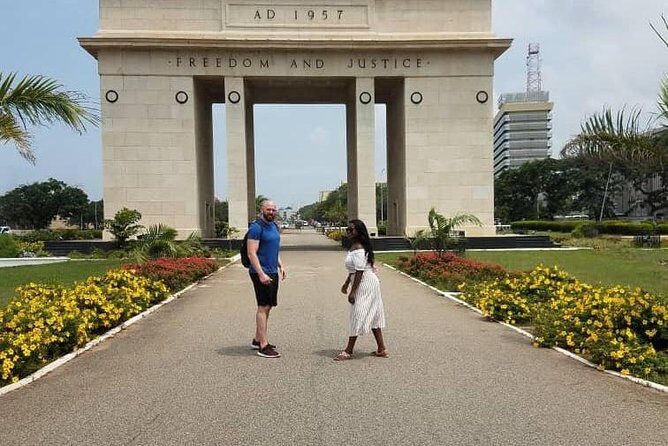
This Accra city tour works because it’s not a random grab-bag of landmarks. It’s arranged like a cause-and-effect lesson, starting with the Atlantic connections that helped shape pan-African thinking, then moving into the lived reality of Accra, and ending at the places tied to Ghana’s independence.
I like that you spend time where ideas are anchored in physical spaces. The W.E.B. DuBois Center isn’t just a sign you read from the sidewalk. And the Kwame Nkrumah Memorial Park isn’t just a big statue spot; it’s a whole site with a design approach that keeps you paying attention. When the day has that kind of structure, you come away with more than surface-level sightseeing.
The other practical win is pacing. The stops are timed (for example, 1 hour at the DuBois Center and James Town Lighthouse, 30 minutes at Makola Market, and about 2 hours at the Nkrumah Park). That makes it easier to plan your energy, especially if you’re trying to fit this into a longer Ghana itinerary.
Your local guide: what you gain from a real conversation
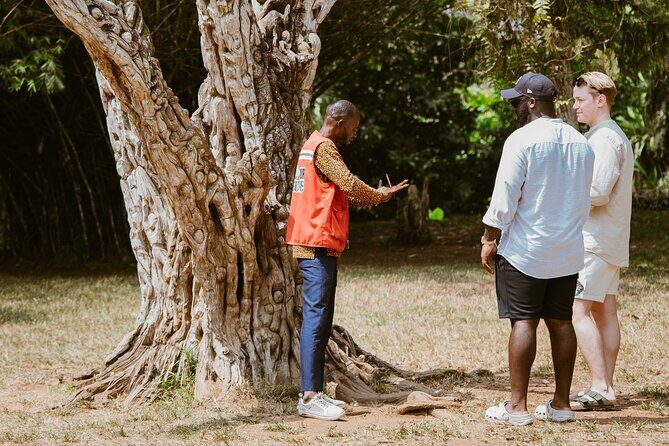
A huge part of the value here is the human element. You don’t just get someone reading facts. You get a trained Ghanaian guide who can explain what you’re looking at in plain language and then respond to your questions.
From what I’ve seen through the guide names that come up most often, the vibe is consistently professional and kind. Guides like Makafui and Biney are described as responsive to group movement and careful when someone needs extra attention. That matters because the day includes places where you may want time to look closely, take photos, or ask what something means.
If you’re the type who asks why a building was placed where it was, or what a museum object represents in local culture, you’ll get a lot out of this format. If you prefer silent sightseeing, just know that the tour is built around talk and context.
You can also read our reviews of more city tours in Accra

W.E.B. DuBois Center: pan-African roots in a calm, personal setting
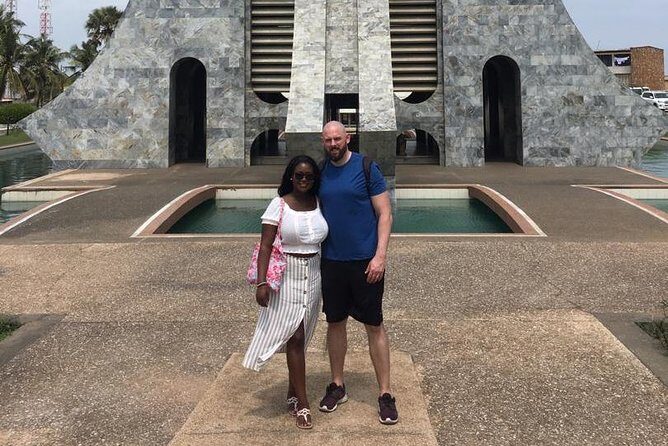
Your day starts with the W.E.B. DuBois Center, and it’s one of those places where the setting supports the message. You get to experience the history of the Gold Coast, the Afro-American story, and the transatlantic slave trade through an on-site experience.
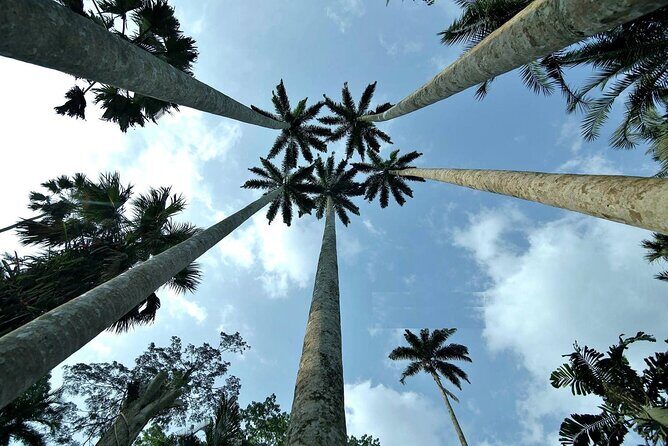
What makes this stop stand out is the combination of outdoor space and personal archives. Behind the home is an open-air theatre in a pastoral setting. That detail matters because it helps you understand why DuBois found peace there late in life, not just why he’s famous in textbooks.
Inside, you also find the museum library and seminar room, which holds Dr. DuBois’s personal library and collections of works. For me, that’s the difference between hearing about a thinker and seeing the traces of his life and intellectual work. Even if you don’t consider yourself a history person, you’ll likely come away with a sharper sense of how pan-African ideas travelled and took shape.
Practical tip: plan to slow down here. The hour you’re given is enough to see the core experience, but it’s not a place you’ll want to sprint through.
Makola Market: 1924 market life and how to shop respectfully
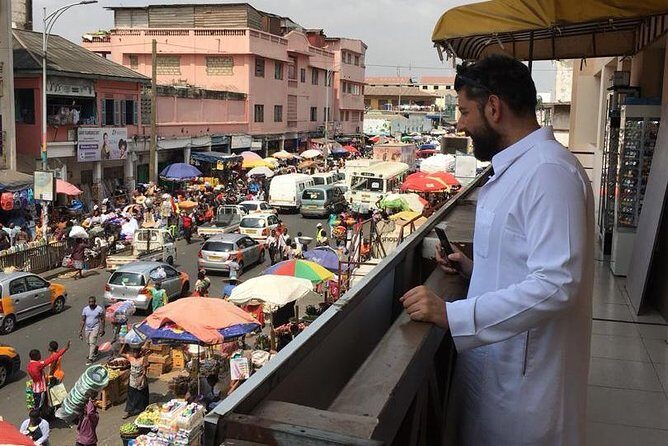
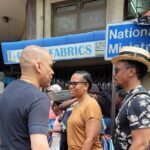
After the museum start, you shift gears to Makola Market, a shopping district in central Accra that dates to construction in 1924. This stop is only about 30 minutes, but it’s designed for interaction, not just a quick glance.
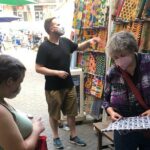
The idea is simple: walk and talk with the traders. That’s where you learn what’s important locally—what people sell, what daily trade looks like, and how to move through a market space without turning it into a drive-by photo shoot.
Because the tour includes this short market window, you get a taste of Accra’s everyday rhythm without losing the day’s historical focus. If you’re hoping to do heavy shopping, though, 30 minutes may feel short. Think of it as a chance to browse, ask questions, and pick up something small if it catches your eye.
Practical tip: bring small cash for any purchases, and keep your camera use polite. Ask first if you’re unsure. Market people notice, and good manners go a long way.
James Town Lighthouse: 28 metres of perspective over Jamestown
Next comes the James Town Lighthouse, a 28-metre structure originally built in the 1930s. This is one of the best stops for getting your bearings in Accra because it offers a broad overview of the Jamestown community and the city at large.
An hour here is mostly about the view and the feeling of place. Jamestown is known for its character, and having a strong vantage point helps you connect what you’ve already learned to what you’re seeing on the ground. In a tour that mixes history and daily life, this stop acts like a visual reset button.
The practical consideration: if you’re sensitive to heat or glare, you’ll want good sun protection and a bit of water planning. A lighthouse viewpoint can be exposed, and the tour timing means you may get fewer breaks than you’d like.
National Museum of Ghana: objects that turn time into something you can see
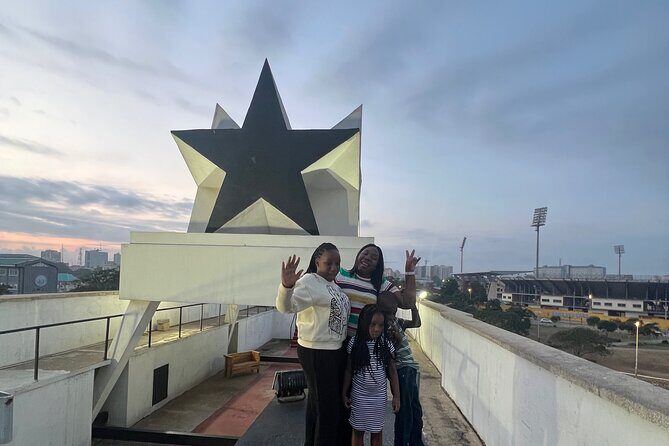
The National Museum of Ghana is the anchor museum stop of the day. It’s described as a treasure trove of objects across several domains: archaeology, ethnography, and fine art. The payoff is the time span—starting from the stone age period and moving through to the more recent historical past.
This is where the tour earns its educational weight. It’s one thing to hear about Ghana’s layered heritage. It’s another to see how different categories of objects represent different eras and ways of life. Archaeology helps you understand earlier human settlement and culture. Ethnography gives you cultural context and meaning. Fine art rounds it out by showing expression and creativity through time.
You have about an hour here with admission included. That’s enough to focus on highlights and key galleries, but it’s not enough to become a museum expert. So go with a mindset of seeing breadth first, and then choosing what interests you most for a deeper look.
Practical tip: when you see an object category that grabs you, spend a few extra minutes there. Museums reward your attention more than rushing.
You can also read our reviews of more historical tours in Accra


Kwame Nkrumah Memorial Park: mausoleum, subterranean museum, and 6 March 1957

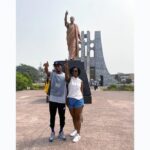
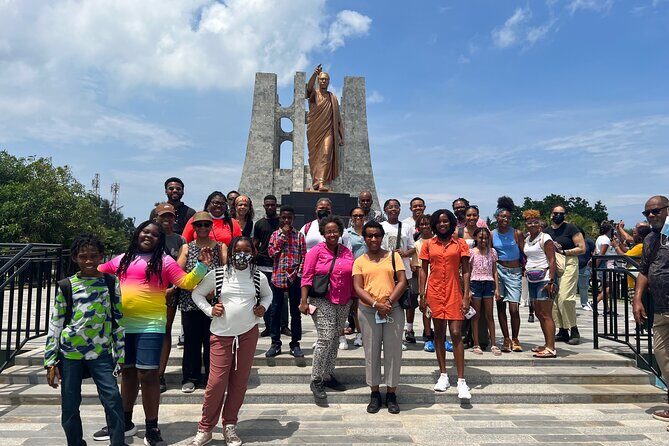
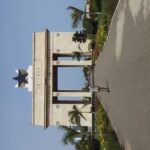
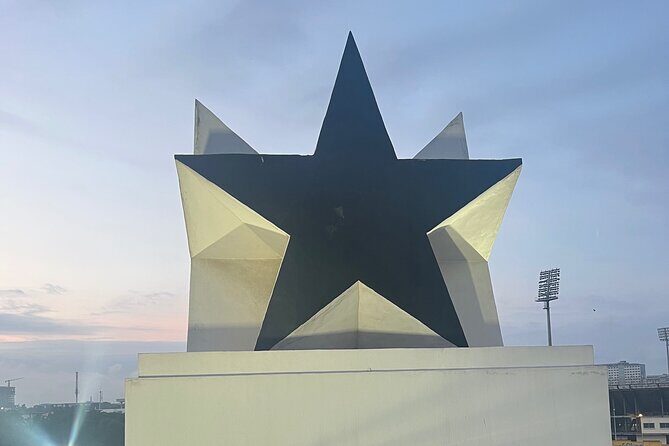
The tour finishes at the Kwame Nkrumah Memorial Park, also called the KNMP. This is the last resting place of Ghana’s first president, Osagyefo Dr. Kwame Nkrumah, and the site is tied to the liberation campaign for Ghana—at the time the Gold Coast—culminating on 6 March 1957.
The layout is worth paying attention to. The mausoleum provides the front focus, while the museum is subterranean and doesn’t compete for attention with the mausoleum itself. That design choice shapes how you experience the day: you start with the symbolic presence, then you move into the quieter, deeper museum space.
Design-wise, the principles are described as rhythm, contrast, and harmony. Even if you never heard those words before, you’ll likely feel them in how the structures guide your movement and attention. The museum also houses personal effects and publications connected to Nkrumah.
If you’re someone who gets moved by political history, this stop can land emotionally. In the same way the DuBois Center’s open-air theatre connects place to life, the KNMP connects place to a turning point in national history. Expect some meaning here, not just visuals.
Practical tip: save your best questions for this last stop. It’s the moment when the themes from earlier in the day tend to click.
Price and value: what $80 buys you in Accra
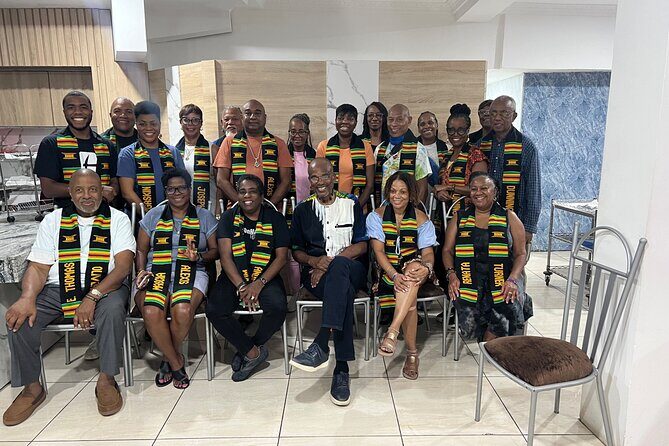
At $80 per person, this tour is priced like a full guided day with admissions rather than a bare-bones walking route. You’re paying for a trained guide, pickup offered, and a schedule that includes museum and memorial sites with tickets included at most stops.
Here’s the value math in plain terms:
- Several major sites include admission tickets, including the W.E.B. DuBois Center, James Town Lighthouse, National Museum of Ghana, and the Kwame Nkrumah Memorial Park.
- Makola Market is free to enter, so your cost isn’t inflated by ticket fees there.
- You get a private setup for your group, which usually means the guide can respond more flexibly to your pacing and interests.
Duration ranges from about 5 to 9 hours. That flexibility can be helpful if your group prefers a slower, more question-heavy pace or if your timing needs shift. If you’re trying to pack Accra into a short window, you’ll likely want to treat this as your main history-and-culture block rather than one stop among many.
In short: if you want a guide-led story connecting major Accra sites, this price looks fair for what’s included. If you only want photos and minimal explanation, you might feel it’s more structured than you expected.
Timing, meeting hours, and how to plan your day
The tour runs within a window of 7:00 AM to 5:00 PM, Monday through Sunday. That matters because it sets your daylight frame for visiting outdoor viewpoints like the lighthouse and open-air spaces like the DuBois theatre area.
Most travelers can participate, and service animals are allowed. If you prefer using public transport at any point, the experience is described as near public transportation, so you’re not locked into a single method.
Because pickup is offered, you can keep your morning simple. Just make sure you plan for a day that may run longer than a strict 5-hour half-day, since the total time range is up to 9 hours depending on how your group moves through each stop.
Should you book the Accra City Tour?
Book it if you want a guided Accra day that links history to places you can actually see—especially if you care about the pan-African story and Ghana’s independence era and you like museums that explain context, not just artifacts.
I’d also lean toward booking if you value good communication from the people running the day. Names like Makafui and Biney come up for a reason: guides are described as professional, courteous, and attentive, with smooth movement between destinations. The driver support also matters when you’re working across multiple parts of the city.
Don’t book it if you only want casual sightseeing with minimal talking, or if you know you’ll be unhappy spending time inside museums and memorial sites. This tour is built to teach as well as show.
If you’re unsure, decide based on this: do you want Accra to make sense as a story? If yes, this tour is a strong fit.
FAQ
How long is the Accra City Tour?
The tour lasts about 5 to 9 hours, depending on pacing and how your group moves through each stop.
What does the tour cost?
The price is $80 per person.
Is pickup offered?
Yes, pickup is offered.
Is this tour private or shared?
It’s a private tour/activity, so only your group participates.
Which stops are included?
The tour includes the W.E.B. DuBois Center, Makola Market, James Town Lighthouse, the National Museum of Ghana, and the Kwame Nkrumah Memorial Park.
Are tickets included for the stops?
Tickets are included for the W.E.B. DuBois Center, James Town Lighthouse, the National Museum of Ghana, and the Kwame Nkrumah Memorial Park. Makola Market is free.
What are the tour’s operating hours?
It runs from 7:00 AM to 5:00 PM, Monday through Sunday.
Can I bring a service animal?
Yes, service animals are allowed.
Is cancellation free?
You can cancel for free up to 24 hours in advance for a full refund. If you cancel less than 24 hours before the start time, the amount you paid will not be refunded.