REVIEW · ACCRA
The Best Of Cape Coast Tour
Book on Viator →Operated by Pridor Plus Tours · Bookable on Viator
A day like this changes how you look at Ghana. You’ll pair Cape Coast Castle and Elmina Castle with the adrenaline break of Kakum National Park’s hanging canopy walkway, all guided so you’re not just reading plaques.
I like that the day is built around guided interpretation at the two major slave-fort sites, with time to actually take in key spaces like the dungeons and the door of no return. I also like the balance of emotion plus action at Kakum National Park, where you cross seven suspended bridges for a real sense of achievement.
One thing to consider: it’s a long, full-day outing (about 10 to 13 hours) that asks for solid walking and a strong stomach for both stairs and swinging bridges, and lunch isn’t included.
In This Review
- Key highlights worth aiming for
- A full day route: Cape Coast Castle to Kakum to Elmina
- Cape Coast Castle: dungeons and the door of no return
- Kakum National Park canopy walkway: seven bridges and real support
- Elmina Castle: Portuguese roots and the oldest European walls
- Transportation, timing, and why the day is built this way
- Price and value: what you’re paying for
- The guide factor: Kelvin and Stephen in the real world
- What to bring and how to prepare
- Who this tour fits best (and who should think twice)
- Should you book the Best Of Cape Coast Tour?
- FAQ
- FAQ
- How long is the Best Of Cape Coast Tour?
- Is lunch included in the price?
- What is included in the tour price?
- Does the tour offer pickup?
- Which major sites does the tour visit?
- Is this a private tour?
- What is the cancellation policy?
Key highlights worth aiming for
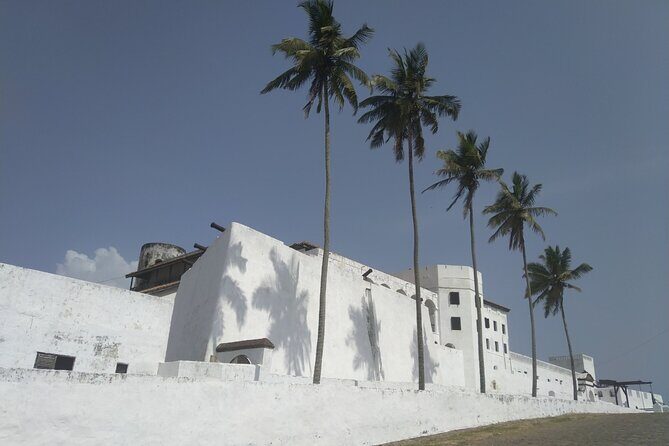
- Cape Coast Castle with a focus on the dungeons and the door of no return
- Kakum canopy walkway using seven suspended bridges for an adrenaline hit
- Elmina Castle tour of Portuguese-built fort spaces from 1482
- Entrance fees and transportation handled for you
- Strong guide support on the bridges and in the castle explanations
A full day route: Cape Coast Castle to Kakum to Elmina
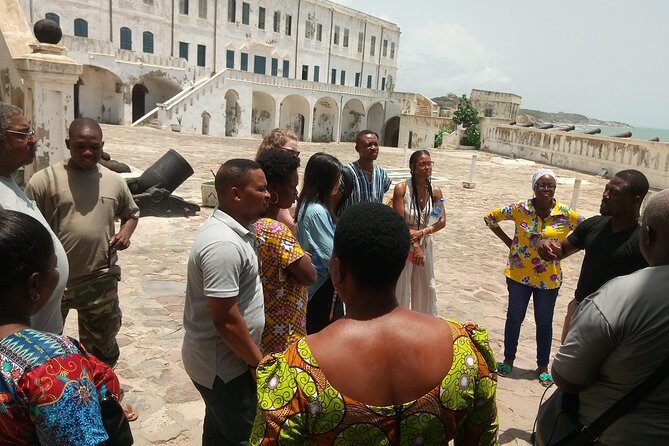
This is the kind of day trip that feels tightly planned in the best way. You’re not bouncing around town on your own schedule. You’re picked up, driven in an air-conditioned vehicle, and moved between three headline stops, with entrance fees already covered so you spend time seeing instead of negotiating.
Expect a full commitment day. You’ll start early, and the rhythm is steady: castle immersion, a forest break with the famous canopy walkway, then another castle experience that carries heavy meaning. It’s emotionally intense, yes, but the structure helps. You get context while you walk, and you get a change of pace at Kakum rather than spending the entire day only in stone and shadows.
Because this is private for your group, you’re less likely to get shuffled into a chaotic crowd flow. Still, it’s a group-style day trip in timing and movement—plan on comfortable shoes and a willingness to walk.
You can also read our reviews of more tours and experiences in Accra.


Cape Coast Castle: dungeons and the door of no return
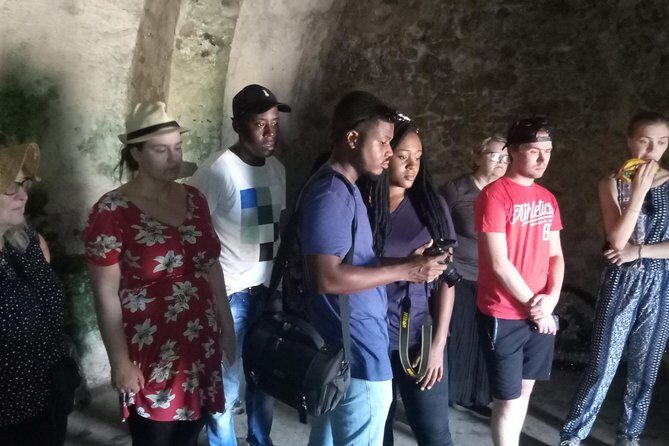
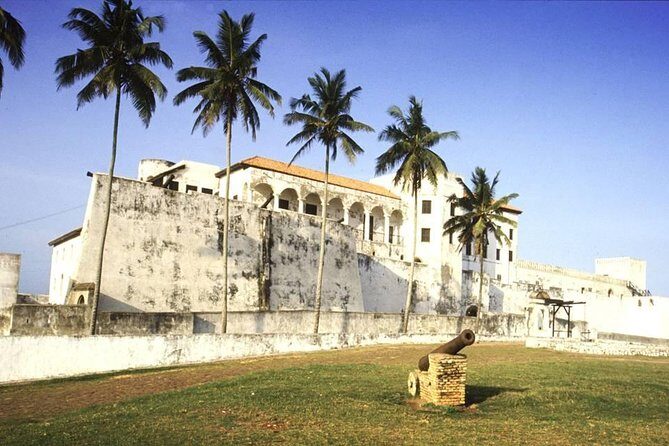
Cape Coast Castle is the emotional anchor of the day. Your guided time here is built for understanding what the site actually was: a place holding enslaved Africans in dark underground dungeons for up to three months before transfers across the Atlantic. You’re shown the spaces where captives were kept, then guided toward key symbolic areas like the door of no return.
What I like about this setup is that it doesn’t rush through the hard parts. The tour includes a dedicated chunk of time—about two hours—so you can slow down. A guided walk matters a lot at Cape Coast because the layout can feel confusing if you’re going only by signs. The guide helps you connect what you’re seeing with what it meant.
Another practical point: the dungeon areas can feel cooler and more enclosed. If you’re the type who likes to photograph everything, you’ll still want to keep your hands free for navigating steps and openings. Comfortable, closed-toe shoes help here, especially if the ground is uneven.
This is also where you’ll feel the emotional weight of the day most strongly. If you prefer lighter, entertainment-focused sightseeing, this stop may feel like too much. But if you want a Ghana experience that’s honest and direct, this is one of the most important places you’ll visit.
Kakum National Park canopy walkway: seven bridges and real support
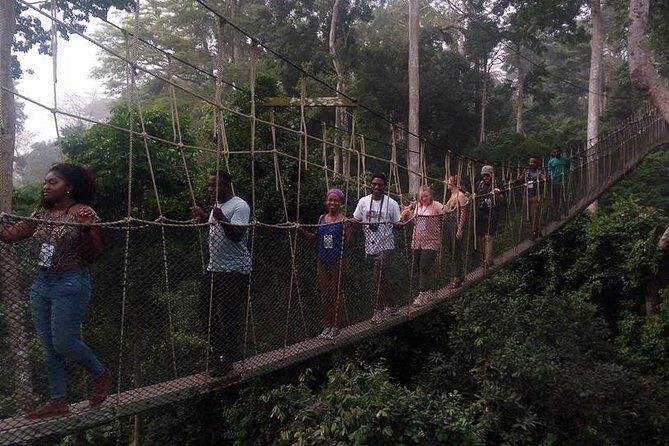
Then comes the breather: Kakum National Park. You get about an hour here, and it’s timed to be energizing without eating the whole day. The star attraction is the canopy walkway described as the only canopy walkway in Africa, made up of seven bridges suspended on trees.
This is where the tone shifts from stone fort to living forest. You’ll hike up to the walkway and cross it. The bridges can feel intimidating, especially if you don’t love heights. One of the best pieces of advice from people who’ve done this route: expect that it might feel scary at first, and rely on the support and guidance from your guide as you go.
What makes Kakum worth it, even if you’ve seen treetop walks elsewhere, is the sheer sense of physical commitment. You’re balancing, looking down, and paying attention to where you place your feet. That body-level experience tends to stick with people long after the photos fade.
Pack a practical mindset: keep your pace steady, avoid rushing, and don’t wear anything that makes you grip too tightly out of fear. If you go in nervous, you’ll still get through it—just don’t aim to sprint across. The goal is safe steps and the view from the canopy.
Elmina Castle: Portuguese roots and the oldest European walls
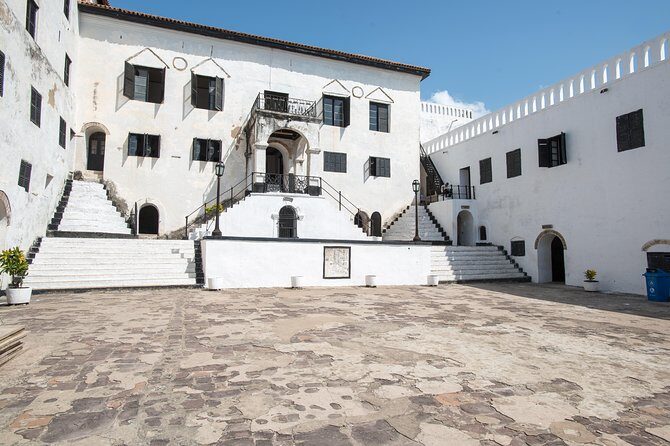
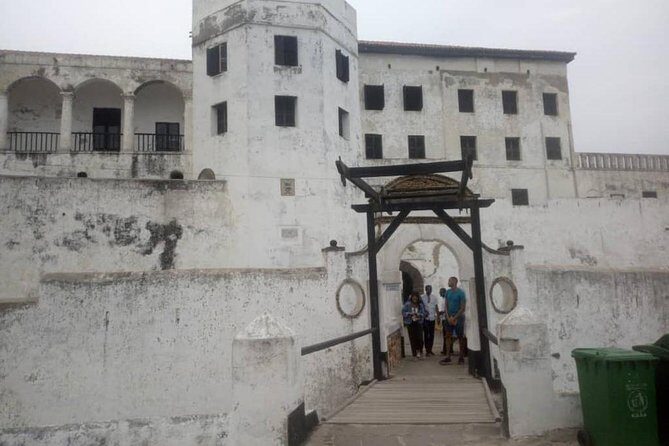
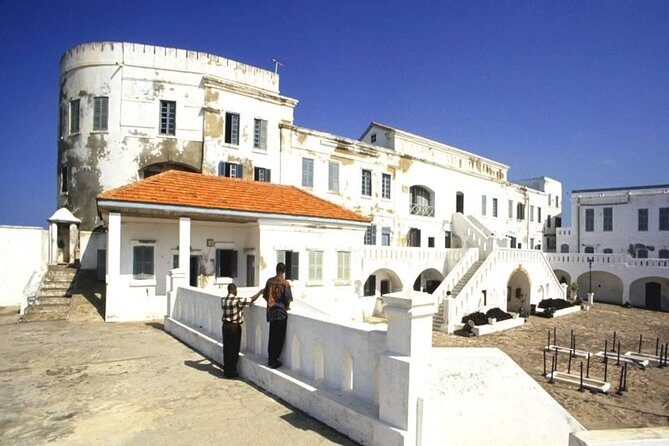
Elmina Castle adds another layer, and it’s different enough from Cape Coast to keep the day from feeling repetitive. Built by the Portuguese in 1482, the fort is also believed to have been visited by Christopher Columbus en route to the New Worlds. It’s described as the largest slave fort in the world, and the tour also highlights the site as the oldest European building in sub-Sahara Africa.
Your guided visit here takes about two hours, with time to explore sections of the bastion. Like Cape Coast, Elmina is a place where the story is hard, but the guide’s job is to connect the architecture to what happened inside it. You’ll get a walk-through that’s meant to help you understand the structure as a system—fortifications, holding areas, and the spaces tied to the transatlantic slave trade.
I appreciate that Elmina is not treated as a casual stop. The tour keeps you on a path, with explanations that help the site make sense rather than just sit in front of you as old walls. If you’re sensitive to heavy topics, take breaks inside the site if you need them. Your body will tell you when it’s too much.
Also, remember you’ll likely be tired by this point in the day. If your legs are already feeling it from earlier castle steps and the climb to Kakum, the Elmina portion is when you’ll feel that fatigue. Choose shoes you can walk in for hours, and keep water in mind even if the tour details don’t mention it—your comfort matters.
Transportation, timing, and why the day is built this way
The itinerary is designed for efficiency: about 10 to 13 hours from start to finish, with pickup offered. You’re using an air-conditioned vehicle, which is a real quality-of-life upgrade in Ghana heat, especially when you’re moving between locations.
Entrance fees are included. That matters more than it sounds. When fees are handled in advance, you avoid losing time at each ticket desk and you reduce the chance of turning your day into a checklist of small payments. You also don’t need to worry about the transport side as much since transportation is included, along with fuel surcharge and parking fees.
The day is also emotionally structured. You begin with Cape Coast’s dungeon story. You then get physical movement and open-air air at Kakum. Then you return to another major site at Elmina. That pacing helps. If the entire day were only castles, you’d likely go numb. If it were only nature, you’d miss the central Ghana story tied to this region.
One timing consideration: this is a long outing, and it can feel like a lot all at once. You’ll want to start the day rested, travel light, and keep your phone charged for the moments you really want to remember.



Price and value: what you’re paying for
At $242.31 per person, this tour isn’t the cheapest option you’ll find, but it’s also not in the luxury tier. In practical terms, the price covers the main things that usually add up on independent outings: guided tours at both forts, Kakum’s canopy walkway experience, and the transport between locations. Entrance fees are included, too.
Here’s the value logic that makes sense for most people:
- You’re paying for time—a full-day route that would be harder to arrange smoothly on your own.
- You’re paying for context—the guide helps you interpret sites that can otherwise feel confusing or flat.
- You’re paying for comfort and simplicity—air-conditioned vehicle and handled entrance fees.
The one clear cost gap is lunch, which isn’t included. So if you’re budgeting tightly, you should plan to buy lunch on your own. If you hate searching for food mid-day, bring a little extra cash or plan a simple snack strategy so the long day doesn’t wear you down.
If you’re traveling as a couple or a small group and want a private format, this price can feel especially fair. Private doesn’t always mean better in travel—but in this case, it can mean a smoother pace and less stress on the bridges and inside the forts.
The guide factor: Kelvin and Stephen in the real world
For me, the biggest reason to choose a guided day like this is how much it shapes your understanding. At both castles, you’re dealing with sites that are emotionally difficult and historically specific. Without a guide, you can easily end up staring at walls and trying to piece together the meaning alone.
People associated with the operation have praised guides by name—Kelvin for keeping guests comfortable, safe, and well-informed, and Stephen for being very keen on a wide range of subjects. That’s the kind of feedback that matters because it points to what you’ll actually feel during the day: reassurance, clarity, and someone who can answer the questions that pop up when you’re standing where history happened.
On the Kakum walkway, that support is also practical. The bridges can feel scary, but having guidance on timing and safe movement makes the experience doable rather than stressful. Good guiding turns a fear moment into a manageable challenge.
If you care about learning more than just taking photos, pick this kind of tour. The castles are where guidance pays off the most.
What to bring and how to prepare

Comfort is not optional on a day like this. The tour description calls for a strong physical fitness level, and the pacing backs that up. You’ll walk through castle areas, climb up toward the canopy walkway, and cross seven suspended bridges. Even if you’re fit, you’ll still feel it in your legs by the end.
Bring:
- Comfortable, closed-toe shoes for uneven and stepped areas
- Light layers you can handle if indoor spaces feel cooler
- A positive mindset for emotional content at both castles
If you get nervous about heights, it helps to know that the walkway provides support and guidance. Don’t expect it to feel totally effortless. Instead, treat it like a controlled challenge: slow steps, steady breathing, and follow your guide’s instructions.
And since lunch isn’t included, plan your food strategy. A long day can go sideways if you wait too long to eat. Even a simple snack during the day can make the difference between enjoying Kakum and feeling wiped out.
Who this tour fits best (and who should think twice)
I’d say this is best for people who want a meaningful, well-structured day and don’t mind the emotional weight of the slave-fort sites. If you want a deeper understanding of Cape Coast and Elmina beyond surface facts, the guided format is a strong match.
It’s also a good fit if you like mixing viewpoints—history and nature in one day. Kakum gives you a physical, outdoors break that helps the day feel balanced, not one-note.
You might want to think twice if:
- You’re not comfortable with heights or swinging bridges
- You’re looking for a short, relaxed sightseeing day
- You get overwhelmed by heavy historical topics
Also, if you’re traveling with mobility concerns, the fact that you’re asked for strong physical fitness should be a serious consideration. The tour doesn’t advertise step-free routes, so plan based on your own stamina and comfort.
Should you book the Best Of Cape Coast Tour?
If your goal is a one-day highlights route that actually teaches you what you’re seeing, I think this is a solid choice. You get the heavy-hitting sites of Cape Coast Castle and Elmina Castle, plus the refreshing physical challenge of Kakum’s canopy walkway. Entrance fees and transport are included, which reduces stress and keeps the day moving.
Book it if you’re prepared for a long, full itinerary, and if you can handle emotionally difficult stops with respect. Skip it if you want light entertainment or you know you won’t do well with heights and sustained walking.
FAQ
FAQ
How long is the Best Of Cape Coast Tour?
The tour runs about 10 to 13 hours, depending on the day’s timing.
Is lunch included in the price?
No. Lunch isn’t included.
What is included in the tour price?
Air-conditioned vehicle transport, fuel surcharge, parking fees, guided tours of the castles, and admission fees for Cape Coast Castle, Kakum National Park (canopy walkway), and Elmina Castle are included.
Does the tour offer pickup?
Yes, pickup is offered.
Which major sites does the tour visit?
You’ll visit Cape Coast Castle, Kakum National Park (canopy walkway), and Elmina Castle.
Is this a private tour?
Yes. Only your group will participate.
What is the cancellation policy?
You can cancel for free up to 24 hours in advance of the experience start time for a full refund. If you cancel less than 24 hours before the start time, the amount you paid won’t be refunded.