Street life in Nima never slows down. This private tour in Nima, Accra is built for real, everyday scenes: a guided walk through the market, local homes, foods, and spices, plus migration stories from residents. I especially like that you get round-trip hotel transfers so you’re not wasting time figuring out the area, and that the guide can tailor the pacing for your group. One thing to consider: it’s a walking experience in a lively neighborhood, and it runs best with good weather.
There’s real value in the way the tour explains how people live here, not just what the streets look like. You’ll have time to interact at the market, including chatting with women selling food and spices, which makes the experience feel personal instead of like a photo stop. If you’re sensitive to crowded, fast-moving places, plan to go slow and keep your expectations human-scale.
In This Review
- Key Things I’d Focus On
- Why a Nima Market Slum Walk Feels More Like Accra
- Getting There: 8:00am Start, Pickup, and a Private Walking Pace
- Stop 1: Nima Market, Where Spices and Daily Life Meet
- What to watch for in the market stop
- What the Included Walking Time Really Gives You (2–3 Hours)
- How to Shop for Local Food and Spices Without Getting Rushed
- Respect, Safety, and Comfort in a Lively Neighborhood
- Price and What You’re Really Paying For ($135, Private and Transfer-Backed)
- Who This Tour Fits Best
- Should You Book the Nima Experience?
- FAQ
- How long is the Nima Experience in Accra?
- What time does the tour start?
- Does the tour include pickup from my hotel?
- Is this a private tour?
- What do we do at the market?
- Is the tour affected by weather?
Key Things I’d Focus On

- A private Nima walk, just for your group—you set the tone and pace.
- Hotel pickup and drop-off included, so you start the tour without hassle.
- Nima Market stop for foods, spices, and hands-on conversations.
- Local homes + migration stories, so you understand the neighborhood beyond stereotypes.
- Respectful market time, including opportunities to interact with vendors.
Why a Nima Market Slum Walk Feels More Like Accra
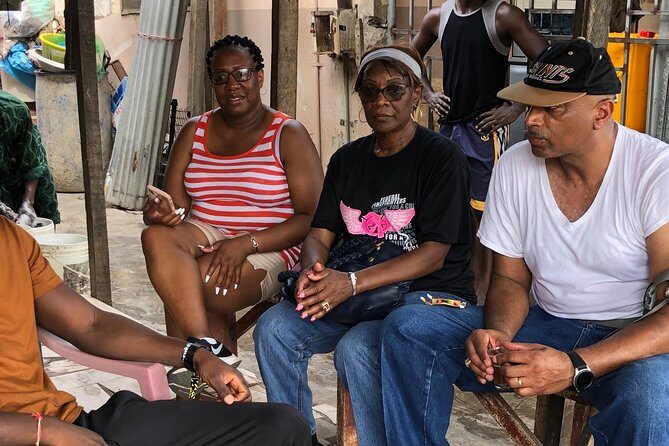
Accra is a city of movement, and Nima is where you see that movement up close. This tour is designed around the everyday rhythm: people working, trading, cooking, and raising families in tight spaces. Instead of treating Nima like a single viewpoint, you get multiple angles—market life, small home environments, and the human stories behind how families ended up here.
What I like most is that the tour leans practical. You’re not just told facts from a distance. You’re encouraged to look at what people eat and sell—especially spices—and to ask questions that connect goods to daily life. The market portion isn’t a performance. It’s the real place where people buy what they need.
There’s also something powerful about learning how migration shaped the community. The tour highlights that Nima brings together people from every tribe in Ghana, and you’ll hear how some residents moved into the area over time. That context helps you see the neighborhood as a living community rather than a label.
You can also read our reviews of more tours and experiences in Accra.


Getting There: 8:00am Start, Pickup, and a Private Walking Pace
The tour starts at 8:00am and lasts about 2 to 3 hours. That timing matters because you’re experiencing Nima with morning energy—active enough to feel alive, but early enough that you can still move comfortably on foot.
Transfers are part of the deal. You get round-trip transportation from your Accra hotel, which is a big quality-of-life benefit. It means you spend your energy on the neighborhood, not on route-planning. The experience also uses a mobile ticket, which is handy if you like everything set before you leave your room.
Because it’s private, your group stays together. That matters in a neighborhood like Nima, where walking routes can vary and conversations can take real time. A private format also makes it easier to ask questions at the right moments instead of rushing to match a fixed group schedule.
One more practical note: the tour is near public transportation, so you’re not totally dependent on the pickup alone. That’s useful if your hotel situation is a bit odd or if you’re meeting in a different part of Accra.
Stop 1: Nima Market, Where Spices and Daily Life Meet
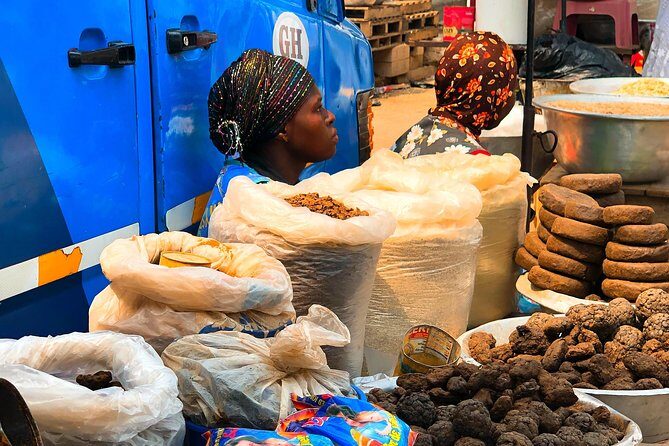
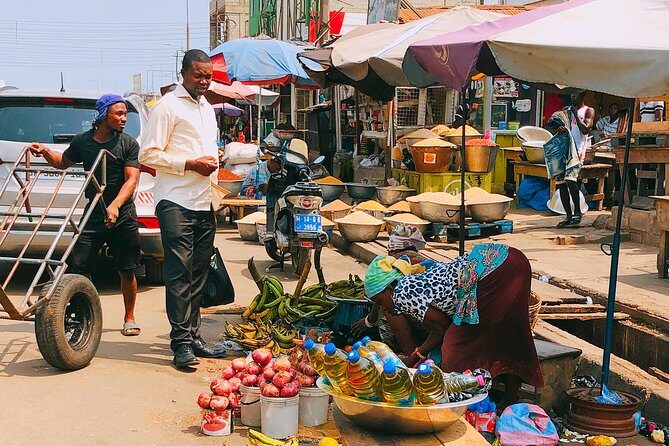
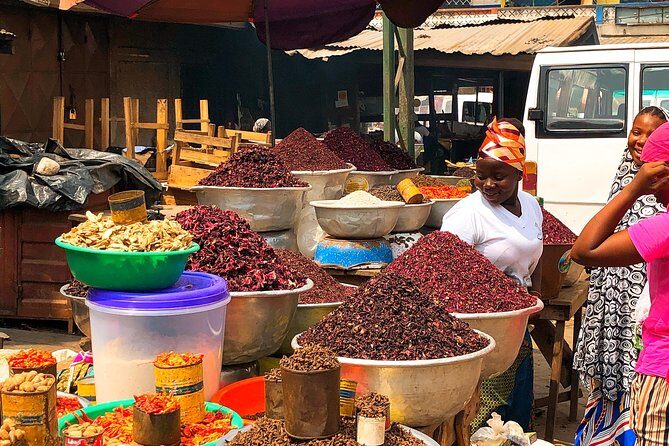
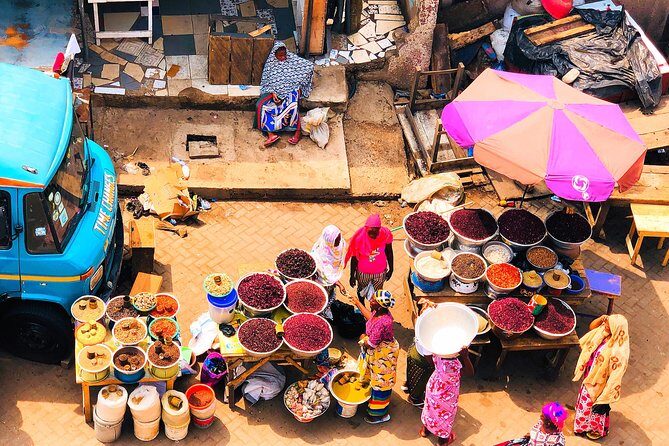
The heart of this tour is the Nima Market stop, and it’s not treated as a quick walk-through. You’ll spend time in the market area and you can expect to see and talk about local foods and spices. The tour also includes visiting local houses, so you’re not stuck in one type of space.
Here’s what the market experience brings to the table:
Foods and spices you can actually use
A market tour only feels worth it if it helps you understand what people buy and why. In Nima Market, you’ll be surrounded by ingredients and products used in everyday cooking. If you love food travel, this is where you’ll connect names to real items in real stalls. It’s also the kind of place where you can ask practical questions—what’s used for what, how people choose spices, and what tastes like home.
Time to interact with vendors
You’re encouraged to interact with local women at the market. That’s one of the best ways to learn. Vendors see travelers come and go, and the tone you set matters. If you ask curious, respectful questions, you’ll likely get answers that go beyond product details.
Stories that explain why the neighborhood looks the way it does
The tour is built around migration stories—how some residents came to Nima and why. Those stories help you connect the geography to people. Instead of viewing the neighborhood as a single snapshot, you understand it as the result of choices, family needs, and long-term community building.
A quick reality check on childcare and work
One of the most memorable kinds of moments in this experience comes from how daily life is described—like women working while caring for children. In feedback tied to the tour, guide Hassan is praised for explaining what childcare can look like here, including babies carried on mothers’ backs while they work. It’s not meant to be shocking. It’s meant to show how people structure family life under the same constraints you’d recognize anywhere else.
What to watch for in the market stop
A market moves fast. Stalls can be crowded and people may be juggling multiple tasks. If you’re visiting with a phone-heavy mindset, slow down. Look first, listen second, and ask third. Also, plan on spending money only if you genuinely want to buy food or spices—this isn’t a shopping trap, and the learning value is still strong even if you keep your wallet closed.
What the Included Walking Time Really Gives You (2–3 Hours)
Two to three hours sounds short, but it’s the right length for a neighborhood walk like this. You’re long enough to see market activity, connect with people, and hear stories that give the place meaning. You’re not so long that fatigue takes over or that the tour becomes more about endurance than understanding.
Walking also helps you notice the small details that buses and cars hide. You’ll get a sense of how people use space—how homes sit near markets, how goods are displayed, and how daily errands shape the streets. That’s the difference between seeing Nima and seeing Nima with context.
Because it’s a private tour, your guide can adjust the flow. If a conversation runs long, you don’t have to cut it off to stay on schedule with strangers.

How to Shop for Local Food and Spices Without Getting Rushed
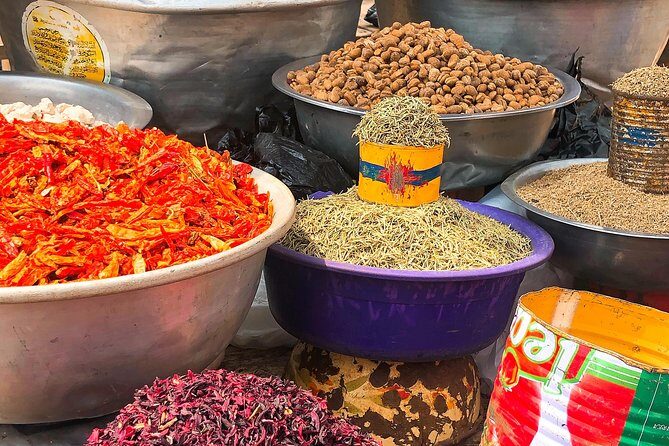
This tour includes time for markets, and the best part is you can purchase local food and spices if you want. Here’s how I’d handle it so you feel comfortable and not pressured:
- Treat purchases like a conversation. Ask what something is used for and how it’s commonly prepared.
- Start with small buys. If you’re unsure, try a small amount rather than committing to a full bag.
- Be clear about what you want. If you want spices for cooking, say that. If you just want snacks, keep it simple.
Also, keep in mind that markets are built for locals. You might not always get a clean, tourist-friendly explanation of every product. That’s normal. Your job is to be patient and respectful while you learn. A guide helps a lot here, because they can translate context into something you can use.
If you end up buying spices, think about how you’ll carry them back to your hotel—especially if you’re also packing other Ghana souvenirs. A small, well-contained purchase is usually easiest.
Respect, Safety, and Comfort in a Lively Neighborhood
Nima is described as lively, and that’s exactly how it may feel on the ground: people going about their business all the time. That energy is part of the attraction, but it also means you’ll want to come with the right mindset.
A few comfort tips:
- Wear shoes you can walk in for a couple of hours.
- Bring sun protection, especially if the morning is bright.
- Keep your camera use natural. If you’re photographing people, do it with permission and keep it brief.
On the safety side, the tour includes hotel transfers and a guided route. That’s a practical advantage in any neighborhood. Still, the same common-sense rules apply: stay aware, don’t wander off, and follow your guide’s lead.
One more key consideration: the experience requires good weather. That doesn’t mean it’s only sunny days, but it does mean you should plan for the possibility of rescheduling if conditions are poor.
Price and What You’re Really Paying For ($135, Private and Transfer-Backed)
At $135 per person for a 2–3 hour private tour, this isn’t a budget-only option. But the value is strong if you care about access and context.
Here’s what that price is buying you:
- Private format: your group only, not a large mixed crowd.
- Round-trip transfers from your Accra hotel: that convenience adds real value in time and effort.
- Market-focused time: foods, spices, and local homes are included in the walk.
- An admission ticket for the market portion.
- Group discounts may apply, which can make it more reasonable if you’re traveling with companions.
If you’re traveling solo, private tours can feel pricey. But if you want a guided, respectful look at Nima Market and the neighborhood stories behind it, this is the kind of structured experience that often costs more precisely because it’s private and transfer-supported.
Also, the experience is rated 4.7 from 6 ratings, which suggests people who book it tend to leave with a strong impression—especially about the guide experience and the feeling of authenticity.
Who This Tour Fits Best
This is a great fit if you want a hands-on, human-scale view of Accra. It works especially well for you if:
- you love street-level food and spice shopping,
- you prefer guided context over checklist sightseeing,
- you enjoy conversation and learning from locals.
It’s less ideal if you dislike walking, get overwhelmed in busy public spaces, or you’re only looking for scenic highlights. This tour is about people and daily life—so your expectations should match that.
Should You Book the Nima Experience?
I think this is a strong choice if you want Accra beyond the usual postcard stops. The private setup and hotel transfers are a real comfort upgrade, and the focus on Nima Market foods and spices—paired with migration stories—gives the experience meaning.
Before you book, double-check your comfort with a lively walking route and plan around the weather requirement. If that fits your travel style, this is one of those tours that can change how you understand a city in a short time.
FAQ
How long is the Nima Experience in Accra?
It’s about 2 to 3 hours.
What time does the tour start?
The start time is 8:00am.
Does the tour include pickup from my hotel?
Yes. Round-trip transfers from your Accra hotel are included.
Is this a private tour?
Yes. It’s private, and only your group will participate.
What do we do at the market?
You’ll visit Nima Market, spend time around local foods and spices, and have the chance to interact during market time. The tour also includes visiting local houses and hearing migration stories.
Is the tour affected by weather?
Yes. The experience requires good weather. If it’s canceled due to poor weather, you’ll be offered a different date or a full refund.