REVIEW · ACCRA
A Taste of West Africa – Ghana Togo & Benin
Book on Viator →Operated by Blastours Ghana · Bookable on Viator
Eight days can feel like a whole continent. This trip stitches together Ghana, Togo, and Benin into one smooth route, with a private guide who helps you connect the dots between forts, markets, and living traditions. I especially like the mix of nature and culture—think a rainforest canopy walk plus hands-on stops in places tied to the enslaved trade and to voodoo-era beliefs. One thing to plan for: the schedule is active and the walking can add up, so you’ll want a moderate fitness level.
What also pulls its weight is the practical structure. You get accommodation and some meals included, plus admission tickets for several major sites. Still, it’s not a “sit back and coast” kind of trip—some experiences are short, and a couple of ticketed stops may not be included.
In This Review
- Key things I think you’ll care about
- Accra and James Town: getting your bearings fast
- Kakum National Park: rainforest on a long canopy bridge
- Cape Coast Castle: colonial forts as living reminders
- Elmina Castle and Fort St Jago: how the story keeps moving
- Accra’s markets and Black Star Square: culture you can touch
- Akodessewa Fetish Market: voodoo practices and local meanings
- Togoville and Lake travel on Lac Togo: shrines, cathedral, and museums
- Porto-Novo’s Great Mosque and Afro-Brazilian connections
- Lac Nokoue and Ganvie: the Venice-on-water feeling, minus the clichés
- Ouidah’s history museum and the final stroll in Osu
- What a private guide changes (beyond comfort)
- Price and what it costs in real value
- Who should book this West Africa mix?
- Should you book it?
- FAQ
- How long is the tour?
- Where does the tour start and end?
- Is this a private tour?
- Are admission tickets included?
- What’s included for meals and lodging?
- What’s the dress code?
- Is there free cancellation?
Key things I think you’ll care about
- Private guide, your pace: you’re not just herded between photos.
- Kakum’s canopy walkway: a real rainforest feel, not just a viewpoint.
- Cape Coast and Elmina: forts that still carry the weight of what happened here.
- Voodoo sites with context: markets and ceremonies are treated as culture, not a theme park.
- Lake Nokoue and Ganvie: boat time paired with a 500-year-old water-village story.
- Porto-Novo’s Afro-Brazilian connections: history that shows up in architecture and religious life.
Accra and James Town: getting your bearings fast
Most people start in Accra, and this tour begins the day you arrive—there’s a representative of Blastours who meets your group and handles a hotel transfer. If your timing works, you may also get a walking look at James Town and old Accra. That’s a smart opener because it helps you understand the city before you start heading toward the coast.
You’ll be dealing with normal street energy: shops, casual traffic flow, and the kind of daily life you’d normally only catch if you arrive early and walk a bit. A guide really matters here. Accra can be easy to enjoy, but it can also feel like random sights unless someone explains what you’re seeing and why.
If you’re wondering about comfort: the dress code is smart casual, and the tour is geared toward people with moderate physical fitness. That means you don’t need to be an athlete, but you should expect real walking in some spots and some “short stop, keep moving” days.
You can also read our reviews of more tours and experiences in Accra.

Kakum National Park: rainforest on a long canopy bridge
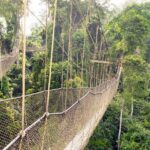
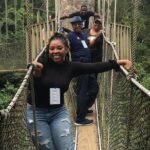
One of the best contrasts in the whole trip comes early: you go from city life into Kakum National Park to walk across the canopy walkway. This isn’t just a quick photo stop. You have options for how you experience it—either a 1-hour walk on forest trails or the longer canopy perspective on West Africa’s longest and highest canopy walkway.
Why this matters: when a trip hits Ghana’s forts and castles, it can start to feel heavy. Kakum gives you a reset. You get the soundscape of a rainforest and that slightly unreal feeling of walking above the forest floor. Even if you don’t do the trail option, being up in the canopy changes how you read the landscape.
Practical note: you’ll want comfortable shoes and a steady pace. The walkway is a specific kind of walking—short steps, height awareness, and patience with slow-moving moments. If that sounds stressful, you can still enjoy Kakum’s experience by keeping your plan steady and taking it one step at a time.
Cape Coast Castle: colonial forts as living reminders
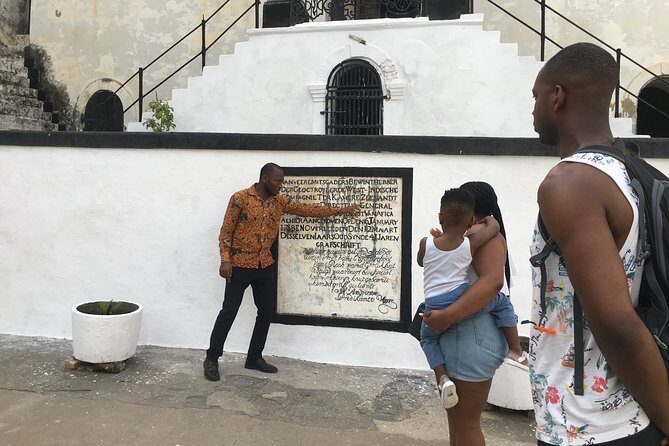
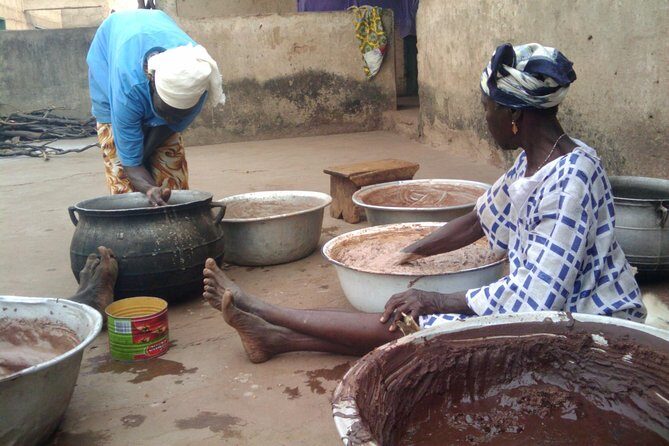
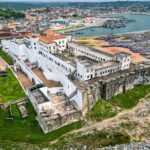
From the rainforest you move right into Cape Coast Castle, also known historically as Cabo Corso. You’ll spend about an hour, with a brief stop along the way at an oil palm plantation and a local factory to see work in progress. That matters because it places the forts in a wider economic picture, not just a single grim room.
Cape Coast Castle is a fortress with a layered European timeline—Swedes built it in 1653, Danes later held it, and the British ultimately conquered it. A good guide helps you understand how those changes affected the people and systems inside.
This is where you should expect emotional context. The castle is tied to the history of slavery, so you’ll want to treat it like a serious historical site, not a checklist item. If you prefer museums and memorials that explain clearly and quietly, this stop fits that mood.
Elmina Castle and Fort St Jago: how the story keeps moving
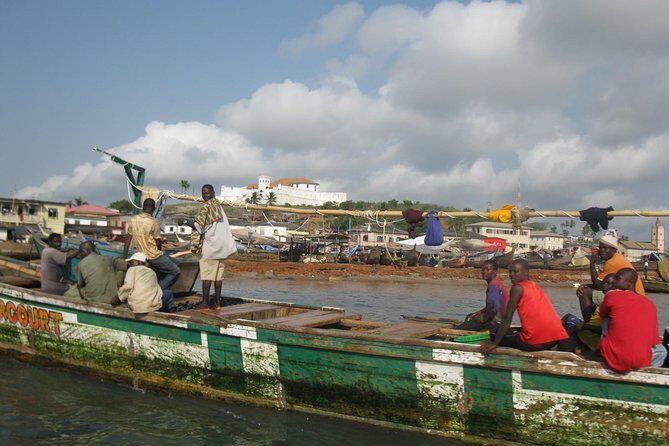
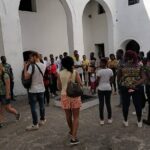
The next coastal day focuses on Elmina Castle, which is described as well preserved. It’s an hour-long stop built for understanding the history of slavery. Then you continue to Fort St Jago, part of an Elmina city tour where you learn about colonial past and also get a look at present-day lifestyle of the Fantis.
What I like about this pairing is that it refuses the “only tragedy” approach. Yes, Elmina Castle anchors the history. But Fort St Jago pushes you to see the living side of the region—how communities exist and function after the colonial era and after the slave trade era.
One practical consideration: short stays can feel rushed when the subject is heavy. I recommend slowing down mentally inside the fort. If a specific section or explanation grabs you, linger a moment before your group moves on. A private guide can help you do that without getting you stuck behind the rest of the schedule.
Accra’s markets and Black Star Square: culture you can touch
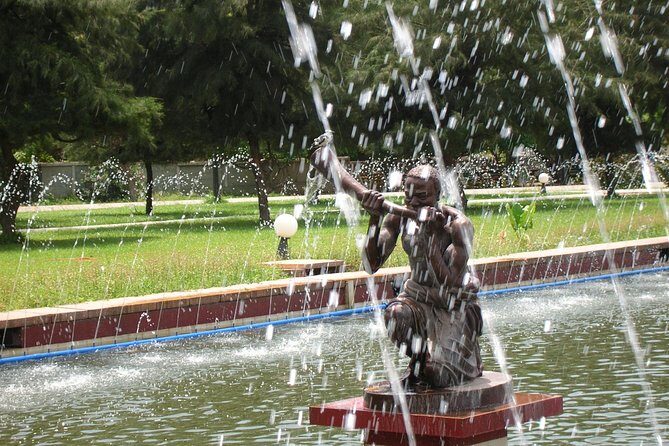
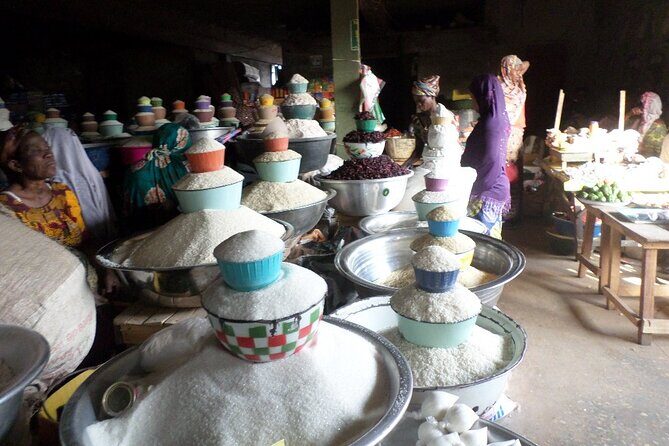
Back in Accra, you get a set of stops that feel more like local life than historical architecture. You’ll visit Nungua Local Market, where you can see fantasy coffin makers—coffins made to reflect a person’s affiliation. It’s a striking craft tradition, and it’s also a reminder that funerary culture can be artistic, specific, and deeply meaningful.
Then there’s the Artists Alliance Gallery, a contemporary space for Ghanaian painting and sculpture. This balances the older sites. You’re not only learning about what happened—you’re also looking at what people make now.
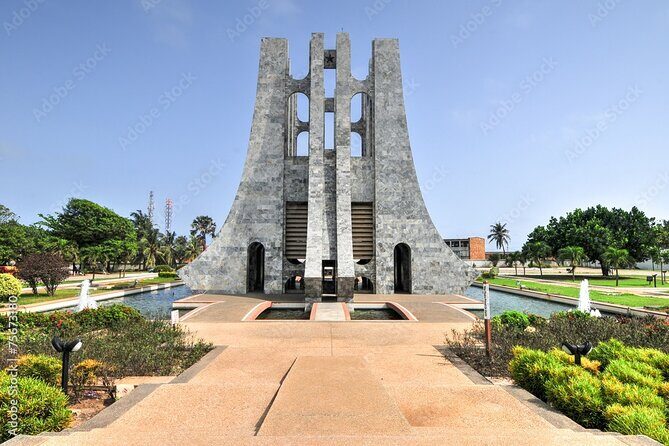
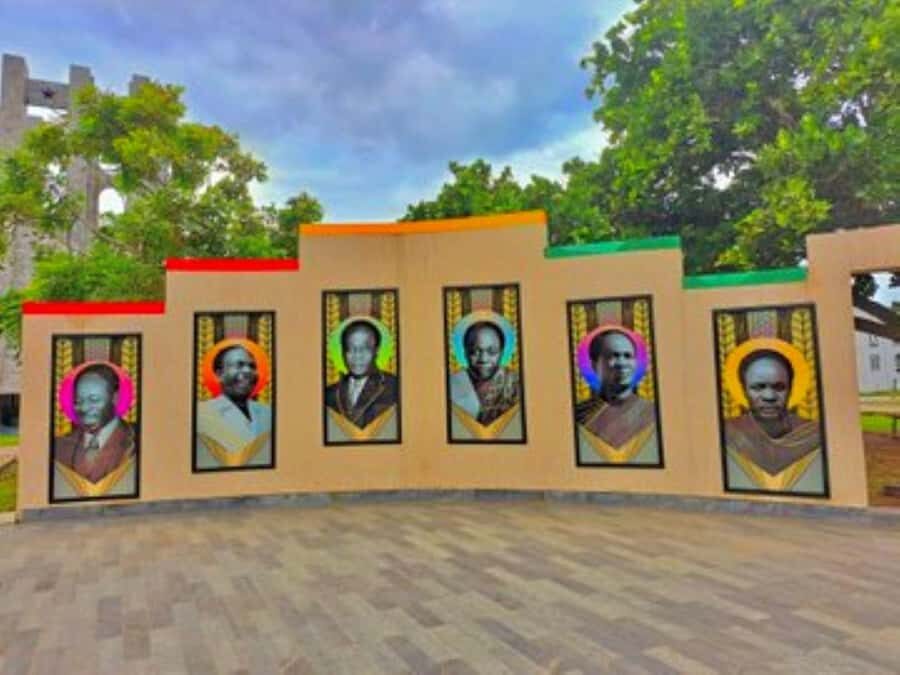
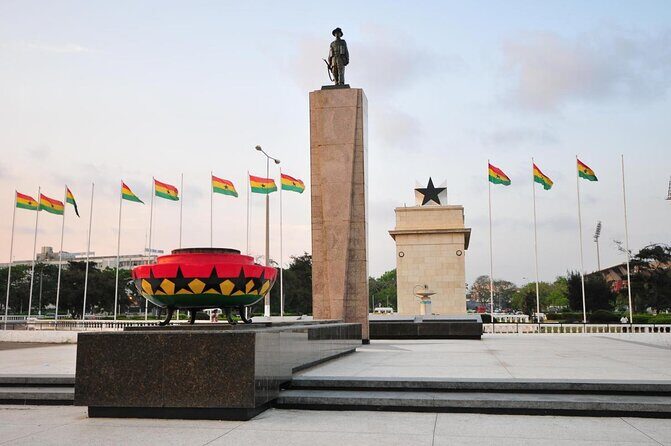
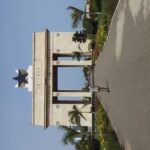
You’ll also spend time at Independence Square, known as Black Star Square, connected to Ghana’s independence declaration in 1957. It’s a quick stop (about 30 minutes), but it gives you a real sense of national identity and pride in a place made for public memory.
If you like shopping, the Center for National Culture is where you can stroll through Ghana’s largest craft market and browse for arts, crafts, and traditional clothes. Admission is listed as free for this stop, which makes it a budget-friendly way to stretch the day.

Akodessewa Fetish Market: voodoo practices and local meanings
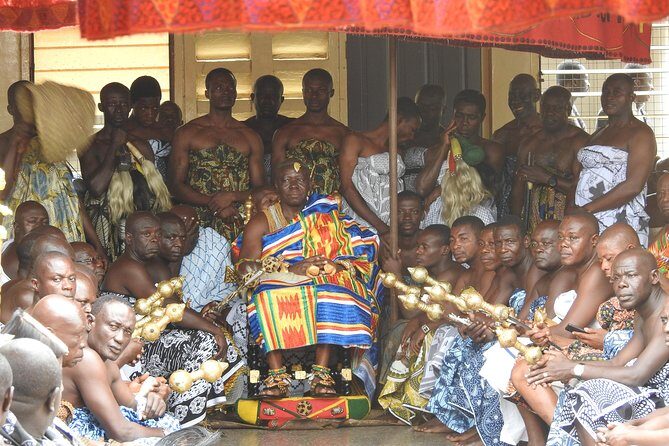
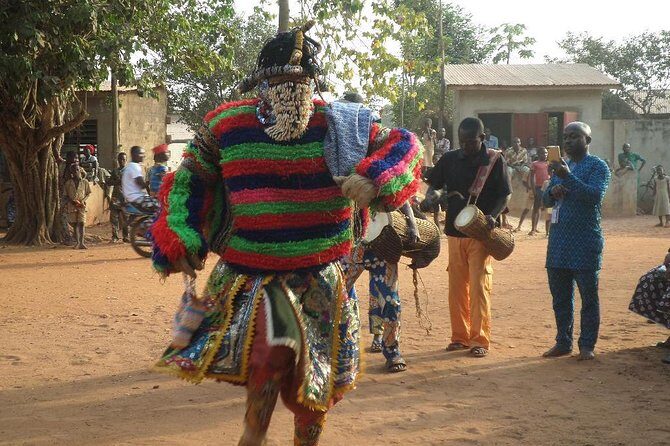
As you move toward Togo, you’ll stop at Grand Marche (a large open-air market) and then at Akodessewa Fetish Market, described as the main voodoo market where you can find magic remedies and local voodoo charms.
Two things to keep in mind. First, this is cultural and spiritual practice, not a staged performance. Second, the stop’s admission ticket is listed as not included, so you’ll want to plan cash or card depending on how the site handles payments on the day.
If this subject makes you nervous, that’s normal. The best way to get comfortable is to let your guide set the tone—ask what each item is used for and how people explain the tradition. When you get clear explanations, the market becomes more than a photo stop; it becomes an ethnographic moment.
Togoville and Lake travel on Lac Togo: shrines, cathedral, and museums
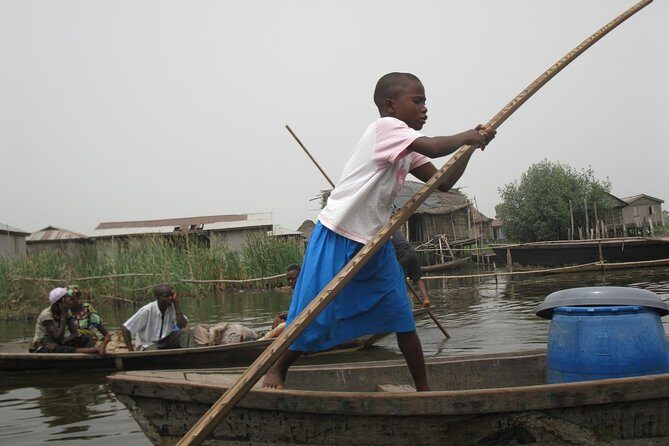
Next comes Lac Togo and the boat ride to Togoville (about 2 hours total). This section is about place-based heritage. You’ll visit shrines, an ancient German Cathedral, and a traditional museum connected to the King of Togoville.
Why a boat ride helps: it slows you down. You’re traveling on water, so the day feels less like “drive, stop, photo, drive.” It also sets you up to understand how lake communities think about the environment, safety, and tradition.
Timing matters here. Boat rides depend on local conditions, so it’s a good idea to stay flexible and keep your schedule calm. Bring a light layer, since open-air water travel can shift the temperature quickly.
Porto-Novo’s Great Mosque and Afro-Brazilian connections

In Benin, the trip leans hard into religious history and cultural return stories. You’ll visit the Great Mosque of Porto-Novo, where Afro-Brazilians settled after emancipation in Brazil. This is the kind of historical thread that can be easy to miss if you travel casually.
The stop also includes the vibrant market and the Ethnographic museum, plus the Grand Mosque’s background as a Brazilian-style church building, the Da Silva Museum, and the 300-year-old Palace of King Toffa. You’re not just seeing one building; you’re tracing a web of movement—people returning, cultures mixing, and religious architecture carrying that memory forward.
If you care about design and symbolism, you’ll likely enjoy the religious architecture details and the way markets and museums sit right in the middle of daily life. It can be a long stop (listed around 2 hours), so wear shoes that won’t punish you after standing and walking.
Lac Nokoue and Ganvie: the Venice-on-water feeling, minus the clichés
Now for the signature water experience: Lac Nokoue and boat time to Ganvie, the “Venice” of the continent. The tour frames Ganvie as a 500-year-old village on water, built as refuge from attacks by the Fons and Dahomey warriors, with belief that fighting on water was forbidden.
This stop works because it explains why the village exists—not just that it’s picturesque. When you understand the origin story, the scene feels more grounded and less like a scenic postcard.
You’ll likely spend about 2 hours in this section. Then the day continues with Temple des Pythons, where you visit the Sacred Forest and Temple of Pythons, home to sacred snakes. That adds a spiritual layer back into the lake story.
One practical consideration: sacred sites can have specific rules. You’ll want to follow your guide’s instructions carefully—especially around any areas that look like they might require permission or restricted access.
Ouidah’s history museum and the final stroll in Osu
Ouidah is where the trip ties back into history and cultural links with Brazil and the Caribbean. You’ll visit the Ouidah Museum of History, described as a Portuguese Fort that now houses museum exhibits focusing on the slave trade and Benin’s connections with Brazil and the Caribbean.
It’s a shorter stop (about 30 minutes), but it’s the kind of stop that benefits from being mentally ready. If you’ve felt emotionally worn out by forts earlier, consider taking notes for yourself—one key idea about how Ouidah’s story connects to the wider Atlantic movements.
Then you end with a free stretch in Osu Oxford Street for shopping before departure. That final day is intentionally lighter in tone. It’s a good way to turn memories into purchases—textiles, crafts, and small gifts—without cramming in one more heavy cultural stop.
What a private guide changes (beyond comfort)
This tour is set up as private, meaning only your group participates. That difference matters more than people expect. You can ask questions without feeling rushed, and if something doesn’t make sense at first, your guide can reframe it.
In feedback about this operator, the guide Patrick is mentioned for taking excellent care, including driving skills and calm handling of the day. There’s also a note about Mimi as an initial contact who helped make the trip feel organized from the start. That’s the practical side of travel service: quick answers, solid communication, and someone who keeps the plan on track.
Private guiding can also make ethically sensitive sites more bearable. When your guide understands what you might feel, they can steer you toward the right level of detail—enough to understand, without turning history into a spectacle.
Price and what it costs in real value
The price listed is $2,861.54 per person for the full 8-day experience. That’s not a small number, and you should judge it by what’s actually included.
Here’s what your money is doing, based on what’s provided:
- Accommodation and some meals included
- Admission tickets for multiple major sights (with at least one clearly noted as not included)
- A structured route through Ghana, Togo, and Benin with transfers and guided stops
- The big one: a private guide, which usually costs more than group tours but also reduces friction
Also consider that you’re not just visiting one country. Crossing borders adds complexity—time, coordination, and logistics. When a tour bundles that with tickets and lodging, the price often stops looking so extreme compared to piecing everything together independently.
If you’re counting every dollar, this is where you’ll want to watch for the stop(s) where admission is not included and where you might add optional spending at markets. But if you want a guided, coherent route with lodging folded in, this can be good value compared to a DIY plan where you still end up paying for drivers, lodging, and entrance fees separately.
Who should book this West Africa mix?
This works best if you want three countries in one trip and you like your travel with structure. It’s especially good for:
- First-timers to West Africa who want context, not just photos
- People who value culture and history as the main attraction
- Solo travelers who would rather have their own small group dynamic and a guide who can adjust pacing
It’s less ideal if you hate walking, hate fort/museum topics tied to slavery, or you want a very relaxed day-by-day rhythm. The tour explicitly lists a moderate physical fitness level, and the route includes a lot of active sightseeing.
Should you book it?
If your goal is a serious West Africa introduction—rainforest canopy, major forts and castles, voodoo-market context, Lake Nokoue culture, and Benin’s Porto-Novo history—then I think you should consider booking. The private guide setup and the fact that accommodation and some meals are included help the experience feel more “taken care of” than many multi-country plans.
My caution: go into it prepared for emotionally heavy sites and for days that move. If you’re okay with that—and you want your West Africa trip guided with real explanations—this tour is a strong fit.
FAQ
How long is the tour?
It’s listed as 8 days (approx.), starting at 8:00 am in Accra.
Where does the tour start and end?
It starts in Accra, Ghana and ends back at the same meeting point.
Is this a private tour?
Yes. It’s described as a private tour/activity, with only your group participating.
Are admission tickets included?
Many sights include admission tickets in the tour description. One stop noted as not included is the Akodessewa Fetish Market.
What’s included for meals and lodging?
The tour includes accommodation and some meals.
What’s the dress code?
The dress code is smart casual.
Is there free cancellation?
Yes. You can cancel for a full refund up to 24 hours before the experience’s start time. If you cancel less than 24 hours before, the amount paid is not refunded.