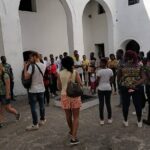
Accra hits you fast with symbolism and stories. This half-day-to-full-day tour strings together four major landmarks with included admission and hotel round-trip transfers, so you spend less time figuring it out and more time looking closely. I especially love the human side of the stops: the W.E.B. Du Bois Centre isn’t just a building, it’s a place that shows personal belongings and awards tied to Pan-Africanism. I also like the practical shopping angle at the arts-and-craft market, where you can browse and pick up real Ghanaian-made items. One consideration: it runs on a tight schedule (about 4 to 7 hours), and it’s weather-dependent.
You’ll start at the W.E.B. Du Bois Memorial Centre for Pan-African Culture and work through Accra’s key ideas—independence, culture, and nation-building—without feeling like you’re rushing between far-flung locations. The guide support is part of the value here, especially when you want context beyond what’s on the signs. If you’re the type who likes long, slow museum time, you might find some stops feel a bit short, but the pacing keeps the day moving.
Key points that make this tour worth your time
- Hotel pickup and drop-off inside Accra saves you from taxi math and street-hustle stress.
- Entrance fees are included, so you can focus on the sites instead of scanning ticket desks.
- W.E.B. Du Bois Centre gives you a personal look at Pan-Africanism through belongings, awards, and family details.
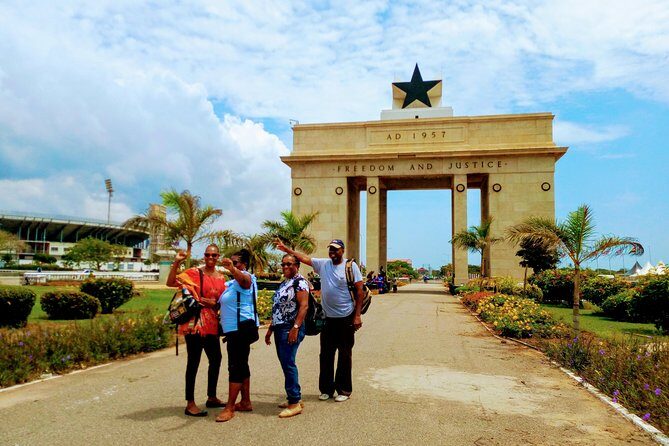
- Independence Square lets you spot the independence arc, Black Star gate, and Liberation monument in one open-air setting.
- Craft-market shopping time is built in, with kente cloths, beads, carvings, and more.
- Kwame Nkrumah Memorial Park ties museum artifacts to the exact moment independence was declared.
In This Review
- Getting Your Bearings in Accra: what this day really does
- W.E.B. Du Bois Centre: Pan-Africanism, shown through personal artifacts
- Independence Square: the symbolism you can actually point to
- Center for National Culture: craft-market browsing without wasting your time
- Kwame Nkrumah Memorial Park: museum artifacts tied to the independence moment
- Price and value: why $100 feels fair for a guided, all-fee-covered day
- Timing, weather, and how to plan your day around the stops
- Shopping and souvenirs: how to leave with good stuff (not just more stuff)
- Who this tour is best for
- Should you book this Accra highlights tour?
- FAQ
- What’s the price for this Accra sightseeing tour?
- How long does the tour take?
- Does the tour include entrance fees?
- Is hotel pickup and drop-off included?
- Are meals included?
- What if the weather is poor?
Getting Your Bearings in Accra: what this day really does
If Accra is your first Ghana stop, this kind of tour is a smart way to get orientation without turning your day into a checklist. You see the landmarks that shape Ghana’s public story—independence and culture—and you get enough time at each place to understand what you’re looking at.
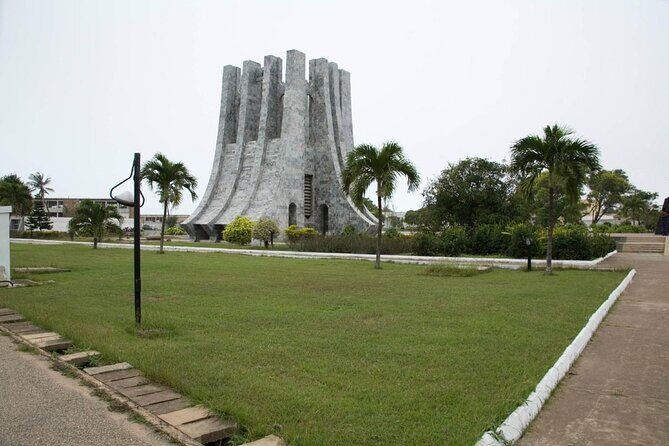
The value isn’t only that admission tickets are covered. It’s that the route is built so you can connect the dots. For example, the meaning of independence isn’t just discussed at Independence Square; it becomes more vivid once you spend time at the Kwame Nkrumah Memorial Park, where the materials and the setting emphasize his role and the arc of his life.
It’s also a good fit for a wide range of travelers. The day is structured, not chaotic. Most travelers can participate, and it runs with a maximum group size of 100—big enough to feel organized, but small enough that your guide can still keep the day on track.
W.E.B. Du Bois Centre: Pan-Africanism, shown through personal artifacts
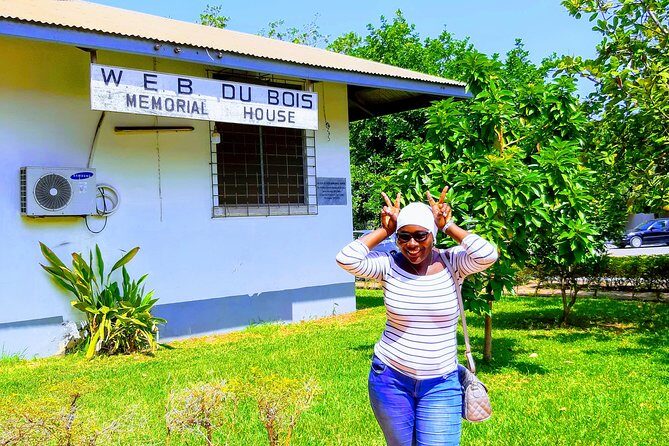
The tour begins at the W.E.B. Du Bois Memorial Centre for Pan-African Culture in Accra. This is not a generic “famous person” stop. It centers on Dr. William Edward Burgardt Du Bois, often described as the father of Pan-Africanism, and his direct connection to Ghana.
Here’s what makes this stop compelling: you learn that Du Bois was invited by Ghana’s first president, Dr. Kwame Nkrumah, to come to Ghana to edit an encyclopedia of African history. He was also given a home to live in with his wife until he passed. Today, that home has become the museum you visit.
Inside, you’ll find Du Bois’ personal belongings, honorary awards, and many publications displayed in the library. There’s also an area that includes his tomb and the cremated body of his wife. That family detail matters because it changes the tone from political icon to lived human story.
How long it feels: plan for about an hour. That’s enough time to take in the major displays and read key context, but it won’t turn into a slow, all-day archive session. If you care deeply about the Pan-African movement, use your hour to focus on the items that link his work to his time in Ghana, not just the most photographed rooms.
Practical tip: wear comfortable shoes and give yourself a minute at the entrance to orient yourself with the space. Once you understand where the tomb and primary exhibits are, the museum flows better.
You can also read our reviews of more tours and experiences in Accra.

Independence Square: the symbolism you can actually point to
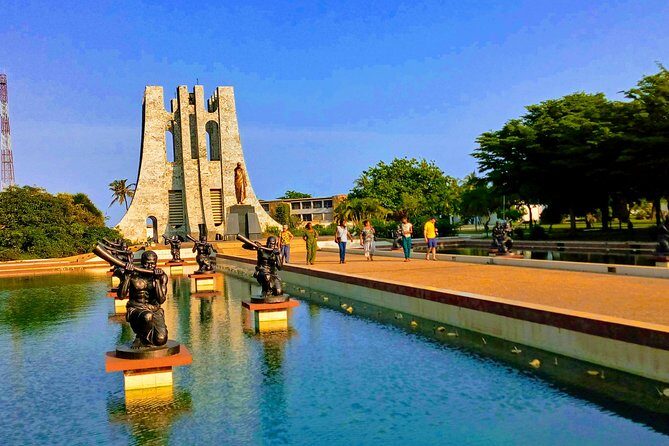
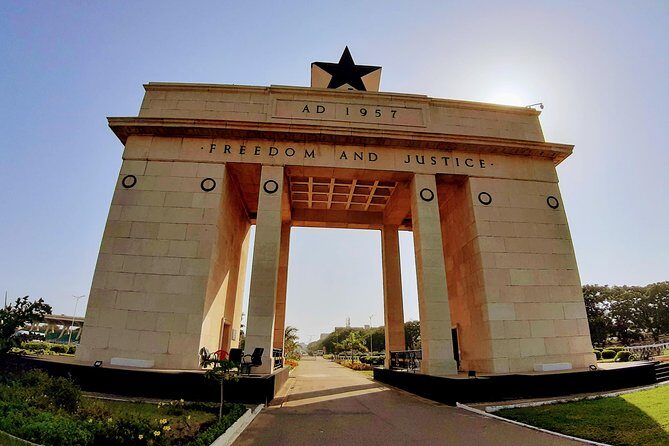
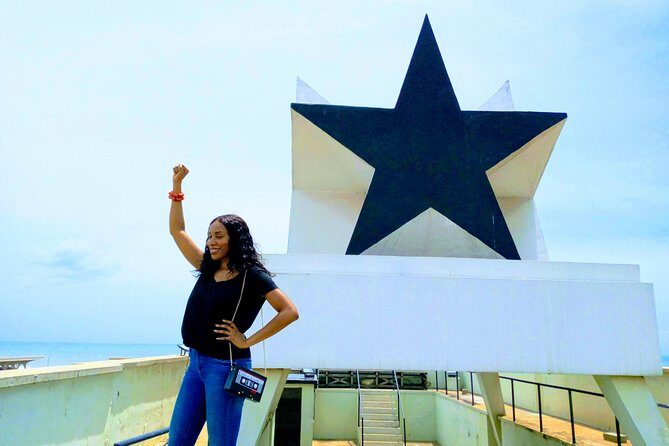
Next comes Independence Square, one of the most recognizable national landmarks in Accra. It’s also known as the Black Star Square, commissioned in 1961 during a royal visit involving Queen Elisabeth II and Prince Charles.
This is a big open space—large enough that it could seat about 30,000 people—bounded by stands. The point wasn’t only architecture. It was built as a place to commemorate Ghana’s independence, with self-reliance and national unity as the theme. You’ll also see that it’s used for other major events, including political rallies and entertainment concerts.
The standout for many first-timers is how specific the landmark features are. You’ll have time to see:
- the independence arc
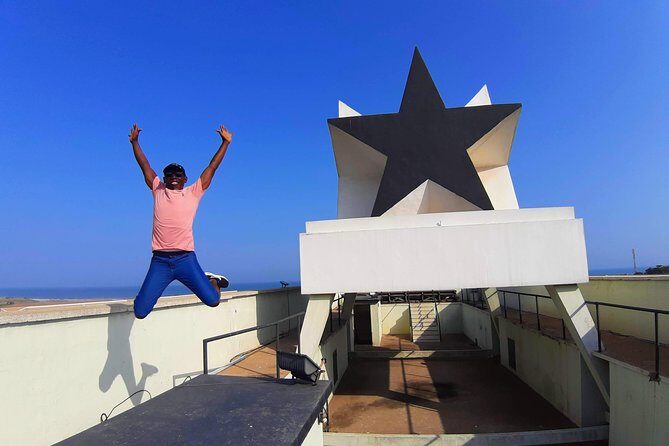
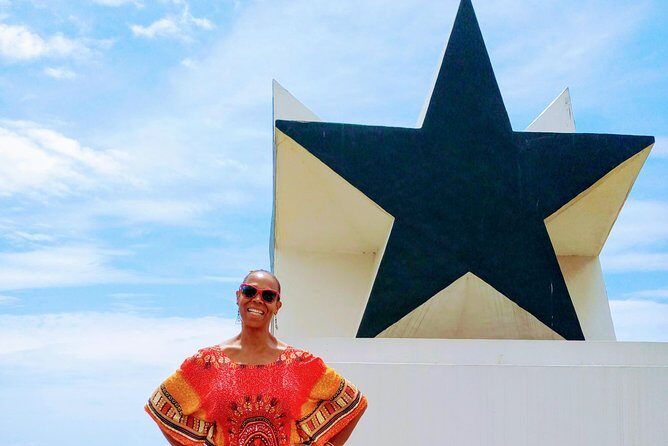
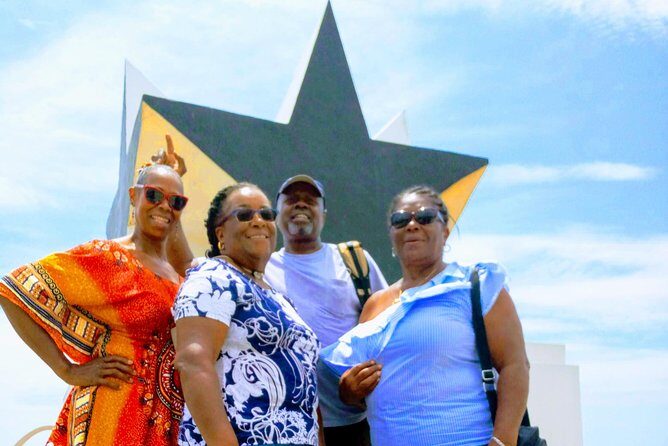
- the Black Star gate
- the monument of Liberation
These are the kinds of elements that are easy to miss if you’re just passing through. With a guide, you get help understanding what they represent, so the space feels less like an empty plaza and more like a carefully designed national message.
Time reality: it’s about 20 minutes on the schedule. That sounds short, but this place is built to be understood by walking a little and looking deliberately. If you want the best photos, position yourself for the arc and gate views first, then circle back to the monument area.
Consideration: because it’s an open-air public space, your experience can shift with the weather and sun. If you’re sensitive to heat, plan to bring water and wear something you can stand in.
Center for National Culture: craft-market browsing without wasting your time
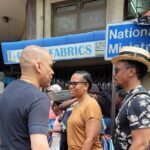
After the national monuments, you’ll get a different kind of cultural experience at the Center for National Culture—specifically the arts and craft market area.
This is where Ghanaian-made goods take center stage. You’ll see stalls selling items inspired by Ghanaian culture: things like kente cloths, beads, carvings, and a range of accessories. The format is simple: you move stall to stall, appreciate what’s on offer, and purchase items if you want souvenirs.
Here’s the part I think you’ll appreciate most: the market is built for interaction. Vendors are around and ready to chat, and they’ll try to persuade you to consider their wares since similar items can be found at the same venue by different sellers.
My advice for getting good value: go in with a clear idea of what you want before you start walking. If you drift stall-to-stall without a target, it’s easy to overspend just because you’re tired. If you spot something you love, take a moment to look at craftsmanship—stitching, beadwork, carving details—rather than only color or size.
Time on the clock: around 30 minutes. That’s enough to compare a few stalls and make at least one purchase, but it won’t satisfy a collector who wants deep bargaining across dozens of sellers. If shopping is a major priority for you, you’ll likely want to allow extra time later on your own.
Kwame Nkrumah Memorial Park: museum artifacts tied to the independence moment
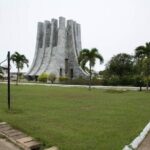
The final landmark stop is Kwame Nkrumah Memorial Park, also tied to the museum dedicated to Ghana’s first president. This place functions as both a memorial and a museum, and it’s the kind of site where the story follows you from object to object.
It’s described as the final resting place of Osagyefo Dr. Kwame Nkrumah, the leader who liberated the Gold Coast from colonial rule. The museum houses personal effects and publications from different stages of his life—from childhood through his political career, including the period around his overthrow and his death.
You’ll also find images and videos showing his life history alongside famous personalities worldwide. And there’s a special “anchor” detail: the grounds include the premise where Nkrumah stood to declare Ghana independent. That matters because it links what you learned at Independence Square to the person and moment behind the declaration.
How long it takes: about an hour, including time to move through exhibits. If you’ve already visited the independence-themed sites earlier, this stop helps you understand the human and political timeline more clearly.
A small drawback to expect: it’s emotionally heavier than the craft market or open plaza stops. If you prefer cheerful pacing all day, you might feel the tone shift here. The trade-off is that the museum content is meaningful and grounded in the memorial setting.
Price and value: why $100 feels fair for a guided, all-fee-covered day
At $100 per person, this tour isn’t a bargain-basement option. But it also isn’t priced like a luxury private driver with unlimited flexibility. The value comes from what’s included and what that saves you.
You get:
- hotel pick-up and drop-off within Accra
- local transportation
- entrance fees for the attractions
- guide support
- fuel charges and taxes
That bundle matters in Accra because transportation planning and paying admission on your own can turn into a frustrating mess—especially if you want context at each stop. With a guide, your time isn’t spent asking basic questions like where to go and which ticket you need.
Duration is about 4 to 7 hours, so you’re buying a focused day of sightseeing rather than half-committed wandering. And since it’s typically booked around 15 days in advance on average, it can help you lock in a slot without waiting until the last minute.
There’s also group-discount potential. The exact discount structure isn’t listed, but the fact that it’s designed as a group offering usually means you’re getting a smoother value equation than you would with fully private logistics.

Timing, weather, and how to plan your day around the stops
This experience runs during daylight hours, and the W.E.B. Du Bois Centre lists opening hours from 9:00 AM to 4:00 PM. The tour itself is scheduled in that general window and is described as lasting 4 to 7 hours.
One more thing you should take seriously: the tour requires good weather. If it’s canceled because of poor weather, you’ll be offered a different date or a full refund. Since Independence Square is open-air, that weather sensitivity makes sense.
How to set yourself up well:
- plan to wear breathable clothing and bring water
- keep your phone battery topped up for photos around the arc and gate
- if you’re sensitive to sun, add a hat and something for shade
Also note: meals aren’t included. The schedule gives you the chance to try Ghanaian dishes from street food vendors at your own expense while you explore. That can be great fun, but it also means you’re responsible for your own comfort and food choices. If you’re cautious with street food, have a backup plan for a simple meal elsewhere.
Shopping and souvenirs: how to leave with good stuff (not just more stuff)
You’ll have shopping time built into the Center for National Culture market. That’s a big deal because souvenir hunts can otherwise eat your time or turn into expensive detours.
Focus on small, well-made items that represent Ghanaian craft traditions:
- kente cloth items or cloth pieces (depending on what you’re looking for)
- beadwork and accessories
- carved souvenirs that show clear craftsmanship
Since vendors are ready to persuade you and similar items may be sold by multiple sellers, treat it like a comparison exercise. Check two or three stalls before buying. If you buy right away, you might miss a version with better finish or a fairer price.
And remember: a guided day is about seeing and understanding, not just purchasing. Choose one or two items you truly like, rather than collecting everything you see.
Who this tour is best for
This is a strong match if you:
- want a guided way to learn Ghana’s capital through its most important public sites
- prefer an organized route with all entrance fees included
- like cultural stops where you can shop thoughtfully
- want hotel pickup so you don’t spend your day negotiating transport
It’s also a good fit if this is your first time in Accra. You get key landmarks connected by theme: independence and national identity, then culture and craft, then the personal and political legacy behind those symbols.
If you’re a super-pacey museum lover who wants deep reading time and long stays in each exhibit, you might feel the schedule is tight. But if you want a high-value orientation day, this hits the sweet spot.
Should you book this Accra highlights tour?
I’d book it if you want a structured day that covers major Accra without wasting hours on logistics. The included entrance fees and hotel transfers are the practical wins. And the guide support adds real value at sites where meaning matters—especially Independence Square and the memorial museum context around Kwame Nkrumah.
I’d think twice if you’re the type who wants flexible stop lengths, or if you’re sensitive to outdoor heat and sun since part of the day is open-air. Also keep in mind that meals aren’t included, so plan how you want to handle food.
Overall, this is a good “first Accra” tour: organized, meaningful, and built to help you understand what you’re seeing, not just look at it.
FAQ
What’s the price for this Accra sightseeing tour?
The tour costs $100.00 per person.
How long does the tour take?
It lasts about 4 to 7 hours.
Does the tour include entrance fees?
Yes. Entrance fees for the listed attractions are included.
Is hotel pickup and drop-off included?
Yes. Round-trip transfers are included, with hotel pick-up and drop-off within Accra.
Are meals included?
No. Meals aren’t included, though you’ll have a chance to try Ghanaian dishes from street food vendors during the day at your own expense.
What if the weather is poor?
This experience requires good weather. If it’s canceled due to poor weather, you’ll be offered a different date or a full refund.