REVIEW · ACCRA
Accra Slave Tour
Book on GetYourGuide →Operated by Classic Holidays · Bookable on GetYourGuide
Forts in Accra tell painful stories up close. This Accra Slave Tour focuses on how the Trans-Atlantic Slave Trade connected to Accra, using surviving sites like James Fort Street and nearby landmarks so you can picture the trade with your feet on the ground. I especially liked the street-level guidance that makes the history feel local, not distant.
I also love that you don’t just pass monuments—you get human context from guides such as Prince and Ritchie, a Jamestown local who shared a strong sense of place and perspective. The one drawback to plan around is time: at 3 hours, you’ll cover a lot of ground, but you won’t have days to process everything.
In This Review
- Key reasons this Accra Slave Tour is worth your time
- Accra’s Slave Trade story starts at the fort gates
- James Fort Street: your 2-hour guided walk and what to watch for
- Ussher Fort and the Dutch presence you shouldn’t skip
- Lighthouse, Brazilian Lane, and those connected corridors
- Learning Accra through local guidance: Prince and Ritchie
- Shopping time at the end: useful, but keep it intentional
- Price and value: is $140 for 3 hours fair?
- Who should book this Accra Slave Tour (and who might not)
- Should you book the Accra Slave Tour?
- FAQ
- How long is the Accra Slave Tour?
- Where does the tour start?
- What sites are visited during the tour?
- How much does the tour cost?
- Is lunch included?
- What’s included in the price?
- What language is the tour guide?
- What type of group is this tour?
- Is free cancellation available?
- Can I reserve and pay later?
Key reasons this Accra Slave Tour is worth your time
- James Fort Street gives you a clear starting point for how British-built defenses fit into the story
- You’ll see Ussher Fort (Dutch-built) so the trade isn’t blamed on one side or one country
- Stops like the Lighthouse area and Brazilian Lane help you connect named places to real routes and buildings
- You’ll learn about the genesis of Accra, so the history isn’t only about ports—it’s also about origins
- End-of-tour shopping time lets you turn the visit into something tangible (without rushing straight into the market madness)
- The format is a private group with an English-speaking guide, so questions stay easy to ask
Accra’s Slave Trade story starts at the fort gates
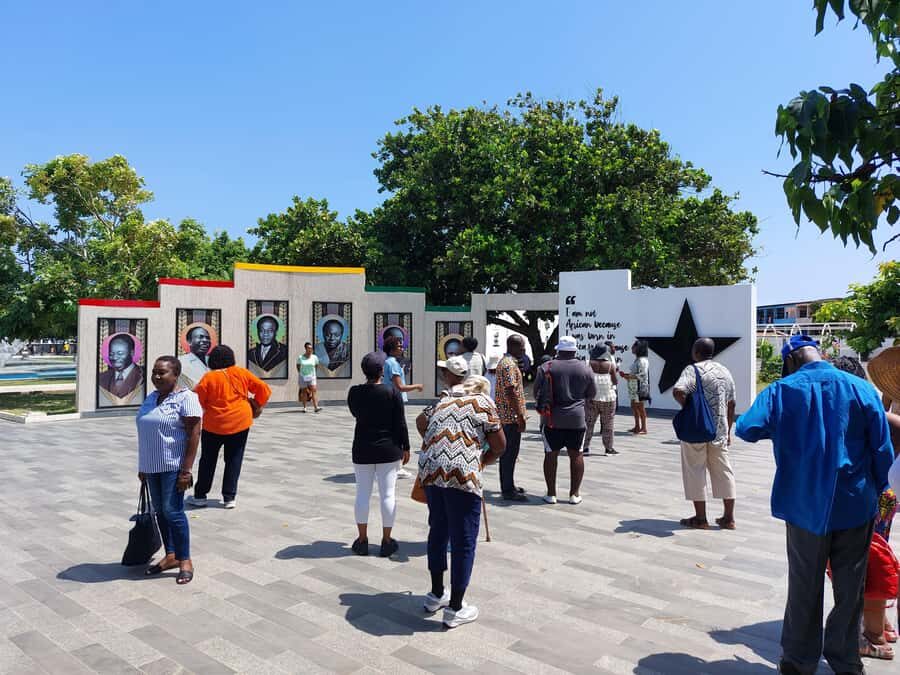
If you’ve only done a Cape Coast-focused itinerary, this tour is a useful correction. Accra had its own role in the Trans-Atlantic Slave Trade, and this experience is built around remnants in the city—places that make it harder to treat the subject like a textbook topic.
I liked how the tour frames Accra as more than a stopover. You get a sense of the city’s genesis, and that matters because it helps you understand how communities, buildings, and movement patterns formed around major coastal trade activity.
There’s also a practical payoff: forts and lanes give you visible anchors. When you can point at a wall, gate, or corridor, the story gets easier to follow than when it’s all map pins. Just be ready for a heavy theme—this is not a casual stroll, even though it’s guided and paced.
You can also read our reviews of more tours and experiences in Accra.

James Fort Street: your 2-hour guided walk and what to watch for
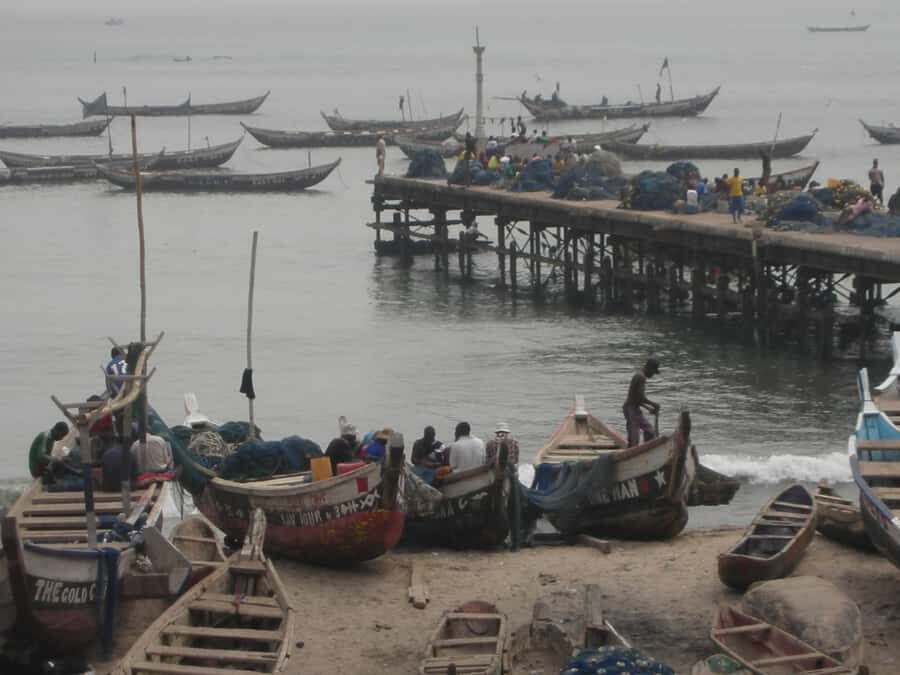
One of the most concrete parts of the experience is the guided time on James Fort Street, which runs about 2 hours on foot. That walking time matters because it lets you slow down enough to notice details you’d miss from a vehicle window—layout, location, and how spaces relate to the coast and harbor activity.
This stop also ties directly to the forts theme. James Fort was built by the British, and seeing it as part of the Accra story helps you connect how European powers shaped coastal infrastructure. In other words, you’re not only hearing about ships and commerce—you’re seeing the built environment that supported that system.
A small practical note: bring comfortable shoes. The experience includes sightseeing and walking, so you’ll want to feel steady and relaxed, especially if the streets are busy or uneven. And if you’re the type who likes to take notes, this is a good segment to do it—your guide’s explanations land best when you can keep watching the setting.
Ussher Fort and the Dutch presence you shouldn’t skip
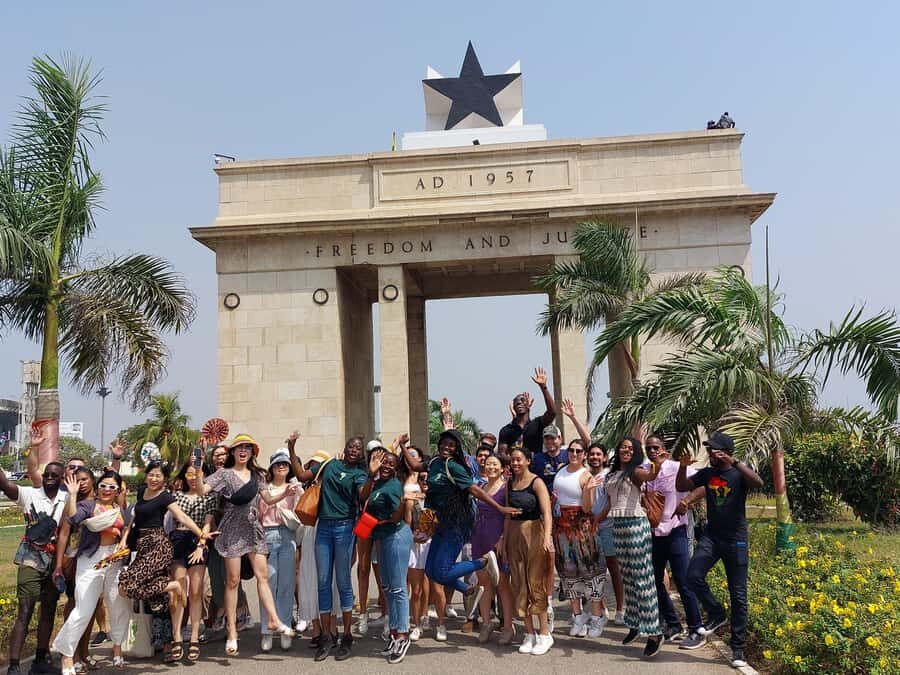
The tour also brings in Ussher Fort, built by the Dutch. That detail may sound like a minor footnote, but it’s a major value point for your understanding. When you see more than one European power’s footprint in the same coastal story, you get a clearer picture of how the trade network functioned.
This is where I think the tour does its best work for learners. Instead of one simplified blame narrative, you get the idea of interconnected interests—different groups building, trading, and controlling access to strategic areas. Seeing these forts in the same overall route helps you connect the dots without needing a separate history lecture.
If you want to make the most of this portion, ask your guide how the fort locations relate to movement and control. Even if you already know the basics, those explanations help you turn “I read about it” into “I understand where and why it happened here.”
Lighthouse, Brazilian Lane, and those connected corridors
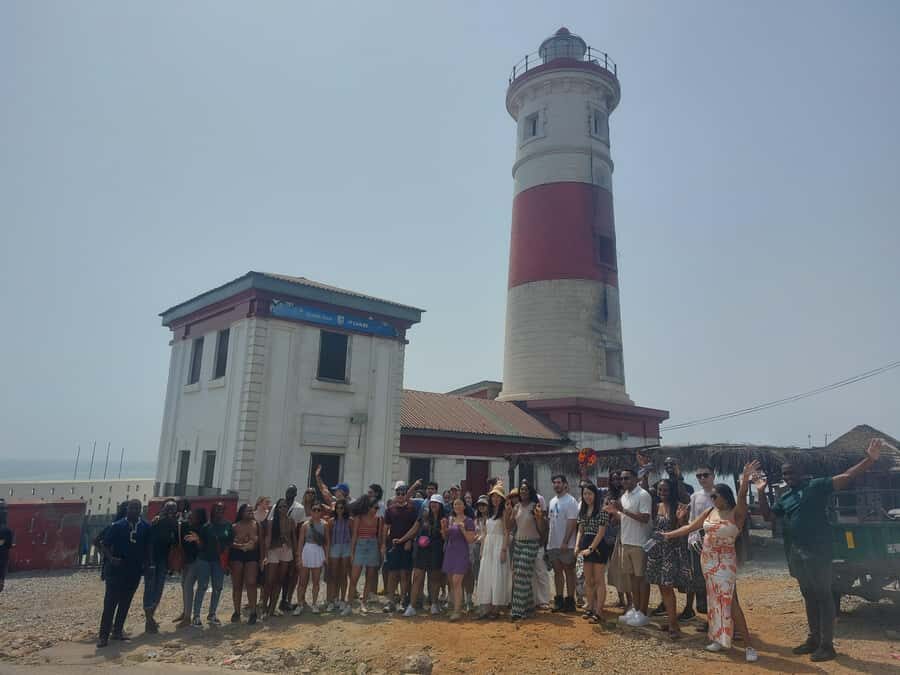
Beyond the forts, you’ll also visit areas linked to the trade, including the Lighthouse and Brazilian Lane, plus other houses and tunnels associated with the infamous period. The names matter. They point to a past where places were repurposed, renamed, and connected to international routes.
This part of the tour is especially valuable for your mental mapping. When you walk past places tied to the trade—lanes, structures, and underground or semi-hidden spaces—you start to understand that the system wasn’t only about ocean travel. It also depended on land-based movement, holding areas, and architecture that controlled access.
At the same time, keep expectations grounded. The tour time is limited, so you won’t get an endless site-by-site breakdown. But you will get enough stops like Brazilian Lane and the Lighthouse area to build a coherent route you can recall later. If you like walking tours that leave you with a story you can retell, this segment is built for that.
Learning Accra through local guidance: Prince and Ritchie
What makes this tour feel more than a checklist is the people behind the explanations. In the experience, the guides include Prince, who led the overall tour, and Ritchie, a Jamestown local who brought expert insight and a strong sense of perspective.
That local voice is more than a nice bonus. When you’re dealing with history that’s painful and complex, you want more than facts—you want context tied to a living community. A Jamestown guide can help you understand how the area’s identity and memory shape the way you interpret the sites you’re seeing.
If you’re curious, don’t be shy about questions. With a private group format, it’s usually easier to ask follow-ups and keep the conversation focused on what you actually want to understand: how the sites connect, what each fort implies, and how Accra fits into the wider Trans-Atlantic Slave Trade system.


Shopping time at the end: useful, but keep it intentional
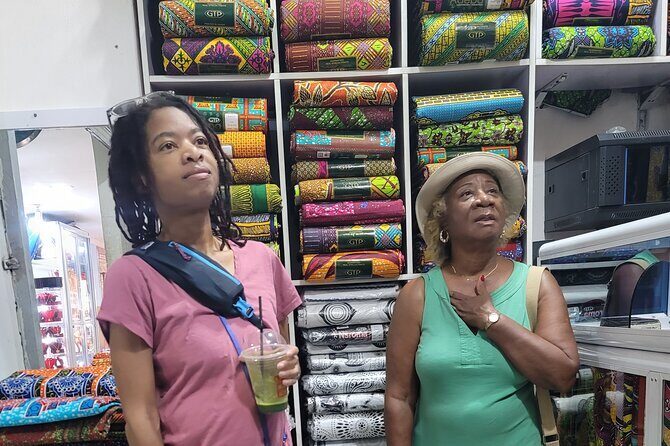
The tour includes an opportunity to shop after the main sightseeing, before you’re dropped off at your preferred location. I like this structure because it gives you a chance to shift from heavy history to something practical and immediate—without feeling like you have to rush back into town planning on your own.
What should you do while shopping? Treat it like a chance to buy directly from the current economy around places you just learned about. You might find souvenirs, craft items, or local goods that help you remember the day beyond photos.
One caution: bring a sense of focus. If you go in hungry for deals, you can end up overwhelmed. If you go in with a short list—small items you can carry, gifts you actually need—it feels calmer and more respectful of your time and attention.
Price and value: is $140 for 3 hours fair?
The price is $140 per person for a 3-hour tour. At first glance, that can feel steep if you compare it to big group tours. But the cost includes pickup and drop off, transportation, tour guidance, fuel surcharges, and water—and it’s delivered as a private group experience.
Here’s how I’d frame the value: if you want a guided route that helps you interpret forts, lanes, and linked structures in Accra, you’re paying for interpretation and logistics, not just entry-level sightseeing. Three hours isn’t long, but private guidance can reduce wasted time and make the route easier to understand.
The one thing not included is lunch. That matters because you’ll want to plan your meal timing so you don’t end up cutting your sightseeing short to find food. If you schedule the tour earlier in the day, you’ll likely have an easier time staying comfortable.
Who should book this Accra Slave Tour (and who might not)
This tour is a strong fit if you want Accra-specific framing of the Trans-Atlantic Slave Trade. If you’ve already visited Cape Coast and you want to understand the wider Ghana coastline story, this adds a necessary second perspective.
It also suits you if you like walking segments with clear anchors. The time on James Fort Street gives you a real way to follow the narrative using visible places, not just descriptions. And if you prefer asking questions without crowd pressure, the private group format is a meaningful advantage.
On the other hand, if you want a longer, slower study with plenty of breaks for reflection, this format may feel tight. The subject is heavy, and the total duration is brief, so you’ll likely want to follow up later with reading or another guided option.
Should you book the Accra Slave Tour?
My take: yes, if you want Accra’s side of the story and you like guided walking routes that connect named places to meaning. The combination of forts (James Fort and Ussher Fort) plus linked areas like the Lighthouse and Brazilian Lane creates a route you can remember, not just a set of photos.
Book it especially if you value local perspective—guides like Prince and Ritchie bring the kind of context that helps history land in your brain where it belongs. Just go in knowing the tour is 3 hours, so plan for more time afterward if you want to absorb everything at a slower pace.
FAQ
How long is the Accra Slave Tour?
It runs for 3 hours total.
Where does the tour start?
The tour includes pickup in Accra.
What sites are visited during the tour?
You’ll visit places associated with the Trans-Atlantic Slave Trade, including James Fort, Ussher Fort, the Lighthouse, Brazilian Lane, and other related houses and tunnels.
How much does the tour cost?
The price is $140 per person.
Is lunch included?
No, lunch is not included.
What’s included in the price?
Included are pickup and drop off, transportation, fuel surcharges, a tour guide, and water.
What language is the tour guide?
The tour guide speaks English.
What type of group is this tour?
It’s a private group.
Is free cancellation available?
Yes— you can cancel up to 24 hours in advance for a full refund.
Can I reserve and pay later?
Yes. The option is listed as Reserve now & pay later, meaning you can book your spot and pay nothing today.