REVIEW · ACCRA
Naming Ceremony, Assin Manso Slave River and Cape Coast Castle
Book on Viator →Operated by Nsroma Adventures · Bookable on Viator
Your name becomes part of the day.
This private outing pairs a Ghanaian naming ceremony with two heavy-hitting sites tied to the transatlantic slave trade, so you get both identity and history in one long morning through late afternoon. You’ll spend time with traditional prayers and blessings, plus drumming and dancing, then you’ll walk into Assin Manso and the dungeons at Cape Coast Castle and feel the contrast between life, loss, and resilience.
I especially like the mix of culture you can touch and history you can’t ignore. You’ll get keepsakes including a customized sash, a laminated name certificate, and a customized bead marked with your name and clay designs, and the ceremony is performed by the Queen Mother. I also like that Ruby and her driver Prinze (the names I saw connected with the experience) keep the day running smoothly, with patience between stops and a clear, practical approach.
One consideration: this is a long 12–14 hour day that starts at 6:00 am, and the slave-trade sites are emotional. Lunch isn’t included in the price, and you should plan to pay about 100–200 cedis while the schedule includes time at Hans Cottage Crocodile Botel.
In This Review
- Key highlights you should know
- Morning pick-up and a long, focused ride from Accra Mall
- A Queen Mother naming ceremony with real meaning behind the name
- What to expect during the ceremony portion
- Your Ghanaian name as a souvenir you actually own
- Assin Manso Slave River Park and the power of the last bath
- How to handle the emotions here
- Cape Coast Castle dungeons: built by enslaved labor in the 1650s
- How the full day flows, including Hans Cottage Crocodile Botel lunch time
- What you get for $280, and where the extra cost shows up
- Who should book this experience
- Should you book Nsroma Adventures for Naming + Assin Manso + Cape Coast?
- FAQ
- FAQ
- How long is the tour?
- What time does it start?
- Where do we meet?
- How much does it cost?
- Is lunch included in the price?
- Are admission tickets included?
- Is pickup offered?
- Is this a private tour?
- What is the cancellation policy?
Key highlights you should know
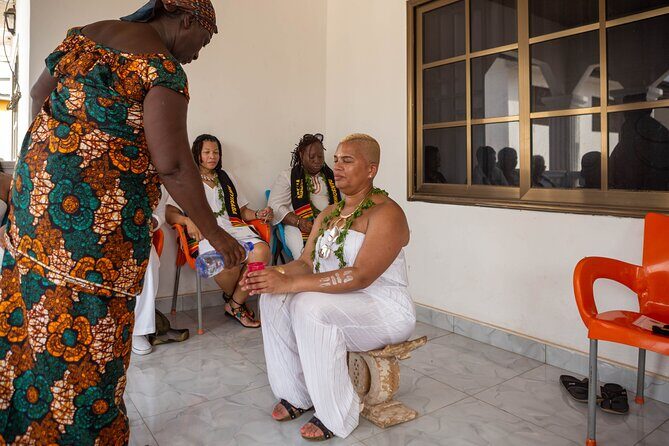
- Queen Mother-led naming ceremony with blessings, drumming, and dancing
- Personal keepsakes: customized sash, laminated name certificate, and a bead with name/clay marks
- Assin Manso Slave River Park’s last bath setting, where the calm makes the story hit harder
- Cape Coast Castle’s 1650s-era slave-built spaces and the harsh reality of transport
- Private, air-conditioned transport with snacks, bottled water, soda/pop, and WiFi on board
- Ruby and Prinze’s steady pacing, so the day feels organized even when emotions run high
Morning pick-up and a long, focused ride from Accra Mall
The day begins early. You meet at Accra Mall, Plot C11 Tetteh Quarshie Interchange on Spintex Rd, and the start time is 6:00 am. It’s a private tour, so your group stays together in an air-conditioned vehicle with WiFi on board, plus bottled water and snacks.
This is one of those days where logistics matter. You’re traveling from Accra into the Central Region, and the schedule also accounts for time at lunch (you pay for it), so you’re not spending your energy guessing where to go next. Having a licensed guide also helps keep the day from feeling like three unrelated stops.
You can also read our reviews of more tours and experiences in Accra.
A Queen Mother naming ceremony with real meaning behind the name
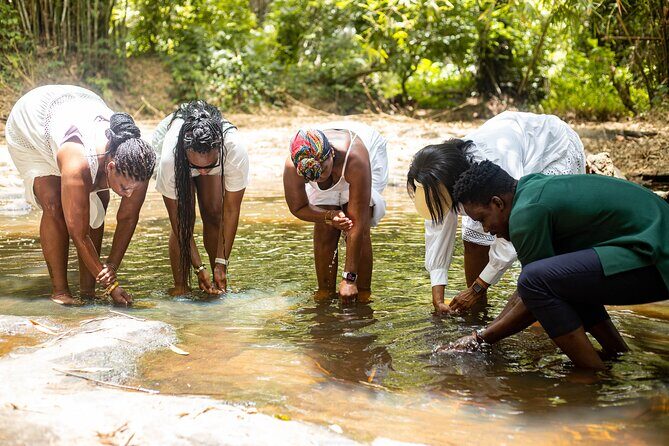
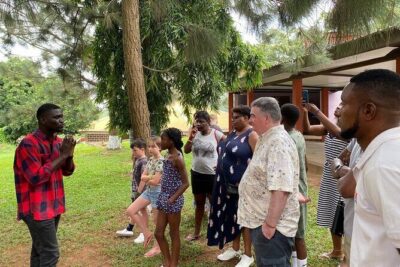
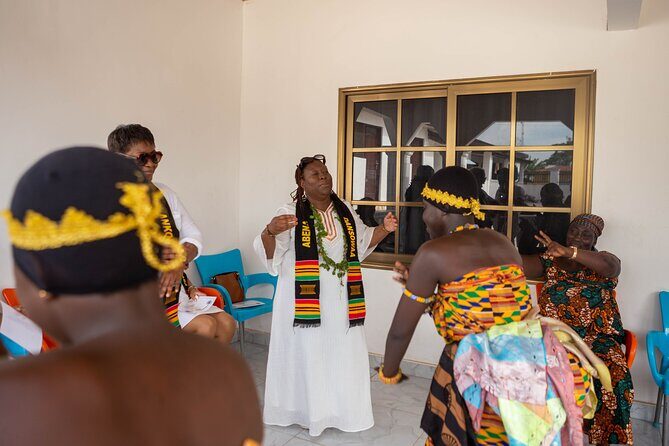
The first stop is the naming ceremony, led by the Queen Mother. In Akan tradition, this kind of event is often called Outdooring, marking a person’s public introduction into the community in line with ancestral traditions. You’re not just watching. You’re participating in the symbolic moment of receiving a Ghanaian name.
The ceremony includes prayers and spiritual blessings. Libation is part of the process to honor the ancestors, and the energy is usually amplified with drumming and dancing, followed by feasting. Names often connect to the day of the week you were born, following the Akan tradition shared in the experience.
What I like most is that the ceremony isn’t treated like a quick photo op. You receive tangible keepsakes that tie the moment to you long after the drive back to Accra. The package includes a customized sash, a laminated certificate of your name, and a customized bead with your name plus clay marks.
What to expect during the ceremony portion
The experience is set up as about two hours for the ceremony itself. You’ll likely spend time listening to the spiritual and cultural flow of the naming, then receiving your name and the items tied to it. If you’re hoping for a personal, respectful atmosphere, this is the right format: it’s designed around the ceremony, not a rush past it.
Your Ghanaian name as a souvenir you actually own
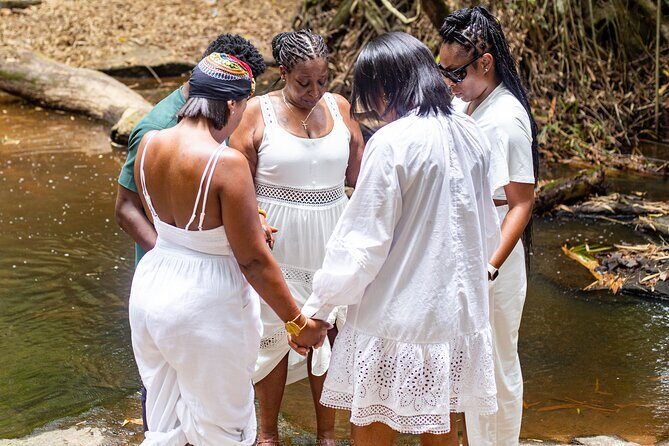
In many places, a cultural experience ends when you buy a trinket. Here, the tour gives you items that feel ceremonial and personal.
You’ll leave with:
- A customized sash made for the occasion
- A laminated certificate showing your name
- A customized bead with your name and clay marks
These details matter for value. You’re paying $280 per person for a full-day experience that includes guided transport and admission for the later sites, and you also get keepsakes that are directly linked to you and the ceremony. That’s a different kind of souvenir—one that doesn’t feel generic.
Also, the ceremony being led by the Queen Mother adds weight. Even if you’re only loosely familiar with Akan naming practices, you can feel that this is community ritual, not staged entertainment.
Assin Manso Slave River Park and the power of the last bath
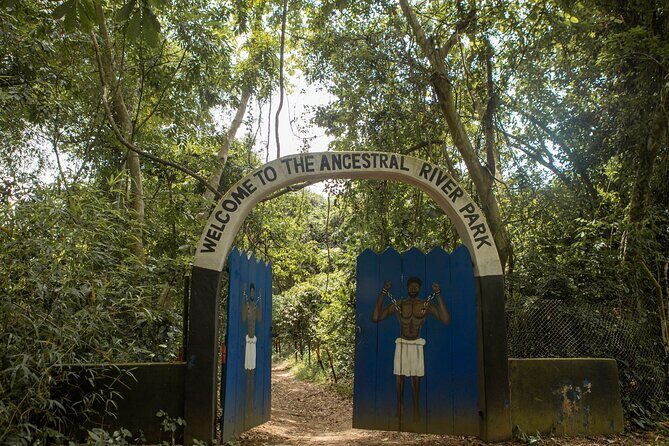
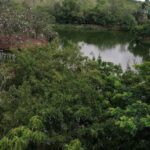
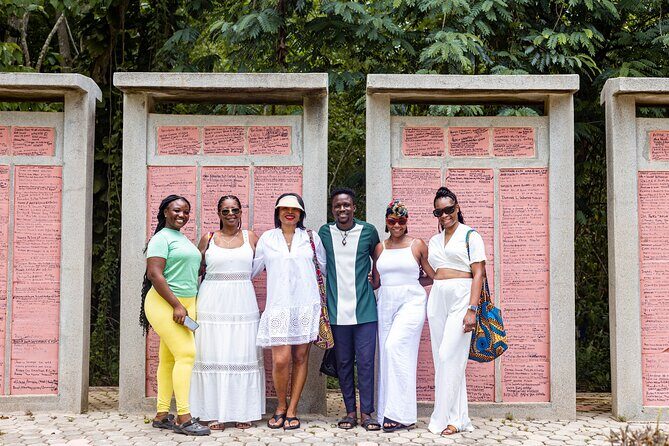
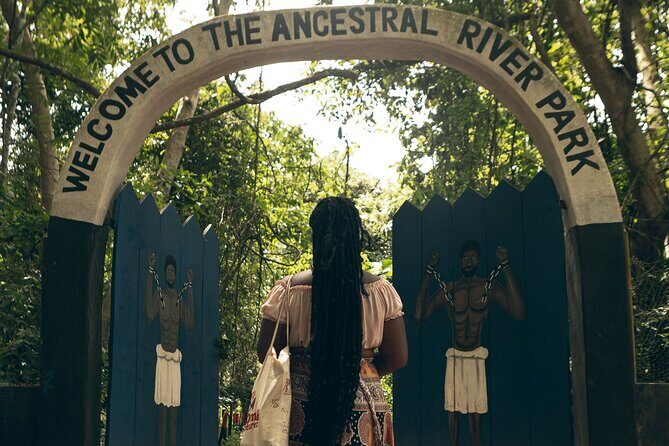
After the ceremony, the pace shifts from celebratory culture to a somber kind of reflection. Assin Manso Slave River Park is where you’ll have an emotional moment tied to slavery’s final journey, often described as the last bath site.
This stop is about two hours and includes admission. The park tours are set up for an in-depth experience, and the way the setting works is part of why people remember it. There’s a sense of serenity in the location, and that calm makes the story even harder to take in.
You don’t need to be a history expert to understand why this site matters. It’s about acknowledging what happened to human beings and how those experiences shaped lives, families, and identity. The experience is designed to slow you down enough to feel the contrast between the physical place and the tragic purpose tied to it.
How to handle the emotions here
This isn’t the kind of stop where you can skim through with a casual mood. Bring a mindset that allows for heaviness. If you’re traveling with someone who prefers lighter content, this is where you’ll want to check in with each other before you commit to the full day.
Cape Coast Castle dungeons: built by enslaved labor in the 1650s

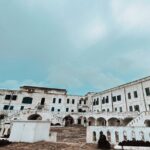
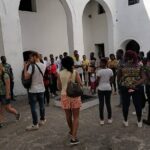
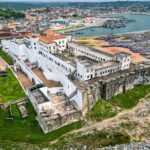
Next comes Cape Coast Castle, a World Heritage Site connected directly to the machinery of the slave trade. The castle was established by Swedes colonists and built by enslaved people in the 1650s. It was used mainly for holding and transporting enslaved Africans, including Ghanaians and other West Africans who walked to Ghana and were then shipped to European destinations.
You’ll spend about two hours here with admission included. The dungeons are the focus, which means you’ll see (and feel) the conditions where people were confined. It’s not comfortable content, and it shouldn’t be. The value is in confronting the truth of what the enslaved endured.
What I appreciate about pairing Assin Manso with Cape Coast Castle in one day is that the stories connect. You go from a site associated with a final ritualized moment to a structure designed for confinement and transport. The two stops together help you understand the journey as a sequence rather than disconnected facts.
How the full day flows, including Hans Cottage Crocodile Botel lunch time
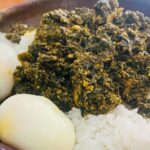
With a 12 to 14 hour total duration, you’ll have time for travel, ceremony, two major historical stops, and a lunch break. Lunch itself isn’t included in the price, but the schedule includes time for lunch at Hans Cottage Crocodile Botel.
Plan for a lunch budget of 100–200 cedis. If you want local food, this is one of the better ways to do it: your guide keeps the day organized, and you’re not left hunting for a restaurant far from the route.
Here’s a practical tip: treat this as a marathon day. Wear comfortable clothes for walking and sitting in a car for long stretches. Bring a light layer if you get chilly in transit, and keep your phone charged for the naming certificate moment and photos if that’s your thing.
What you get for $280, and where the extra cost shows up
At $280 per person, this tour isn’t the cheapest outing in Accra. But it’s not paying for travel alone either. The price includes:
- Air-conditioned vehicle
- Licensed guide
- Bottled water, snacks, and soda/pop
- WiFi on board
- All fees and taxes
- Admission for Assin Manso and Cape Coast Castle
- A naming ceremony package with keepsakes (sash, laminated certificate, customized bead, and clay marks)
The only clear extra is lunch. You should also think about how you budget for emotional sites—meaning, time and attention, not just money.
If you’re the kind of traveler who wants one day that actually connects multiple parts of Ghana—culture first, then history in a direct way—this price makes sense. It’s built around guided access and structured timing, which matters for a day that starts at dawn and runs late.
Who should book this experience
This is a good fit if you want both sides of Ghana in one day:
- a meaningful naming ceremony tied to tradition and community
- two slave-trade sites that ask you to witness history with care
It’s also a strong match if you prefer a private format. You won’t be stuck with strangers or split attention between multiple groups. Service animals are allowed, and the tour says most travelers can participate.
It may be a tougher fit if you’re looking for light, upbeat sightseeing. The naming ceremony can be joyful and celebratory, but Assin Manso and Cape Coast Castle are emotionally intense. If that’s going to be a problem for your group, you might want to adjust your plan.
Should you book Nsroma Adventures for Naming + Assin Manso + Cape Coast?
Book it if you want a day that feels intentional. You get real ceremony keepsakes, a guided route that doesn’t waste time, and two sites that connect the story of slavery’s journey from holding and ritual to confinement and transport. The structure matters: ceremony first, then history, so your understanding builds rather than randomly jumping around.
Skip or reconsider if you can’t handle long days starting at 6:00 am or you’re not up for heavy subject matter. This isn’t a “quick emotional stop” kind of tour. It asks you to pay attention and sit with what you learn.
If you decide to go, I’d treat the naming ceremony as the emotional anchor and the slave-trade sites as the weight of the lesson. Done that way, it’s not just a tour. It’s a full day of identity, memory, and responsibility.
FAQ
FAQ
How long is the tour?
The tour runs about 12 to 14 hours total.
What time does it start?
It starts at 6:00 am.
Where do we meet?
You’ll start at Accra Mall, Plot C11 Tetteh Quarshie Interchange, Spintex Rd, Accra, Ghana.
How much does it cost?
The price is $280.00 per person.
Is lunch included in the price?
Lunch is not included. The tour duration includes time for lunch at Hans Cottage Crocodile Botel, and you should plan for 100–200 cedis.
Are admission tickets included?
Admission is free for the naming ceremony stop, and admission tickets are included for Assin Manso Slave River Park and Cape Coast Castle.
Is pickup offered?
Yes, pickup is offered, and the activity ends back at the meeting point.
Is this a private tour?
Yes, it’s private. Only your group participates.
What is the cancellation policy?
You can cancel for a full refund if you cancel up to 24 hours in advance of the experience start time. If you cancel within 24 hours, the amount paid is not refunded.