Markets are a lot. With a guide, they make sense. This private walking tour in Accra takes you through Makola, Kantamanto, and Agbogbloshie with a Hausa perspective, then adds the special stuff many visitors miss: the Arena Accra timber market and the herb market where roots and leaves connect to traditional remedies and spiritual practice.
Two things I really like about this tour are the hands-on bargaining practice (you learn the rhythm instead of guessing) and the fact that you’re not stuck with one narrow strip of shopping. You also get the kind of local guidance that helps you move with confidence and shop for goods, foods, and souvenirs without feeling totally tossed into the deep end.
The main drawback to consider: market time can feel intense if you’re not naturally comfortable haggling or if you hoped for longer stops at one specific market, like Makola.
In This Review
- Key Things to Know Before You Go
- Accra Markets in a Private 3.5-Hour Walk
- Pickup, Private Pace, and the Hausa Guide Advantage
- Makola Market: Getting Your Bearings and Shopping Smart
- Kantamanto Market: Textiles, Trade, and Haggling Rhythm
- Agbogbloshie Market: Electronics, Textures, and Staying Respectful
- Arena Accra Timber Market: Wood, Craft, and a Different Side of Trade
- Herb Market: Roots, Leaves, and Traditional Medicine Context
- Bargaining With a Guide: How to Avoid Awkward Moments
- Price and Value for $135: What You’re Really Paying For
- Who This Tour Fits Best (and Who Should Skip It)
- Should You Book the Accra Markets Tour?
- FAQ
- How long does the Accra Markets Tour last?
- Is this tour private?
- Which markets and areas are included?
- Does the tour include pickup and where does it end?
- What is included in the price?
- Will I get a mobile ticket?
- What happens if weather is bad or I cancel?
Key Things to Know Before You Go
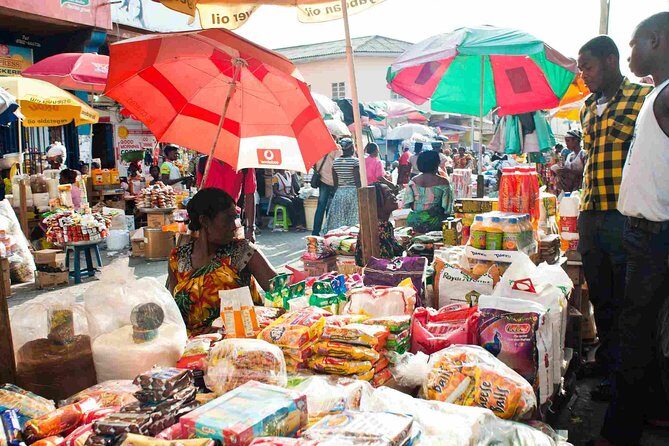
- Private walking setup means your group sets the pace, not the crowd
- Hausa guide focus includes bargaining know-how and herbal-medicine context
- Arena Accra timber market stop gives you a different side of Accra trade
- Herb market visit explains roots, leaves, and traditional remedies with a cultural lens
- Flexibility matters: guides can adjust the route when conditions change
Accra Markets in a Private 3.5-Hour Walk

This is a short, focused market tour. At about 3 hours 30 minutes, you get enough time to see several major market areas without turning your day into one long grind. It’s built for walking, so it helps to have comfortable shoes and a steady pace. The tour also includes pickup, which lowers the stress factor right away. You’re not trying to figure out where to stand, what entrance to use, or how to catch the right vibe once you arrive.
What makes it work is the structure. You move from market to market with a guide who can translate what you’re seeing into something you can act on. That’s the difference between watching from the edge and actually understanding what each space is for. This tour also wraps in two “extra” stops beyond the classic market trio, so your shopping and learning don’t feel repetitive.
You should also know that the market environment can feel overwhelming at first, especially if you’re quiet and worried about doing things wrong. The tour is designed to reduce that worry, but it can’t erase the reality that markets are active places. If you go in expecting calm browsing like a mall, you’ll probably have a tougher time.
You can also read our reviews of more tours and experiences in Accra.


Pickup, Private Pace, and the Hausa Guide Advantage
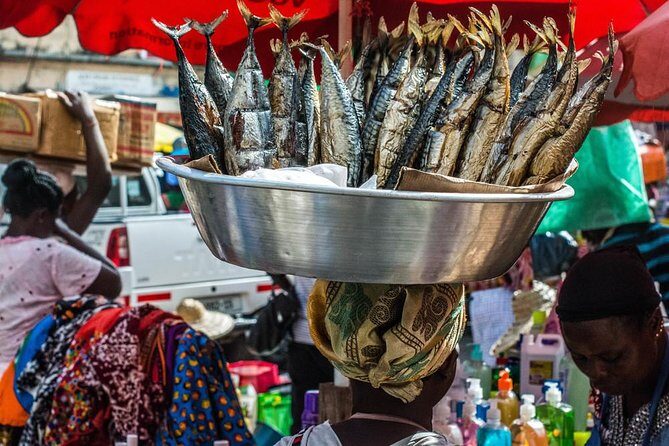
This is a private tour, so only your group participates. That matters more than it sounds. Markets move fast, and with strangers around, you can lose the thread of what your guide is explaining. With private pacing, you get more chances to ask questions, slow down when something grabs your attention, and speed up when you just want to get through a crowded aisle.
Local guidance is the backbone here. The tour is described as a Hausa experience, and that’s reflected in the way bargaining and herbal medicine are framed. From feedback, the guides are a big reason people feel satisfied. One guide named Modesta was specifically praised for how well she handled a route change, keeping the experience planned and enjoyable even when the day required adjustments.
Another practical win: having a driver lined up in addition to the guide. In market areas, you often want quick transport between points, and you don’t want to waste your energy negotiating your way across traffic. The guide-driver pairing tends to make the whole flow smoother, especially when you’re moving between different market zones.
Bottom line: this tour isn’t just sightseeing. It’s a guided way to operate inside Accra markets.
Makola Market: Getting Your Bearings and Shopping Smart
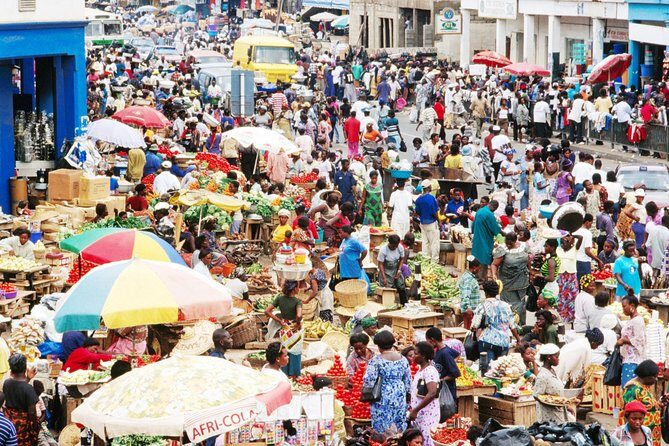
Makola is usually the first big test of confidence. It’s busy, full of stalls, and visually loud. Without guidance, it can be easy to get turned around or to miss what matters. With this tour, you start here to get your bearings and learn how to approach sellers. Your guide helps you understand what’s where and how bargaining tends to work in real conversations.
This is also a place where you can shop for a mix of everyday items and souvenirs. The tour includes the opportunity to buy local goods and foods, so Makola can be your chance to pick up small practical items you’ll actually use later. If you’re hoping to buy clothing or crafts, this is a good starting point because you can compare options as you move through the rest of the markets.
A fair consideration: some people want more time at Makola. If you’re the type who can spend an hour just scanning stalls, you may feel the schedule is tight. The tour still gives you a solid look, but it’s not designed as a single-market deep session. Think of Makola as your launchpad.
Practical tip for Makola: set a mental budget before you start. When you’re learning bargaining, you don’t want the first transaction to derail your plan.
Kantamanto Market: Textiles, Trade, and Haggling Rhythm
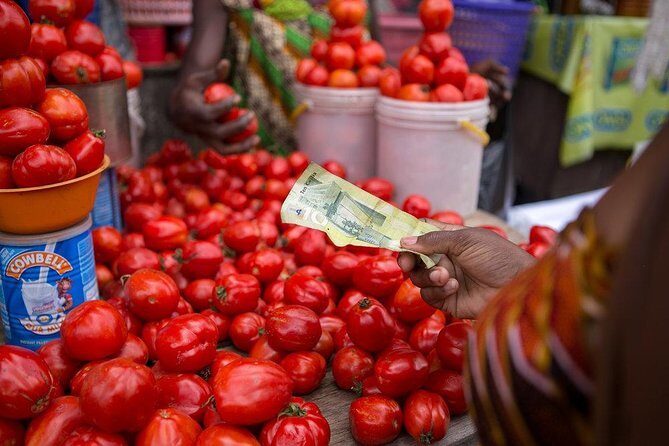
After Makola, Kantamanto brings a different feel. This is another major market space where trading is the focus, and the energy can be very seller-driven. The value of your guide here is that they help you interpret the flow. Instead of standing there unsure, you learn how to ask questions in a way that keeps things respectful and productive.
Kantamanto is often where shoppers practice the bargaining rhythm. The tour is set up specifically for that: you’re not just allowed to haggle; you’re guided through it. That’s especially helpful if you’re not naturally aggressive or if you worry about being awkward. A good guide can steer the tone, help you understand when to push and when to step back, and make the interaction feel more like communication than conflict.
This is also where you can find interesting local items, including crafts and goods you might not see in more tourist-centered areas. If your goal is souvenirs that look like they belong to Ghana rather than generic trinkets, this market stop can deliver.
One caution: if you’re already overwhelmed by the idea of bargaining, Kantamanto may feel like a lot. That’s not a deal-breaker, but it’s worth knowing. You’ll have to participate to get full value from this portion of the tour.
Agbogbloshie Market: Electronics, Textures, and Staying Respectful
Agbogbloshie is a name that comes with strong impressions. Even if you know something about it beforehand, the actual visit is about seeing the place through a guided lens and understanding the market’s role in trade. Here, you’ll encounter a different category of goods and a different style of selling compared to fabric-and-craft markets.
The tour gives you enough time to see what’s happening without turning it into a heavy, drawn-out event. Still, this stop can be emotionally and visually intense. That’s normal for markets with high turnover and specialized items. Your guide’s job is to keep the experience grounded: help you ask what you need, show you how to handle the space politely, and keep you moving at a steady pace.
Because the tour includes multiple markets, the Agbogbloshie stop works best when you’re ready to shift gears. You might go from browsing crafts and goods to looking at different products altogether. The guided structure keeps it from feeling random.
Practical advice: if any area feels too intense in the moment, tell your guide. Private pacing means you can slow down or adjust how you shop rather than forcing yourself to power through.



Arena Accra Timber Market: Wood, Craft, and a Different Side of Trade
One of the smartest additions to this tour is the Arena Accra timber market stop. It changes the story from general markets to a specific trade. Timber markets aren’t just about buying an item. They give you a sense of how building materials, craftsmanship, and supply chains connect in everyday commerce.
You’ll see how wood is presented and sold, and you’ll likely notice that it’s not the same retail feel as a smaller market stall. It’s more about commerce and practical sourcing. That makes it valuable even if you don’t plan to buy anything. It helps you understand the variety inside Accra’s market economy.
This stop also gives your tour “breathing space.” After the main market triangle, it’s a shift that refreshes your eyes and resets the shopping logic. You stop thinking only about souvenirs and start noticing how different industries shape what you see.
If you’re into crafts, materials, or making decisions based on what you can learn through observation, this is one of the most rewarding segments.
Herb Market: Roots, Leaves, and Traditional Medicine Context
Then comes the herb market. This is where the tour becomes more than shopping. You’ll see roots and leaves and learn about traditional remedies through a guided cultural explanation. The information you get covers both practical herbal medicine and references to spiritual practice, including voodoo practices, as part of how people understand healing and protection.
What makes this stop genuinely useful is that it’s framed through local guidance, not guesswork. Without that context, herb markets can feel like a chaotic pile of plants with no clear meaning. With a guide, you can connect what you’re seeing to why it’s used, and you can ask questions about what different items are for.
Also, this is a good place to buy carefully. If you want to purchase herbs or related items, you’ll be in an environment where sellers are used to questions. Your guide helps you navigate that with less friction.
A small consideration: if you’re not interested in traditional medicine topics, this segment may feel more like learning than shopping. Still, it’s a key cultural stop, and it rounds out the tour’s theme of how people live, trade, and heal in Accra.
Bargaining With a Guide: How to Avoid Awkward Moments
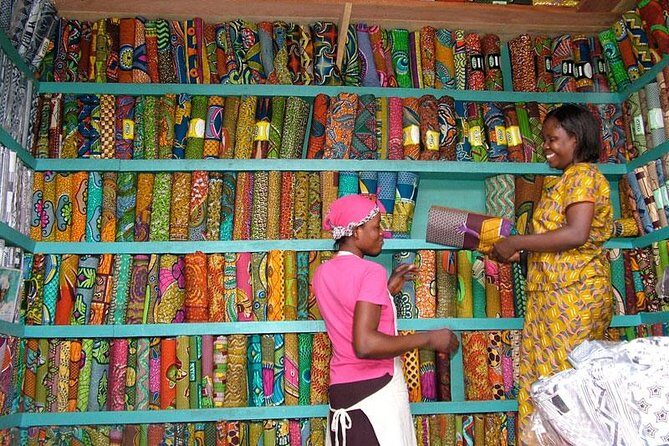
Bargaining is a skill. The tour treats it like one, which is why many people rate it highly for learning and experience. Instead of you trying to copy what you think works, you get guidance on how bargaining works African-style—more conversation, more back-and-forth, and a different social tempo than negotiating in places that cater to tourists.
Here’s how to make bargaining feel easier, even before you start:
- Decide what you’ll buy before you bargain hard. If you’re not buying, bargaining can turn into an awkward dance.
- Start friendly. Keep your tone calm, and be willing to say no without making it personal.
- Ask questions early. You’ll get more respect when you show you’re learning, not just hunting for the lowest price.
- Watch your guide. They know when to push and when to let the deal land.
From the feedback, the biggest risk is feeling overwhelmed if you’re not good at haggling. If that’s you, don’t panic. Your guide can help you set a style that works for you. You can still participate by asking for explanations, comparing items, and making one or two purchases you truly want.
Also, remember that the tour is only 3.5 hours. If you spend all your time on one item, you’ll lose chances to see the rest. A guide can help you budget your energy across stops.
Price and Value for $135: What You’re Really Paying For
At $135 per person for about 3 hours 30 minutes, this tour isn’t a budget “walk and watch” option. You’re paying for three things: local expertise, guided bargaining support, and access to specific market zones that are easier to navigate with help.
For me, the value equation comes down to this: you get a local guide for the entire stretch, plus pickup, plus market-to-market movement. You’re also not paying for hidden extras like guide fees or taxes since those are included. If you were trying to DIY it, you’d still spend time figuring out where to go and you’d likely miss context that makes shopping worthwhile.
One more value clue: this kind of tour is often booked about 59 days in advance on average. That suggests demand for a guided market experience that feels safe and organized. If you want the right guide timing and a slot that fits your schedule, booking ahead helps.
Finally, the tour is private. That can make it better value if you’re traveling as a couple or small group, because you’re not paying per person for shared-guide time. You get attention.
Who This Tour Fits Best (and Who Should Skip It)
This tour is best for you if you want a guided way to shop and learn in Accra. You’ll likely enjoy it if you like local markets, want to practice bargaining, and are curious about how traditional medicine connects to everyday life. It’s also a good choice if you want to feel more secure navigating market spaces rather than wandering alone.
It also fits travelers who can handle walking on uneven surfaces and standing for parts of the experience. The tour calls for moderate physical fitness, so if you have mobility issues, you should think carefully.
If you’re the type who gets stressed by lots of people and lots of negotiating, you can still go, but go with the right expectations. The tour can reduce the friction, yet the atmosphere is still intense. Also, if you’re hoping for extended time at one single market, you may prefer a longer, single-market plan rather than a multi-stop tour.
Should You Book the Accra Markets Tour?
I’d recommend booking this tour if your goal is practical, guided market time in Accra, with bargaining coaching and cultural context around herbal medicine. The tour’s big strengths are the local guide quality and the way the experience stays planned even when conditions require route changes, which is exactly what you want when you’re out in busy market areas.
You might skip it if you hate bargaining, need very calm surroundings, or want a longer deep dive into just one market like Makola. In that case, a different format could suit you better.
If you’re on the fence, here’s an easy decision rule: if you want help shopping confidently and understanding what you’re seeing, this tour is built for you. If you only want photos and quick browsing, you’ll probably find it too structured and too interactive.
FAQ
How long does the Accra Markets Tour last?
The tour lasts about 3 hours 30 minutes.
Is this tour private?
Yes. It’s a private tour, and only your group participates.
Which markets and areas are included?
You’ll visit Makola, Kantamanto, and Agbogbloshie markets. You’ll also go to the timber market in Arena Accra and visit the herb market.
Does the tour include pickup and where does it end?
Pickup is offered, and the tour ends back at the meeting point.
What is included in the price?
All fees and taxes are included, along with an experienced tour guide.
Will I get a mobile ticket?
Yes, the tour includes a mobile ticket.
What happens if weather is bad or I cancel?
The experience requires good weather. If it’s canceled due to poor weather, you’ll be offered a different date or a full refund. You can cancel for a full refund up to 24 hours before the experience starts; within 24 hours, the amount paid is not refunded.