REVIEW · ACCRA
Accra Aburi Eco & Cocoa Experience: Gardens Waterfall &Lunch
Book on GetYourGuide →Operated by Kaya Tours Ghana · Bookable on GetYourGuide
Cocoa history meets waterfall cool air. This 7-hour outing is a smart mix of learning and fresh air: you start at the Tetteh Quarshie Cocoa Farm, then shift gears into a Aburi Botanical Gardens walk where the day actually feels like a break from the city. I especially like the way the guide connects cocoa to Ghana’s bigger story, and then lets you slow down for the scenery and the shopping stop. The one thing to plan for: the garden walk can be longer than you expect, so good shoes matter.
You’ll be picked up from Accra or Tema and transferred in an air-conditioned 4×4, with water and snacks, plus an English-speaking guide. If you want photos, some guides are the kind who help you get them too, and the craft village is a real place to browse and buy instead of a quick photo stop. Just remember you’re doing three different modes of the day—education, walking, shopping—so pace yourself.
In This Review
- Key things you’ll notice on this Aburi cocoa and gardens day
- A 7-hour Aburi day that starts with pickup (and ends back home)
- Tetteh Quarshie Cocoa Farm: why this stop matters for your Ghana understanding
- Aburi Botanical Gardens walk: the part where you slow down
- Aburi Crafts Village: shop smarter, not faster
- The ride and the guide: what you’re paying for beyond the stops
- Price and value: is $159 per person fair?
- Packing tips so you don’t waste energy
- Who this day trip suits best (and who should rethink it)
- Should you book the Accra Aburi Eco & Cocoa Experience?
- FAQ
- What is included in the price?
- How long does the tour take?
- Where does the pickup happen?
- What sites are visited during the day?
- Is there a guide?
- How do you get around during the tour?
- Are water and snacks provided?
- What kind of crafts can you buy at Aburi Crafts Village?
- Is cancellation free?
- Can I pay later?
Key things you’ll notice on this Aburi cocoa and gardens day
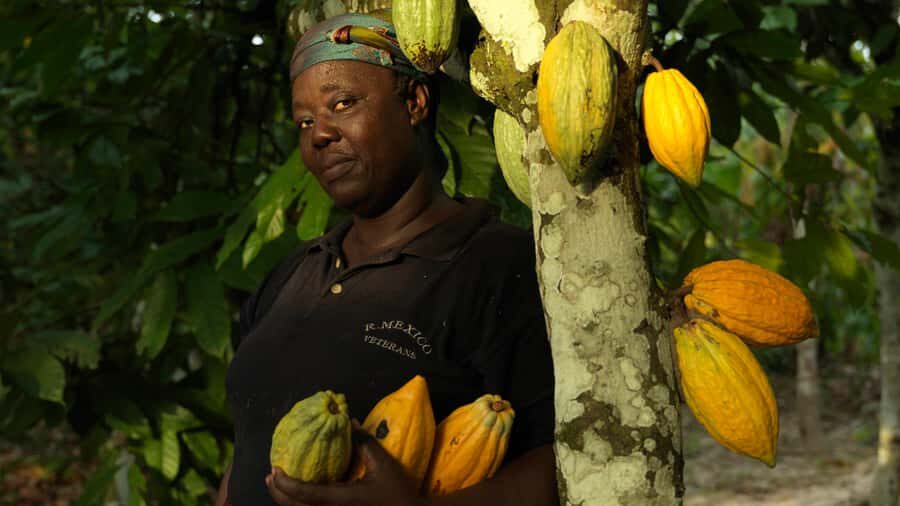
- Cocoa’s Ghana story starts with one person: learn how Tetteh Quarshie introduced cocoa to Ghana, including the 1879 planting at Mampong.
- A guided Aburi Gardens walk with a waterfall pause: it’s built for a cooler, calmer outdoor moment.
- Crafts village shopping with active artisans: you’ll see woodwork and people making items as you browse.
- Air-conditioned 4×4 cross-country transfer: hotel pickup/drop-off keeps the day simple.
- English live guide, often flexible: many guides focus on what you want to see, not just a rigid checklist.
- Bring comfy footwear: long walks in the gardens are part of the experience.
A 7-hour Aburi day that starts with pickup (and ends back home)
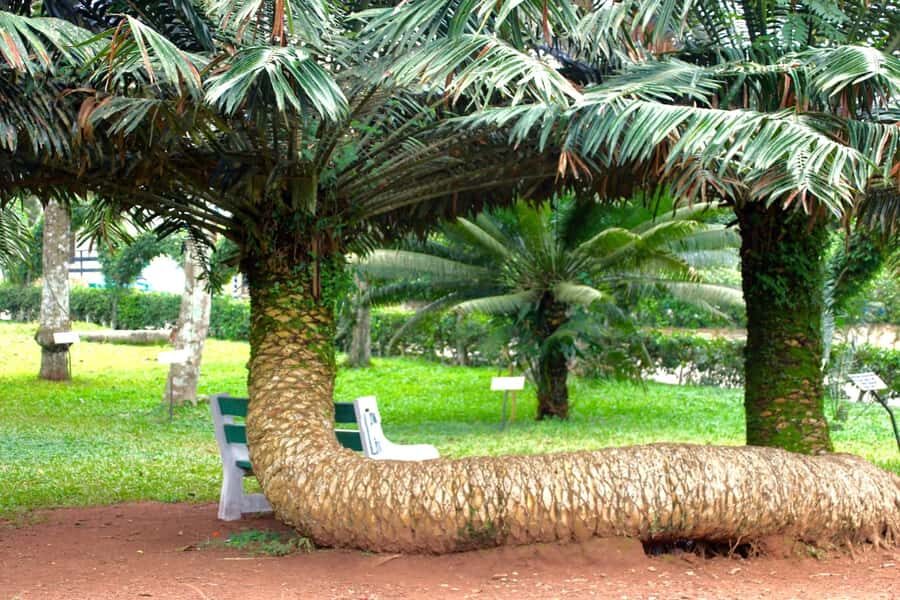
This tour is designed to feel like a day trip, not a half-day squeeze. You get hotel pickup and drop-off from Accra or Tema, then ride out toward Aburi in an air-conditioned 4×4. The total time is about 7 hours, and the flow keeps you moving without rushing every stop to death.
The practical win here is that you don’t have to figure out transport between sites. You’re picked up, you get water and snacks, and you’re with a guide who can help you understand what you’re seeing. One review also pointed out that guides can be very flexible about pickup arrangements, so if you’re coordinating with a hotel front desk, it helps to have your exact pickup point ready.
Also, note the meeting style: the driver or guide waits in a branded Kaya Tours cap or T-shirt, and you should expect a call to coordinate where to meet.
A few more Accra tours and experiences worth a look



Tetteh Quarshie Cocoa Farm: why this stop matters for your Ghana understanding
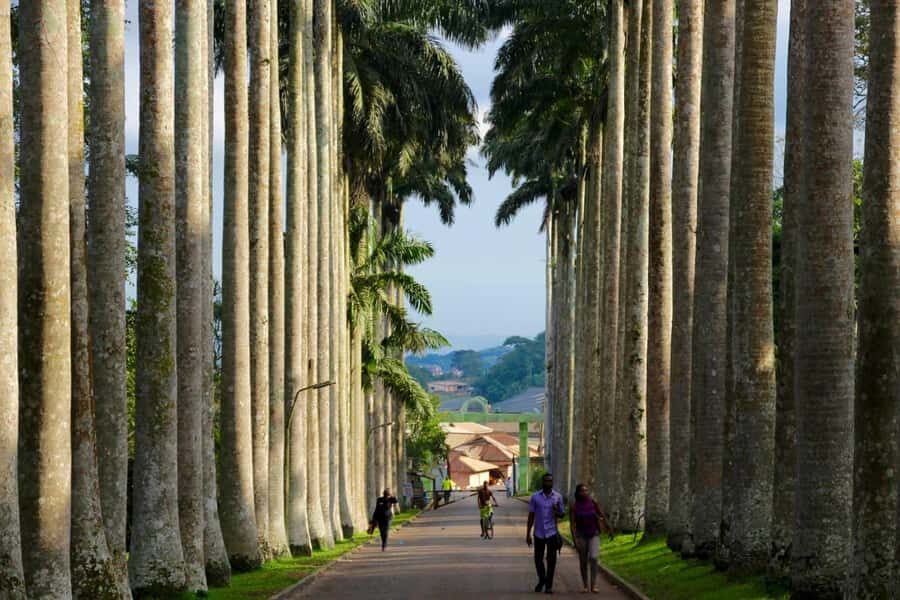
The morning begins at the Tetteh Quarshie Cocoa Farm. This is not just a quick look at trees. The point is to learn how cocoa came to Ghana in the first place, through the work of a pre-independence agriculturalist named Tetteh Quarshie.
You’ll hear that cocoa became one of Ghana’s major export crops, and then you’ll connect that impact to the original planting. One key detail you’ll likely take away is that in 1879, Tetteh Quarshie planted seeds at Mampong, with early success. That story turns cocoa from a generic product into something with real people behind it.
What I like about this kind of farm visit is that it gives you a “why” before you move on to pretty nature. When you understand how a crop traveled, adapted, and became economically important, the rest of the day clicks better. Even if you’re not a plant person, you’ll walk away with context that makes Ghana’s food and export talk feel grounded.
A small consideration: farm tours tend to involve walking and standing for explanations. If you’re sensitive to heat, plan for it. If you’re there in rainy weather, pathways can get slick, so it’s smart to keep your footing shoes on.
Aburi Botanical Gardens walk: the part where you slow down
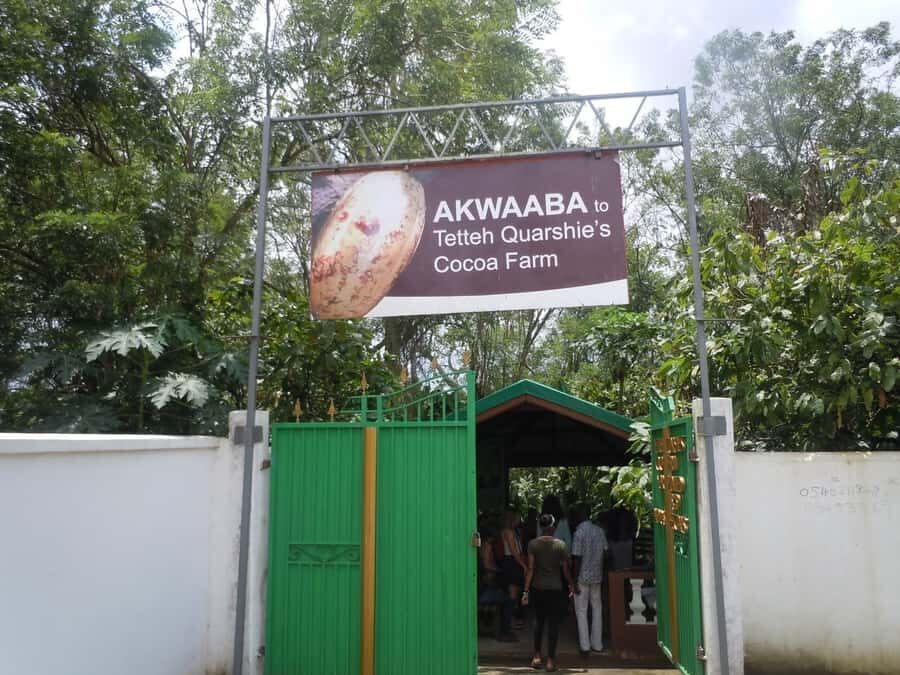
After the cocoa farm, you head to the Aburi Botanical Gardens. This is where the day turns from educational to restorative. The tour includes a refreshing walk through the gardens, giving you a chance to stretch out and enjoy the air.
One review mentioned rain at the gardens, and the guide adapted to keep the experience moving and safe. That’s a big deal in a place like this: you don’t want the whole day to collapse if the weather changes. Instead, you want a guide who keeps you oriented and gets you to each location safely.
Waterfall lovers should take note: the experience is specifically framed around the gardens and a waterfall moment. Another review described the waterfall as a little highlight of the day, so even if you don’t care about plants, the gardens walk has that cooling payoff.
Wear practical shoes here. One of the most helpful comments from the reviews was a direct one: bring trainers or shoes with grip, because the gardens involve longer walking than you might expect. If you show up in flip-flops, your day will feel like work.
Aburi Crafts Village: shop smarter, not faster
Next comes the Aburi Crafts Village, and this is where you can turn the day into something you bring home. The village is described as a decent size with many shops, and it focuses on local making—especially woodwork and artisans crafting while you shop.
You’ll find a spread of items, including clothing, jewellery, key chains, bottle openers, baskets, and furniture. There’s also a strong focus on handmade wood products, which makes it a good stop if you want gifts that don’t feel mass-produced.
Here’s how I suggest approaching it: set a budget before you walk in. When there are many shops in one place, it’s easy to keep browsing with no plan, especially if you like the look of everything. Also, take your time with the items that match your travel style. If you like functional purchases, go for things you’ll actually use (baskets, bottle openers). If you’re a collector, check the woodwork and smaller objects that are easier to pack.
One more practical note: if you’re traveling with limited space, furniture might look tempting, but large items can be hard to transport. If you see something you really want, ask how big it is and whether it can be packed safely.
The ride and the guide: what you’re paying for beyond the stops
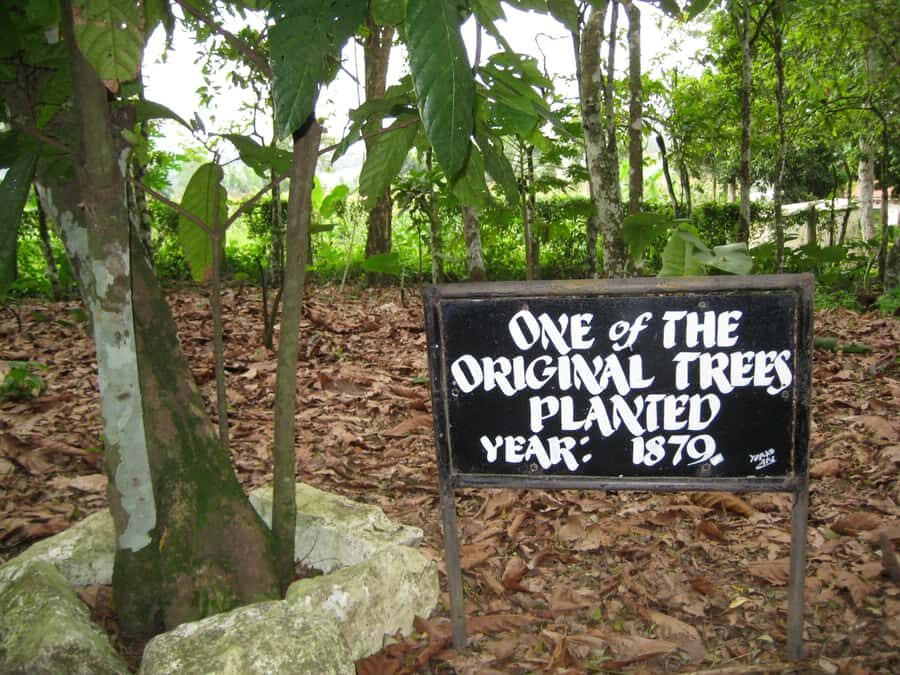
You’re not just buying access to farms and gardens. A big part of the value is the guide + transportation setup. You travel in an air-conditioned 4×4, with pickup and drop-off included, and the tour runs with an English live guide.
The reviews hint at a consistent theme: guides like Winston, Freedom, Emmanuel, Maxwell, and Ishmael were praised for different strengths—being attentive, being easy to be around, driving safely, and sharing knowledge in a way that felt comfortable. One review specifically mentioned that the guide helped tailor what the group wanted to do and that the driver was safe.
Another helpful detail from a review: Ishmael was described as knowledgeable and friendly, and also as someone who took pictures and videos during the tour and shared them afterward. You shouldn’t count on every guide to do this, but it’s worth knowing that some guide teams go the extra mile for memories.
A small reality check: because this is a day trip with multiple stops, you’ll spend time in the vehicle. That’s normal, but it’s another reason the day works best when you like a structured schedule.




Price and value: is $159 per person fair?
The price is $159 per person for a 7-hour experience. Is it worth it? For me, the “value” comes from what’s included and what would cost extra if you did it on your own.
What you’re getting that’s hard to replicate cheaply:
- Hotel pickup and drop-off (Accra or Tema)
- Entrance fees
- An English live guide
- Transport in an air-conditioned 4×4
- Water and snacks
If you try to assemble this yourself—driver, guide time, and entry fees—you’ll usually spend more and you’ll lose the rhythm of a guided day. The cocoa farm component also benefits from a guide who can explain the story around Tetteh Quarshie and what cocoa means for Ghana. Without that, you’d mostly be looking at plants and trees.
One drawback to keep in mind: the day includes walking. If you’re expecting a fully sit-down experience, this might feel too active, especially at the gardens. But if you enjoy guided sites, outdoors breaks, and some shopping time, the price feels like it buys convenience plus interpretation.
Packing tips so you don’t waste energy
This is a day where small choices can make a big difference.
- Shoes: wear something grippy and comfortable. The gardens can involve long walks.
- Light layer or rain protection: even in the dry season, weather can shift. One review mentioned rain at the gardens, and the tour still ran well thanks to the guide, but you’ll be happier prepared.
- Bring cash for crafts: the village has many shops and you’ll likely want to buy something. Not everything will be ideal if you only have a card.
- Stay hydrated: water is provided, but it’s still a long day in sun and shade changes.
- Think about souvenirs: if you plan to buy woodwork or larger items, consider how you’ll pack it before you fall in love with something.
If you do these few things, you’ll feel free instead of stressed.
Who this day trip suits best (and who should rethink it)
This tour fits best if you want a Ghana day that mixes context and atmosphere.
You’ll enjoy it if:
- You like tours where the guide explains the meaning, not just the locations.
- You’re curious about cocoa and Ghana’s export story.
- You want an outdoor walk that’s calmer than a city plan.
- You like artisan shopping where people are making things on-site.
You might want to rethink it if:
- You dislike walking or standing for explanations.
- You want only a single “big” highlight and don’t care about crafts shopping.
- You’re looking for a mostly seated experience.
The schedule is balanced, but it still moves. Think of it as a full, satisfying day rather than a slow afternoon.
Should you book the Accra Aburi Eco & Cocoa Experience?
Book it if you want a well-structured day that answers a real question—how cocoa came to Ghana—then rewards you with a nature break and a proper chance to shop local. The combination of Tetteh Quarshie Cocoa Farm, Aburi Botanical Gardens, and the Aburi Crafts Village is exactly the kind of “you learn, then you enjoy” route that makes a short trip feel longer.
Don’t book it if you’re not up for walking in the gardens or you only want one stop. Also, if you’re set on a very specific meal plan, note that the information provided clearly includes water and snacks, while lunch inclusion isn’t spelled out in the included details—so you may want to plan for your own meal.
If you like guided context, comfortable logistics, and a mix of sights, this one is a strong pick for your Aburi day.
FAQ
What is included in the price?
The tour price includes hotel pickup and drop-off and entrance fees.
How long does the tour take?
The duration is 7 hours.
Where does the pickup happen?
Pickup and drop-off are included from Accra or Tema accommodations.
What sites are visited during the day?
You’ll visit the Tetteh Quarshie Cocoa Farm, walk through the Aburi Botanical Gardens, and stop at the Aburi Crafts Village.
Is there a guide?
Yes, the tour includes a live tour guide in English.
How do you get around during the tour?
You’re transferred in an air-conditioned 4×4.
Are water and snacks provided?
Yes. You’re served water and snacks during the day.
What kind of crafts can you buy at Aburi Crafts Village?
The village includes shops with items such as clothing, jewellery, key chains, bottle openers, baskets, and furniture, with an emphasis on local woodwork and artisans crafting as you browse.
Is cancellation free?
Cancellation is free up to 24 hours in advance for a full refund.
Can I pay later?
Yes. The tour offers reserve now & pay later, so you can book without paying immediately.