REVIEW · ACCRA
Trails of the transatlantic slave trade in Ghana
Book on Viator →Operated by Tripafrica Tours · Bookable on Viator
Forts on the coast change you. This 8-day private tour traces the transatlantic slave trade across Ghana’s castles and forts, with context-building stops in Accra before you reach the shoreline sites. I like how the route ties the story to places you can actually stand in, not just names on a page.
Two standout wins for me: the mix of history stops with real-world coastal variety (stilt villages, lake canoe time, rainforest), and the human touch from the team—Nuru-Deen and Tony earn repeated praise for being professional and attentive. One consideration: this is heavy subject matter, and the coast can feel hot and humid, which one past guest flagged as the hardest part.
In This Review
- Key highlights worth your attention
- Price and value: what you’re really paying for
- Getting grounded in Accra: Pan-African context before the forts
- Osu Castle and the Nkrumah sites: a sharper lens on colonial power
- Cape Coast Castle and Assin Manso: where the story hits hardest
- Elmina’s St. George Castle and Fort St. Jago views
- Nzulezo stilt village and Fort Appollonia: history meets living culture
- Portuguese and English footprints near Axim and Busua
- Kakum National Park: a rainforest reset with a canopy walkway
- Accra Arts Centre and last-minute souvenirs
- Hotels, transport, and why the “private” part matters
- Who this tour suits best (and who should think twice)
- Should you book Trails of the Transatlantic Slave Trade in Ghana?
- FAQ
- How long is the Trails of the Transatlantic Slave Trade tour in Ghana?
- Where does the tour take place?
- What is the meeting process on arrival?
- What time does the tour start?
- Is this a private tour?
- What does the tour include?
- What is not included in the price?
- Do I get a ticket on my phone?
- What major historical sites are visited?
- Is Kakum National Park included, and what can I do there?
- Is free cancellation available?
Key highlights worth your attention
- A guided path through Ghana’s most important slave-trade sites, including UNESCO-listed Cape Coast and Elmina (St. George Castle).
- Assin Manso Ancestral Slave River Site, tied to the last-bath moment before overseas shipment.
- Nuru-Deen and Tony’s follow-through, with punctual, knowledgeable guiding and driver support.
- You get nature time without losing momentum, like Kakum’s canopy walkway and forest guide option.
- Practical comfort built into the day, including an air-conditioned car and A/C lodging across multiple overnights.
Price and value: what you’re really paying for
At $1,955 per person for about 8 days, the headline cost is not small. What you’re paying for is the structure: a private route, an insured air-conditioned car with fuel, and a professional English-speaking driver-guide moving you between sites that are spread out along Ghana’s coast. That matters here, because many key stops (castles, forts, national park) are not “walk out your hotel door” sightseeing.
You’re also paying for “less hassle” details: all fees and taxes are included, you get A/C accommodation, and breakfast is included each morning (8 breakfasts). In a trip like this, those basics keep you focused when the days turn intense.
What’s not included is also clear: international airfare, visa fees, and lunch and dinner. So I’d budget those meals separately, especially on long driving days. If you want to travel light on logistics and heavy on meaning, this price starts to look like value.
You can also read our reviews of more tours and experiences in Accra.

Getting grounded in Accra: Pan-African context before the forts
The trip starts in Accra. You’ll be met after arrival at Kotoka International Airport (Terminal 3), then sent to your hotel. That first handoff is more important than it sounds—on arrival day, you want your bearings quickly, not guesswork.
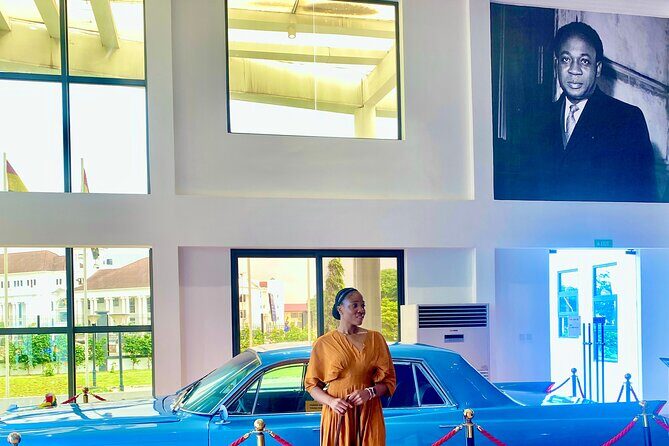
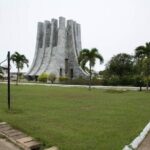
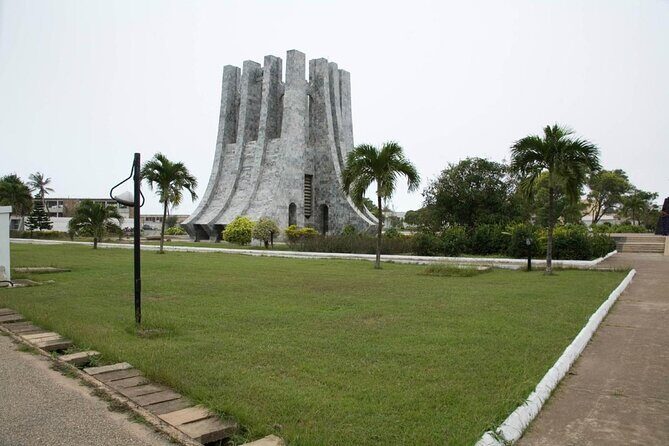
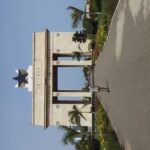
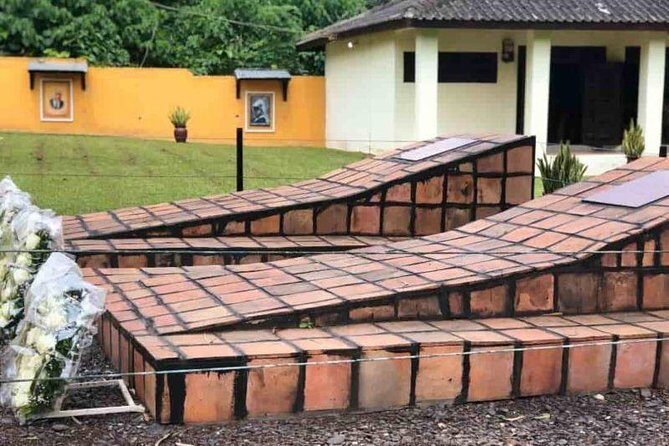
Then you shift into the wider story with stops linked to Ghana’s leadership and Pan-African thinking. The day includes time at the W.E.B. Centre for Pan-African Culture, connected to Dr. W.E.B. Du Bois, with Dr. Kwame Nkrumah involved in the mission behind the Encyclopedia Africana. From there, you head to Kwame Nkrumah Memorial Park, plus Independence Square and the Mausoleum.
I like this pacing: before you walk into castles tied to captivity, you first get language for the larger African story—identity, independence, and intellectual movement. It gives you a frame, so the forts don’t feel like random ruins. They feel like part of a bigger arc.
Osu Castle and the Nkrumah sites: a sharper lens on colonial power
Accra isn’t only about departure points. One of the early stops is Osu Castle, described as the administrative seat of the colonial governor, later becoming something else in the colonial period. Even without getting lost in dates, Osu Castle works as a grounding lesson: you see power operating from a specific building, with control expressed through administration.
Paired with Kwame Nkrumah’s commemorative sites and the W.E.B. Centre, you get a “before and after” sense of how colonial structures were felt—and how African leaders pushed back through independence and Pan-African ideas.
Practical note: this part of the trip sits in Accra’s city rhythm. If you’re the type who needs a calmer start, plan to take your time with the walking and photos. You’ll feel the coast’s heat again later, so conserve energy now.
Cape Coast Castle and Assin Manso: where the story hits hardest
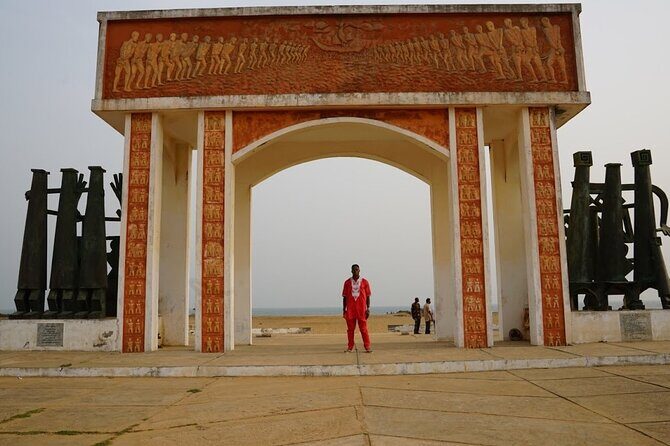
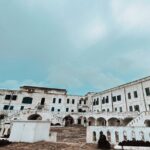
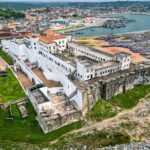
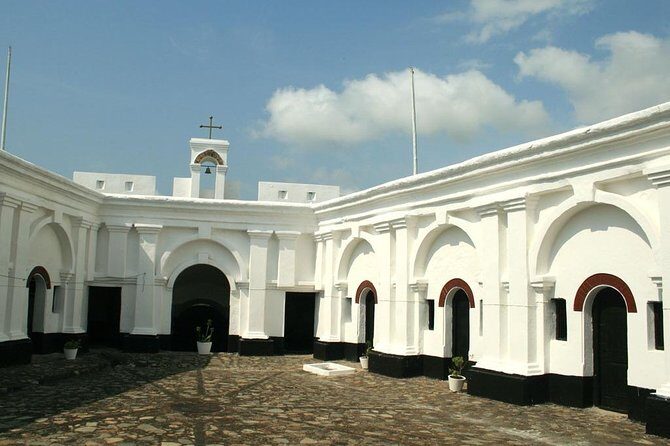
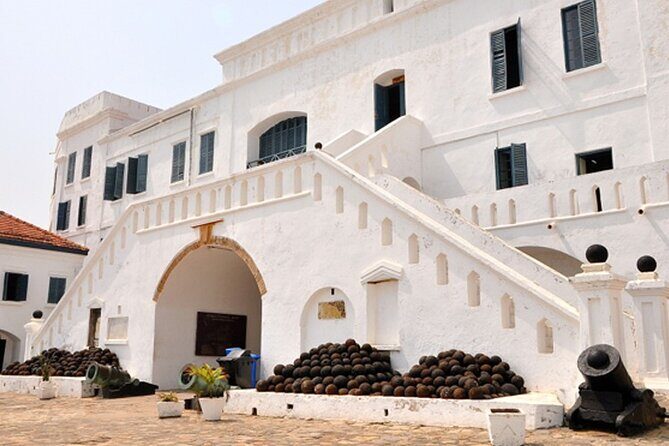
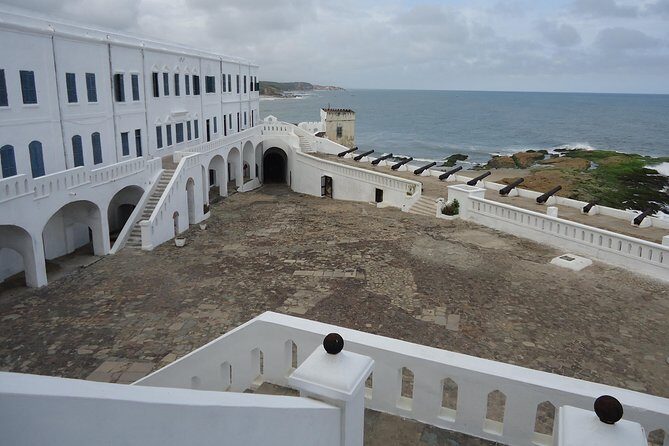
The Central Region day is built around Cape Coast Castle, a UNESCO World Heritage Site and one of Ghana’s most visited slave-trade sites. The castle is described as built in 1653 by the Swedish and later taken over by the British. That layered ownership matters, because it reinforces a hard truth: the forced trafficking system lasted across empires.
Before you reach the castle, you get a detour to Assin Manso Ancestral Slave River Site. This is the place that’s tied to the last-bath moment for enslaved people before shipment overseas. There’s also an ancestral graveyard at the facility.
Here’s why I think this stop is valuable: it interrupts the “castle-only” experience. You get a human scale to the story—something tied to the body and the final moments—before you step into the architectural system designed for confinement and transfer.
One caution: this is heavy material. If you’re sensitive to scenes of oppression and forced separation, go in with the right mindset. Wear comfortable clothes, take breaks when you need them, and don’t force yourself through every corridor if you’re overwhelmed.
Elmina’s St. George Castle and Fort St. Jago views
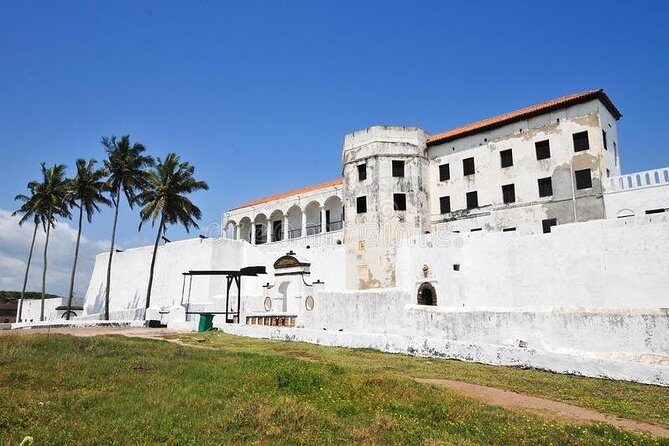
Elmina is where the route shifts from city context into coastal fortress life. You tour Elmina, then visit Elmina Slave Castle (St. George Castle), described as the biggest and oldest slave castle in Ghana and again a UNESCO World Heritage Site. That “biggest and oldest” detail matters because it changes your sense of scale—you’re not looking at a minor outpost.
After that, the day includes Fort St. Jago. It sits on a hilltop overlooking Elmina Township, so the viewpoint becomes part of the lesson. It’s hard to watch a landscape from above and not think about what was controlled below.
If you want a trip that teaches through place, Elmina delivers. And based on repeat praise, these fort stops are often the moments people remember most. That fits: they’re the core of the transatlantic slave trade route the tour is built around.

Nzulezo stilt village and Fort Appollonia: history meets living culture
After Cape Coast and Elmina, the tour deliberately shifts gears. On the way toward the Western Region, you get to Nzulezo Stilt Village via a canoe ride on the Amansari Lake. The community is built on top of the lake, and the tour includes time to explore the village itself.
This isn’t “distraction.” It’s balance. You’re seeing Ghana as a place where communities still live and build on water, not only as a place remembered through tragedy. It also adds a different pace—slower, visual, and grounded in daily life.
Back on land, you visit Fort Appollonia, built by an English merchant. It’s another reminder that European trade and control were not only happening in one port or one time. Then you overnight in Axim, with time to relax afterward.
Portuguese and English footprints near Axim and Busua
From the coast around Axim, the tour continues with Fort Santo Antonio (Fort St. Anthony), built by the Portuguese in 1515 near Axim. You then move on to Fort Batenstein in Butre.
These forts help you understand the transatlantic system as something built over time and reinforced by competing powers. Even if the exact layouts differ, the purpose of controlling access, trade, and movement shows up again and again.
Then the schedule gives you a beach break for the rest of the day. One piece of real-world advice from past guests: if beach walking or swimming is a big part of what you want, check conditions first. Humidity can be intense, too, so this stop may feel more like recovery time than leisure depending on the day.
Kakum National Park: a rainforest reset with a canopy walkway
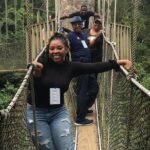
Day seven adds a nature stop that’s not just “nice to have.” Kakum National Park is a protected rainforest area, home to endangered mammals like forest elephants and monkeys. You can choose between a canopy walkway and a nature walk with a park guide.
The canopy walkway is described as hanging about 30 meters above the ground, which is a big adrenaline-friendly change from fortress walls. It also helps you reset emotionally after the historical sites.
This park break is smart for a tour like this because it gives your brain a different input channel: birds, insects, leaves overhead, a guide helping you spot movement in the trees. It’s still Ghana, but a different Ghana.
Accra Arts Centre and last-minute souvenirs
Returning to Accra brings a lighter day. After checking out, you visit a shopping center with a stop at the Accra Arts Centre, described as a large market for artifacts.
Expect the usual market rhythm: shopkeepers and hawkers will try to get your attention, and you should be ready to bargain. This is where you can pick up thoughtful souvenirs without relying on airport convenience stores.
After shopping time, there’s mention of a recreational center if time allows, then transfer to the airport for your flight home.
One practical tip I’d follow: use Ghana currency and have your denominations organized. Past guest advice suggested ATM access is common, and keeping a simple chart in your wallet makes payment easier. Also, tip staff generously and expect police checkpoints on roads.
Hotels, transport, and why the “private” part matters
This tour is private, meaning it’s only your group. That affects pace and comfort—your guide can slow down for questions, and you’re not stuck waiting for a larger group to finish.
Transport is also built into the value: an air-conditioned vehicle with fuel included. Ghana’s humidity can wear you down fast, and A/C time between stops helps you stay functional rather than exhausted. One past guest even called out humidity as the one major drawback; having that comfort between destinations is a real plus.
You’ll also have A/C accommodation across multiple overnights, which is important when you’re moving between central and western regions.
Who this tour suits best (and who should think twice)
This is a strong fit if you want:
- A structured slave-trade route through major coastal forts and castles
- Guided explanation from an English-speaking driver-guide
- A balance of intense history and non-fort breaks (Nzulezo, Kakum)
It may be less ideal if:
- You want a purely relaxed beach vacation. Beach time exists, but it’s not the main event.
- You dislike emotionally heavy content. The castles tied to captivity are central to the experience.
- You struggle with long road days. The coast-to-coast feel of the route is intentional, but it’s still a lot of movement.
Should you book Trails of the Transatlantic Slave Trade in Ghana?
If your goal is learning through place, not just reading, I’d book it. The combination of UNESCO castles (Cape Coast and St. George/Elmina), the Assin Manso last-bath site, and additional forts tied to different European powers creates a route that feels connected rather than random.
I’d also book if you value a team that shows up—Nuru-Deen and Tony are repeatedly praised for professionalism, punctuality, and responsiveness, and that matters when days are long and themes are sensitive.
The main “wait and think” flags for me are emotional intensity and humidity. If you can plan for both—by pacing yourself mentally and dressing for heat—this tour has the kind of impact that doesn’t fade after the souvenir photos.
FAQ
How long is the Trails of the Transatlantic Slave Trade tour in Ghana?
It’s an 8-day tour (approx.).
Where does the tour take place?
The tour is based in Ghana, with key stops along the coastal regions, and it ends in Accra.
What is the meeting process on arrival?
You’ll be met at Kotoka International Airport (Terminal 3) in Accra and sent to your hotel.
What time does the tour start?
The listed start time is 7:00 am.
Is this a private tour?
Yes. It’s private, and only your group will participate.
What does the tour include?
Included items are: a private insured air-conditioned car with fuel, a professional English-speaking driver-guide, all fees and taxes, 24hrs on-going support, A/C accommodation, and breakfast (8).
What is not included in the price?
International airfare/ticket, visa fees, and lunch and dinner are not included.
Do I get a ticket on my phone?
Yes, the tour provides a mobile ticket.
What major historical sites are visited?
The route includes castles tied to the transatlantic slave trade, including Cape Coast Castle and Elmina Slave Castle (St. George Castle), plus other forts and related sites.
Is Kakum National Park included, and what can I do there?
Yes. You’ll visit Kakum National Park, where you can do the canopy walkway (about 30 meters above the ground) and you can choose a nature walk with an experienced park guide.
Is free cancellation available?
Free cancellation is available. You can cancel up to 24 hours in advance of the start time for a full refund.