REVIEW · ACCRA
10 Days Trip to Cape Coast and Elmina Castles from Accra
Book on Viator →Operated by Continent Tours · Bookable on Viator
Castles and canopy walks hit hard. This 10-day circuit strings together big Pan-African sites, Ghanaian craft culture, and Kakum National Park’s treetop views, with PANAFEST sprinkled into several evenings. You also get hands-on context for the Atlantic slave trade through places like Elmina Castle and Assin Manso, with memorial moments that ask you to slow down.
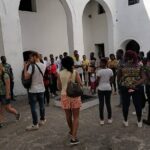
Two things I really like about this tour are the small group size (max 10) and the way the itinerary balances “learning” with “doing”: museum time in Accra and Kumasi, plus walking and ceremony time on the coast. The guides in this program have strong reputations in the past—names like Kwaku A., Elvis, George, Nee, and Joshua show up again and again in guest feedback—so you’re not just transported from sign to sign.
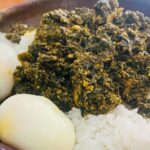
One possible drawback: this is a busy, emotionally heavy route. Expect long drives between regions and days built around major historical sites and formal remembrance, and be prepared for an all-around packed schedule. On the practical side, a few past guests also flagged that included dinners can repeat and may be spicy.
In This Review
- Key Points Worth Noting Before You Go
- The Big Picture: What This Route Actually Gives You
- Day 1 in Accra: Arrival, Akwaaba, and a Gentle Start
- Day 2: Accra’s Monument Trail, Plus Jamestown and Du Bois
- Days 3–4 in Kumasi: Prempeh II Museum and Ashanti Craft Villages
- Day 5: Cape Coast Direction, Kejetia Market, and Elmina by Night
- Day 6: Kakum National Park Choices—Canopy Walkway or Forest Walk
- Day 7: Elmina Castle (St. George’s) and a Memorial Ceremony on the Beach
- Day 8: Assin Manso Slave Market and the River Site
- Day 9: Emancipation Day Durbar, Fontomfrom Drums, and Farewell Dinner
- PANAFEST in This Itinerary: How the Festival Fits Without Hijacking the Route
- Price and Logistics: What You’re Paying For at $4,695 Per Person
- What to Pack and How to Think About the Emotional Weight
- Should You Book This Accra to Cape Coast and Elmina Tour?
- FAQ
- How long is the trip and what time does it start?
- How much does the tour cost per person?
- What’s included in the price?
- What’s not included?
- What options do I have at Kakum National Park?
- How many people are in the group?
Key Points Worth Noting Before You Go
- Small-group feel (max 10 travelers) with a private vehicle and an experienced local guide
- Accra orientation + Jamestown context before you hit the big monuments
- Ashanti craft villages you can watch and buy from, not just pass by
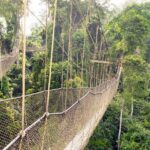
- Kakum National Park options including a canopy walkway with seven bridges, plus a shorter 2 km nature walk
- Elmina Castle memorial ceremony with bread, a candle wreath, and a moment of silence
- Assin Manso Emancipation Day moments featuring a grand durbar and fontomfrom drumming
The Big Picture: What This Route Actually Gives You
This trip works because it doesn’t treat Ghana like a checklist. It threads together multiple Ghana stories—Ga culture around Accra, Ashanti crafts and kingship culture in Kumasi, then the coast’s Atlantic history around Cape Coast and Elmina—so you see how different parts of the country speak to the same human themes: power, trade, survival, and remembrance.
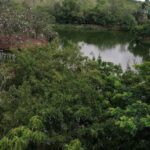
It also gives you a physical break from “museum brain.” Kakum National Park is the change of pace. You’re still in a story, but now it’s birds, butterflies, medicinal plants, and forest-floor walking, plus that famous canopy walkway that turns the treetops into a viewpoint.
And because PANAFEST is built into several days, you’re not only learning the historical side—you’re also seeing Ghana’s living cultural expression show up in the evenings.
You can also read our reviews of more tours and experiences in Accra.

Day 1 in Accra: Arrival, Akwaaba, and a Gentle Start
On day 1 you land at Kotoka International Airport, clear immigration and customs, and meet the cultural guide for transfer to your hotel. This matters more than it sounds. A smooth handoff reduces the “jet lag chaos” that can otherwise eat the first day.
After check-in, you get Akwaaba (welcome) and a briefing on what’s coming next. Then the rest of the day is yours to refresh—no pressure to cram in extra stops before you’re ready.
Dinner is included, and you’ll also start building that daily rhythm the itinerary uses: breakfast included every day, then a full day of touring, and dinners handled for most evenings.
Day 2: Accra’s Monument Trail, Plus Jamestown and Du Bois
Day 2 is where the tour sets its tone: a history-and-customs orientation, then major sites tied to Ghana’s independence and Pan-African thinking.
You start at the W.E.B. Du Bois Centre, which honors the life of the prominent Pan-Africanist who chose to live and work in Ghana. That’s a smart first anchor. It frames what you’re about to see as more than local politics—it connects Ghana to wider Black history and movements.
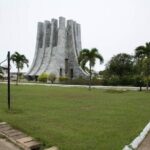
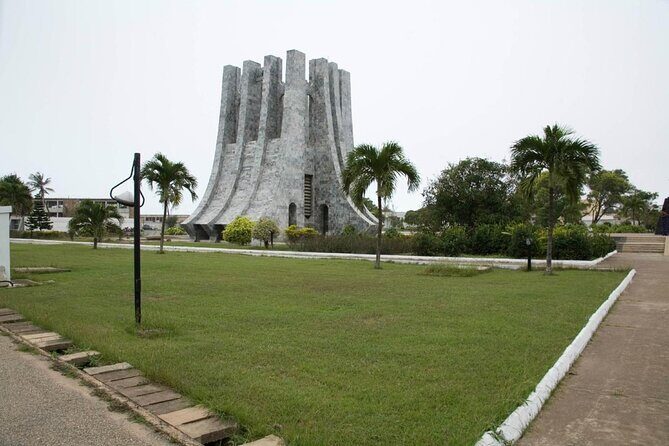
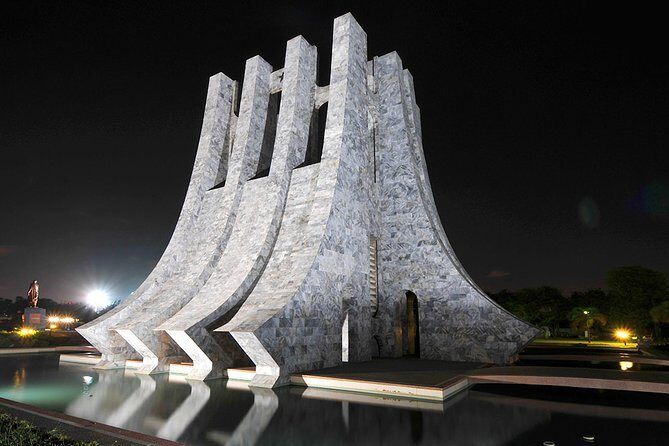
Then you move to Independence Square to see the enclosed flame of African Liberation, which Dr. Kwame Nkrumah lit in 1961. Next, the tour’s highlights mention the Jamestown fishing community and the lighthouse area, plus places like Brazil House. Even if you’re not a history buff, you’ll feel the contrast: modern Accra nearby, then the older coastal community rhythms right alongside the political monuments.
A small caution: day 2 is designed to get you oriented fast. If you’re the type who likes quiet at the start of a trip, plan to pace yourself after the orientation and let the morning settle in.
Days 3–4 in Kumasi: Prempeh II Museum and Ashanti Craft Villages
After breakfast on day 3, you head from Accra to Kumasi, the seat of the Ashanti Empire. The drive itself is part of the immersion, because Kumasi isn’t presented as a side stop—it’s treated as the heart of another Ghana story.
In Kumasi, the focus turns to culture through institutions. You visit the National Cultural Center and the Prempeh II Jubilee Museum. This is named for the former Asantehene, and it’s paired with studio-style arts viewing—things like brass making, pottery, and batik craft work are part of what the National Cultural Center highlights.
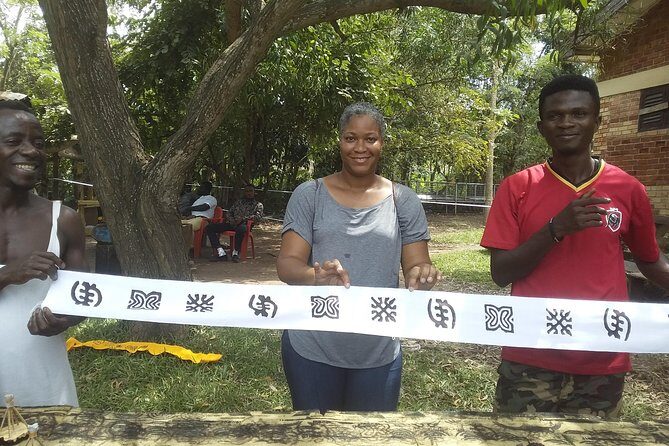
Day 4 goes practical and hands-on: Ashanti craft villages. You visit Ahwiaa, known for woodcarving royal stools, walking sticks, and fertility dolls. You then go to Ntonso for Adinkra textile work, where cloth gets hand-stamped with patterns. After that, Bonwire is where kente cloth is made on looms in a tradition passed down through generations.
This is also a good shopping day, but with guidance. You’ll be less likely to end up with random souvenirs because you’re seeing the process. And that makes the purchases feel like part of the story instead of an impulse buy.
Day 5: Cape Coast Direction, Kejetia Market, and Elmina by Night
Day 5 turns the page from inland culture to coastal life. You finish up the Kumasi touring, then depart late morning for Cape Coast, with a drive through Accra-to-coast style geography and the big Ashanti city beats along the way.
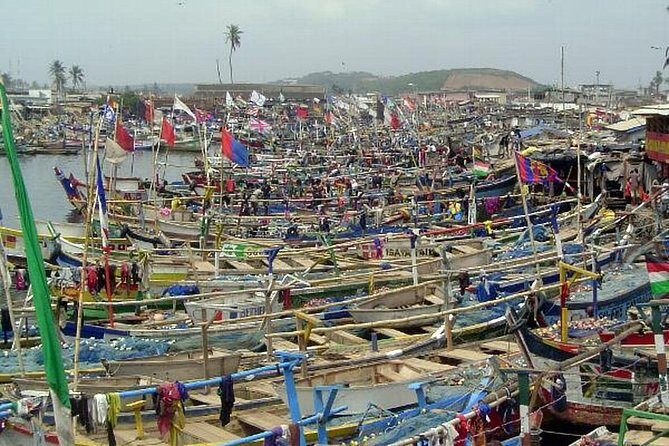
You pass by monuments tied to Ashanti memory and drive past Kejetia Market, which is described as the most dynamic market in West Africa. Later, in the evening, the itinerary shifts to Elmina. You get a guided tour of Elmina Township with a stop near the harbor where you’ll see fishing canoes ready for another night’s work.
I like this sequencing. It keeps the coast from being only “sad sites.” You see working life and color first, then the heavy history is set up to land later with more emotional context.
Day 6: Kakum National Park Choices—Canopy Walkway or Forest Walk
Kakum National Park is day 6’s main event, and you get options, which is rare and valuable on a tour this packed.
After breakfast you can either relax at the hotel pool or take a dip in the ocean, or you can go to the park. If you choose Kakum, the tour includes a walking experience that’s designed to teach as well as entertain: you can see birds and butterflies, and there’s talk of medicinal values tied to forest plants. You also learn how ancestors lived in the forest.
The headline here is the canopy walkway: a 1000-foot-long, seven-bridge route with viewing platforms reaching heights of over 150 feet. If you’re curious about forest views, this is the moment people remember because it transforms the park from “trees around you” into a perspective above the forest.
If heights aren’t your thing, there’s also a 2 km nature walk option. That’s a practical backup that keeps the day from turning into a forced choice.
That “either/or” flexibility is a real quality-of-life feature. It helps you manage energy for the days that follow.
Day 7: Elmina Castle (St. George’s) and a Memorial Ceremony on the Beach
Day 7 is where the tour becomes solemn.
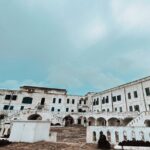
You visit Elmina Castle, originally known as St. George’s Castle. The program frames it as the first European structure built in Sub-Saharan Africa, then you explore the grounds and rooms full of haunting history.
But it’s not just sightseeing. You stroll down to the beach for a memorial ceremony where each person throws bread into the waters in remembrance of ancestors. A wreath with a candle is cast out, and there’s a moment of silence.
This part is handled in a way that asks for respect, not just spectacle. If you’re prone to rushing through difficult subjects, slow down here. The power of this tour comes from how it gives you a built-in pause.
After the castle experience, the itinerary includes attending scheduled PANAFEST activities with your guide. That pairing can feel strange in a good way—it shows how remembrance and celebration can exist in the same trip without canceling each other out.
Day 8: Assin Manso Slave Market and the River Site
Day 8 shifts attention to Assin Manso, focusing on the Slave River site and the burial context of two former slaves from the U.S. and Jamaica. Their remains were re-interred in August 1998 during Ghana’s first Emancipation Day celebration.
This is the kind of stop that changes how you interpret the word middle passage. You see the “transit” process described by the site: captured Africans were washed before being confined in the slave castles, then stored until shipment to the Americas and the Caribbean.
Again, the tour includes scheduled PANAFEST activities in the evening. That matters because the tour isn’t trying to leave you stuck in heaviness. It keeps Ghana’s present-day culture in the mix.
A consideration for you: if you’re sensitive to difficult history, plan to bring your own coping rhythm. This itinerary gives you guided structure, but the material is still intense.
Day 9: Emancipation Day Durbar, Fontomfrom Drums, and Farewell Dinner
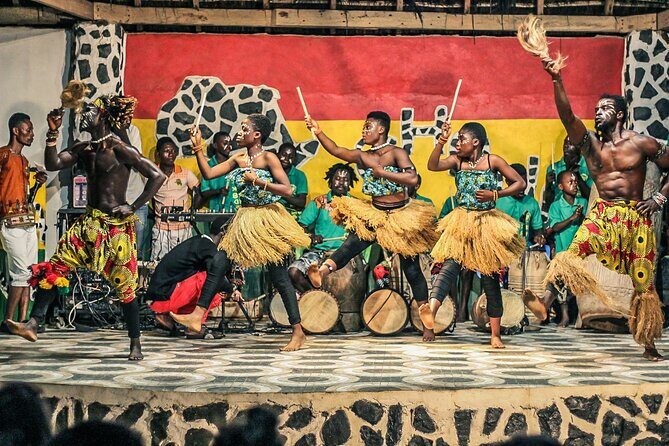
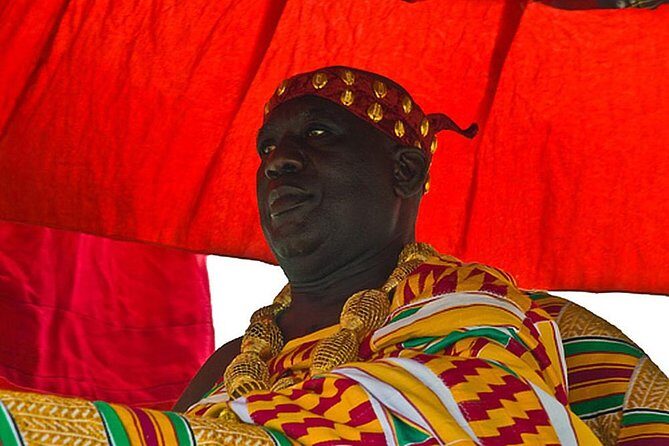
Day 9 returns to Assin Manso for Emancipation Day celebration. The itinerary includes a grand durbar of traditional chiefs and people of the Central Region. It’s described as colorful and spectacular, with chiefs dressed in fine ceremonial traditional clothing, adorned with gold jewelry and beads.
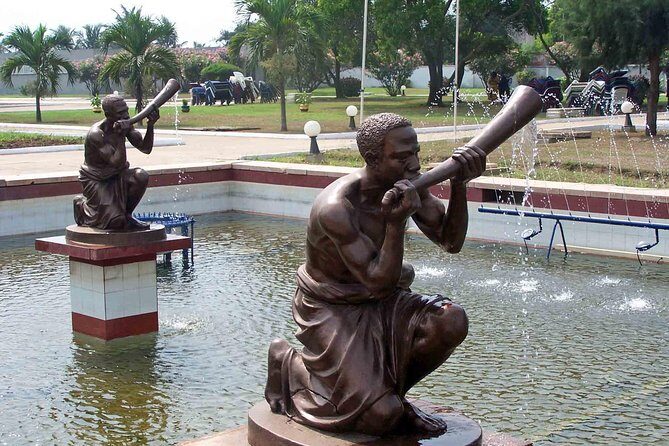
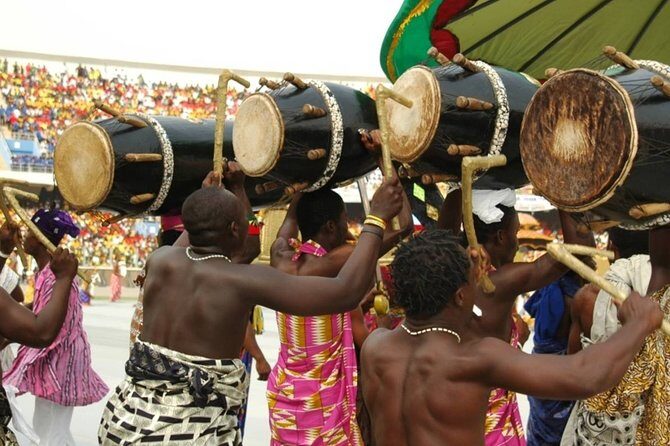
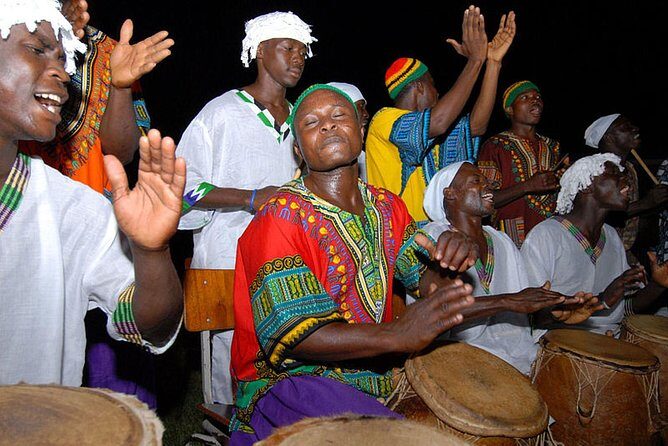
You’ll also dance to the beat of fontomfrom drums. That’s a very practical reminder that emancipation isn’t only a date on a plaque—it’s tied to ritual, music, community, and public memory.
The evening ends with a farewell dinner at your hotel. From a trip-planning angle, that’s a smart way to close the story: you reflect before you pack your bags.
PANAFEST in This Itinerary: How the Festival Fits Without Hijacking the Route
PANAFEST isn’t treated like an optional side quest. It appears in multiple evenings (day 6 through day 9), and it’s paired directly with the tour’s main themes.
So instead of hopping off to a dance festival while your history days float separately, the evenings reinforce the big picture: a Black Atlantic story, then Ghana’s living expressions in music, ceremony, and public life.
One practical tip for you: festival nights can mean late energy and slightly altered pacing. The tour handles it by keeping the days structured around daytime touring and the evenings around scheduled activities, but your comfort will depend on how your body handles long days.
Also, because PANAFEST activities are described as scheduled rather than listed line by line, you’ll want to stay flexible in what you do after dinner.
Price and Logistics: What You’re Paying For at $4,695 Per Person
At $4,695 per person, the headline number is big. But the value here is that you’re paying for a lot of the difficult-to-organize pieces: airport and hotel transfers, private transportation in a vehicle, an experienced guide, and hotel accommodations in the indicated properties.
You also get meals structured in a predictable way: breakfast daily (9 breakfasts listed) and dinner daily (9 dinners listed, with dinner included on day 1). Bottled water is provided per person per day. Admissions are included for the listed key sites and park visits.
The “mobile ticket” detail also matters for smooth access and less friction once you’re on the ground.
If you’re trying to compare value, use this rule of thumb: if you’d otherwise have to pay separately for private transport, guide time, most park/museum entries, and nearly all meals, this package price starts to look more reasonable. This is especially true because you’re doing multiple regions: Accra and Kumasi, then the coast around Cape Coast/Elmina.
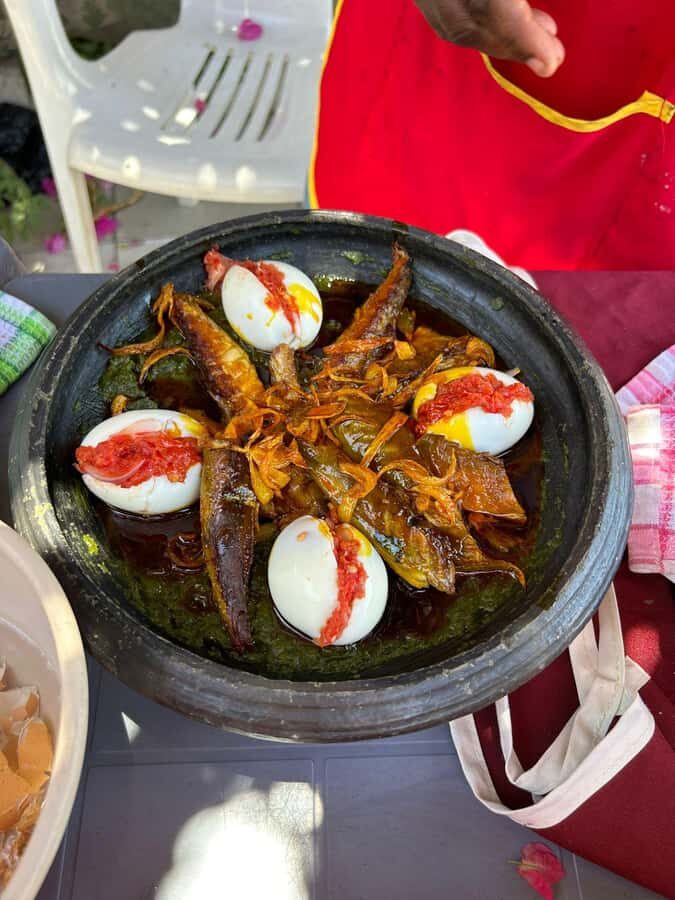
A quick practical note: past guests have praised the guides and safety, and some have mentioned areas to improve like repetitive dinner menus or spiciness. If you have strong food preferences, mention it early to get more tailored options when possible.
What to Pack and How to Think About the Emotional Weight
You don’t need a special “tour wardrobe,” but you do need the right mindset.
You’ll spend time inside museums and castles and then participate in memorial-style moments. That means you’ll want to dress respectfully and wear something comfortable enough for walking and standing during ceremonies.
For Kakum, decide early how you feel about height. If you’re unsure, the 2 km nature walk option gives you a path forward without forcing a canopy choice. Either way, bring light layers because forest and coastal air can shift.
Finally, build in small moments for yourself. The itinerary is organized and guided, but it’s still your trip. Pause when you need to, especially on days like Elmina Castle and Assin Manso.
Should You Book This Accra to Cape Coast and Elmina Tour?
Book it if you want a guided, small-group route that links Ghana’s people, crafts, and Atlantic history in a structured way. This is a strong pick if you care about meaning, not just photos—and if you want Kakum’s canopy views as a clear break from the museums.
Skip it or reconsider if you hate tight schedules and long driving days. Also, if you know you won’t handle emotional historical sites well, this itinerary asks for stamina on day 7 and day 8. On the food side, if you dislike spicy meals or repetitive menus, you’ll want to communicate preferences.
If you do book, I’d make one decision up front: choose Kakum based on how you want to feel that day—canopy for the dramatic viewpoint, or the 2 km walk for a calmer pace.
FAQ
How long is the trip and what time does it start?
The tour is approximately 10 days. The start time is 8:30 am, with the meeting point at Kotoka International Airport in Accra.
How much does the tour cost per person?
The price is $4,695.00 per person.
What’s included in the price?
Included items are meeting and assistance upon arrival and departure, round-trip airport and hotel transfers, hotel accommodation, private vehicle transportation, an experienced tour guide, breakfast daily and dinner daily as listed, bottled water per person per day, and admission tickets for the listed stops.
What’s not included?
Not included are visas and round-trip international flights, travel insurance, gratuity for the driver and guide, meals not listed in the itinerary, and personal expenses.
What options do I have at Kakum National Park?
You can relax at your hotel pool or go to Kakum National Park. At the park, you can take a walking tour on the forest floor and do the canopy walkway, or choose a 2 km nature walk through the forest.
How many people are in the group?
The tour has a maximum of 10 travelers.