REVIEW · ACCRA
10 Day Ghana Adventure and Culture Tour
Book on Viator →Operated by Timeh Tours · Bookable on Viator
Ghana packs adventure into culture, and it works. This 10-day circuit starts in Accra, then swings into the Volta Region for real physical activities before moving inland for Ashanti heritage and out to the coast for Cape Coast and Elmina. You get a certified guide, air-conditioned transport, and day-by-day structure that keeps the chaos low and the memories high—especially with the guide Jojo, who’s known for being helpful and keeping things moving at the right pace.
Two things I like a lot: first, the itinerary isn’t just sightseeing. You’ll tackle hikes, abseiling, paintball, kayaking, and waterfall walking—so you’re actively seeing Ghana, not just passing it by. Second, the craft-and-people stops are specific and hands-on, from Kente weaving and Adinkra stamping to pottery work and canoe time on Lake Bosumtwi.
One thing to consider: this is built for people with at least moderate fitness, and some days involve strenuous walking (including Mount Afadjato). Also, the experience depends on good weather, especially around the outdoor parts.
In This Review
- Key highlights worth planning for
- Arriving in Accra: AKWAABA welcome, air-conditioned comfort, and quick city orientation
- Independence Square to Oxford Street: the Accra culture corridor in two beats
- Atimpoku Volta River action: paintball, a 100-ft abseil, and 4 km on the water
- Tafi Atome monkeys and Ewe Kente village: sacred forest, craft work, and Wli’s waterfall hike
- Wli Waterfalls, Afadjato trek, and Kpando pottery: one day, three different kinds of effort
- Kente and Adinkra crafts in the Ashanti region: Ntonso stamping and optional naming ceremony
- Ashanti Palace museums and Lake Bosumtwi canoe time: from Komfo Anokye to meteorite-lake calm
- Cape Coast history day: Slave River, Cape Coast Castle, and Door of Return option
- Kakum canopy walkway and Elmina fishing village: birds in the morning, beach time after
- Final day in Cape Coast then back to Accra: Posuban shrine stop and airport drop
- Price and value: what you’re paying for at $2,595.50 per person
- Who should book this trip, and how to prepare for the active days
- Should you book Timeh Tours’ Ghana Adventure and Culture circuit?
- FAQ
- FAQ
- Is pickup offered for this Accra-based Ghana tour?
- How long is the tour and when does it run?
- What’s included in the price?
- What’s not included?
- Is this a private tour?
- Do I need a moderate fitness level?
- Are any activities dependent on weather?
- What if I cancel last-minute?
Key highlights worth planning for

- Certified guide support (including Jojo): clear explanations and smooth pacing across multiple regions.
- Real adventure, not a token stop: Volta River paintball, a 100-ft abseil, and a multi-kilometer kayak outing.
- Hands-on Ghanaian crafts: watch Kente weaving, try Adinkra stamping, and see how items get made.
- A serious coastal history day: Cape Coast and Assin Manso Slave River are included, with optional ceremony add-ons.
- Forest-to-coast contrast: Kakum canopy walkway in the morning, then Elmina’s fishing village and beach downtime after.
Arriving in Accra: AKWAABA welcome, air-conditioned comfort, and quick city orientation
Your trip starts when you land at Kotoka International Airport. A pre-arranged arrival greeting sets the tone, followed by an air-conditioned ride to a hotel where you can unwind and reset. If timing allows, you also get a short orientation around Accra—useful on Day 1 because it helps you understand where you are and how the city flows before you start hopping to more places.
Day 1 includes a stop at Accra Mall, which sounds simple, but it’s a smart way to transition from travel mode to tour mode. You’re not immediately thrown into long drives or complex navigation. You can get your bearings, grab basic needs, and get ready for the cultural push that comes next.
If you’re the type who hates arriving somewhere and spending your first evening figuring things out, this is a good start. It’s also a nice fit for families or mixed-age groups as long as everyone is comfortable with the mild “first day” rhythm: arrival, transfer, then a light orientation if your schedule lines up.
You can also read our reviews of more tours and experiences in Accra.

Independence Square to Oxford Street: the Accra culture corridor in two beats
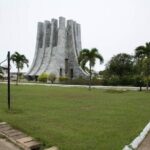
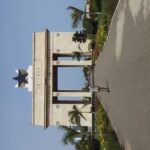
Day 2 gives you Ghana’s independence story in a focused way. The stop at Kwame Nkrumah Memorial Park centers on the Kwame Nkrumah Monument and Independence Square. This isn’t just a photo stop—it’s a concentrated introduction to the political story that shapes modern Ghana, especially if you’ve never visited before.
Then the tour shifts into practical culture and community space. You’ll get time around local products and shopping at the Arts Center, where drumming lessons are offered. That’s a great combo: you can buy something if you want, but you also get the option to learn a skill you’ll remember later. After that, the W.E.B. Du Bois Center connects Pan-African ideas to Ghana’s story in a way that feels grounded, not abstract.
Finally, Oxford Street rounds out the day. You’ll spend time in Accra’s nightlife area at your own pace. This is one of those stops that works even if you don’t plan to party. You still get a feel for what the city does after dark—busy, social, and human-scale.
A small consideration: Oxford Street is “at your own expense,” so budget for snacks or drinks if you stop anywhere. It’s optional energy, not a paid experience included in the tour.
Atimpoku Volta River action: paintball, a 100-ft abseil, and 4 km on the water
Day 3 is the definition of a strong start—an early push out toward the Volta River area, with arrival around 8:30 AM in Akosombo. The day is structured so you’re not just stuck waiting around. You pack appropriately for the activities, and once you arrive, you move into adventure mode.
The river hike begins with a trip to the Volta’s banks. It sets your body up for the action that follows. Then comes paintballing, which is a fun change from sightseeing. It also gives you a reason to be alert and present, not passive.
After paintball, you get the highlight that many active travelers come for: an exhilarating abseil down a 100-ft Vulcan Rock. That’s not an easy add-on, and it’s also not “stand next to something dramatic.” You’ll be doing it, with the group and guide managing the flow.
Then you cap the day with a 4 km kayaking experience on the Volta River. Kayaking is a great way to slow things down after adrenaline. Instead of sprinting from one landmark to the next, you’re moving at a human pace across water, which tends to feel peaceful even when the morning was intense.
Practical note: this is a full day, so bring a change of clothes and plan for wet gear. The tour runs on schedules and activity blocks, not long, empty buffers.
Tafi Atome monkeys and Ewe Kente village: sacred forest, craft work, and Wli’s waterfall hike
Day 4 mixes conservation, culture, and nature—without turning it into a free-for-all. You begin with relaxation time on the Volta River banks, including the option for a swim. That small window matters because it balances the day: you get to be active later, but you’re not rushing from breakfast straight into harder hiking.
Then you head to the Volta Region, where the Tafi Atome Monkey Sanctuary offers a powerful contrast. It’s a traditional sacred grove that preserves the natural habitat of Mona monkeys. You’re not just looking at animals through a fence. The setting is part of the experience, and it’s calmer than many “attraction” styles.
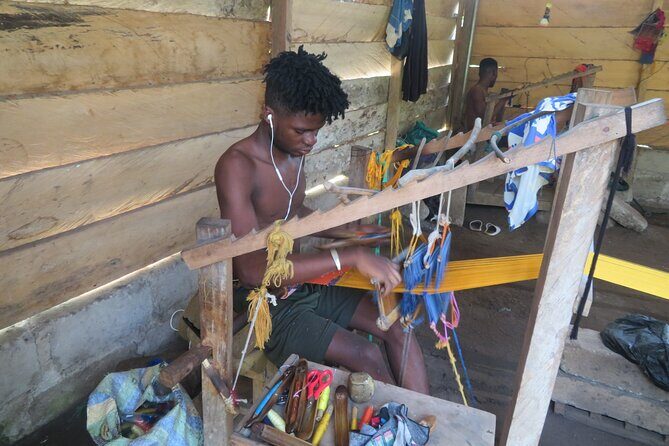
From there, you visit Tafi Abuife Kente Village to see Ewe-style Kente cloth. This isn’t limited to watching from far away. You’ll experience the Kente-making process firsthand and browse styles if you want to purchase.
The day continues toward Wli Waterfalls, known as the highest waterfall in West Africa. You’ll likely feel the change in terrain as you move into the area, and the waterfall becomes your day’s nature anchor.
A consideration: if you pick the more challenging option at Wli later in the trip, expect that the hike can feel serious. You’re not just taking a short walk to a viewing platform.
Wli Waterfalls, Afadjato trek, and Kpando pottery: one day, three different kinds of effort
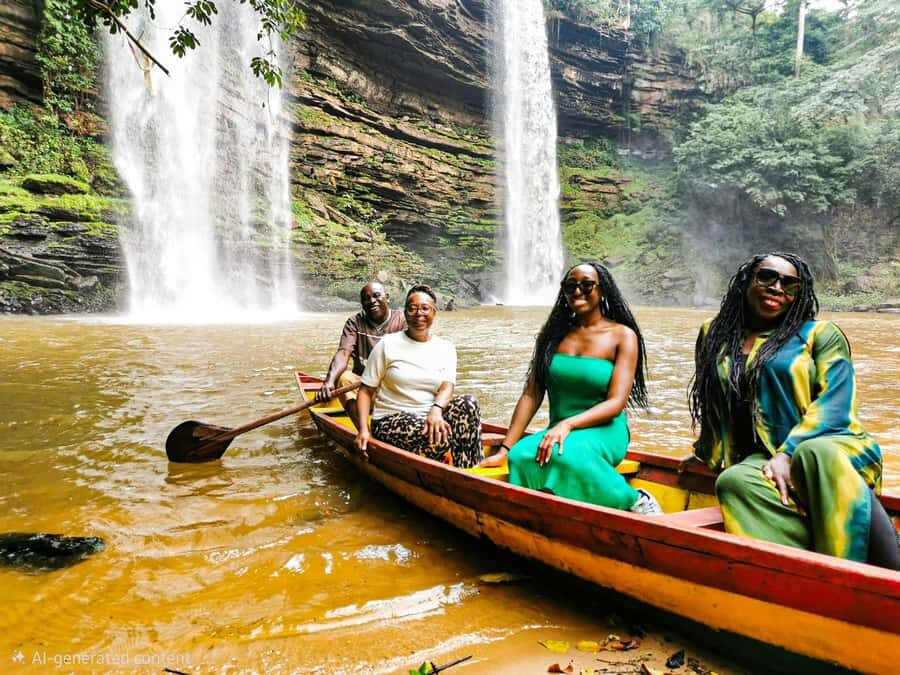
Day 5 is outdoors and hands-on in equal measure. The morning begins with a hike through tropical forest to Wli Waterfalls. You can choose between a more challenging hike leading to the upper falls or a swim at the lower falls for a softer start. Either choice still puts you in the forest setting, but the energy level changes.
Then, if you’re up for more work, the day can include a trek to Mount Afadjato, described as West Africa’s highest peak. This is the kind of climb that rewards steady effort with wide views at the end. The tour frames it with a local saying—if you conquer Afadjato, you can conquer the world—because it’s meant to be a milestone day, not a stroll.
After that, you travel to Kpando to visit a women’s pottery cooperative. You’ll observe traditional ceramic production in a working setting. This is one of those stops that feels valuable because it shows skill as daily work, not staged performance.
If your legs are already tired from Wli, this day can still be a lot. It’s not just walking; it’s the overall rhythm—travel, activity, then more travel. Plan to rest well when the day ends.

Kente and Adinkra crafts in the Ashanti region: Ntonso stamping and optional naming ceremony
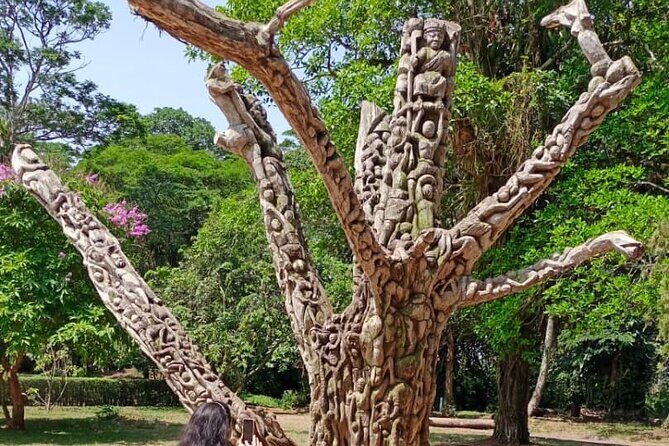
Day 6 shifts you toward Ashanti Kingdom areas, and it leans hard into traditional textiles and identity. You start with calmer time by the Volta River—watching fishermen arrive with early catch, plus the option to swim or unwind.
Then the tour stops at Adanwomase, noted for authentic Kente. You’ll witness the weaving process firsthand. If you want to go deeper, there’s an optional traditional Naming Ceremony at the Chief’s palace, with drumming and dancing, and you’d be draped in Kente for that ceremony. It’s an additional fee, but for many people it becomes one of their most memorable cultural moments.
Next comes Ntonso Adinkra Craftsmen and the village experience built around Adinkra stamping. You’ll create your own textile strip by stamping symbols, each carrying meaning. This is a hands-on “take something home” experience that doesn’t feel like a souvenir factory.
And if you’re trying to buy responsibly, this sort of stop helps. You’re seeing how the symbols and cloth connect to culture before you decide what to purchase.
One practical caution: optional ceremonies add time. If you’re sensitive to long days, confirm timing with your guide so you know what’s flexible and what isn’t.
Ashanti Palace museums and Lake Bosumtwi canoe time: from Komfo Anokye to meteorite-lake calm
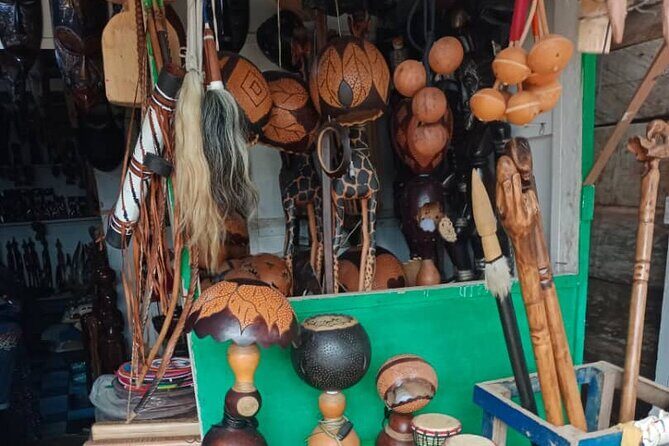
Day 7 begins with Ashanti depth. You visit Manhyia Palace, the official residence of the Ashanti King, and then you spend time at the National Cultural Center. There you can see the Komfo Anokye sword, described as an important Ashanti symbol.
This day gives you structure: palace and museum in the morning, then lake time in the afternoon. That pairing works well because it changes your pace. You go from interpreting heritage in buildings and exhibits to experiencing nature on the water.
Then you head to Lake Bosumtwi, described as Africa’s largest meteorite impact lake. You get a canoe ride with a local guide. There’s also an option for a horse ride to explore more around the area, depending on what you want to do.
The biggest value here is contrast. After days of textiles and craft work, the lake experience adds space to breathe. If you’re the type who starts feeling “tour fatigue,” this day is a good pressure release.
Cape Coast history day: Slave River, Cape Coast Castle, and Door of Return option
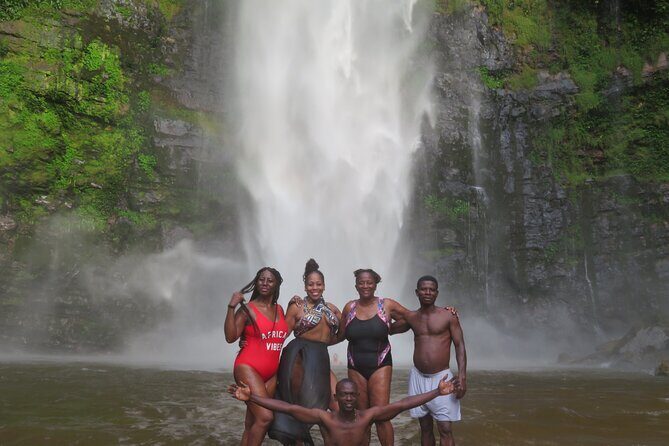
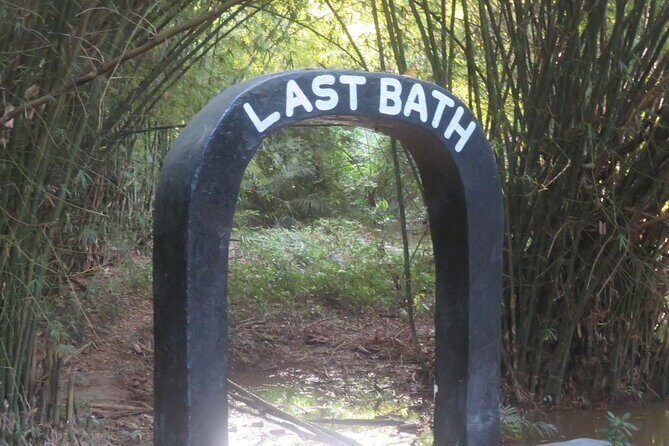
Day 8 is the emotional center of the coastal part of the trip. You travel to Cape Coast and make an important stop at Assin Manso Slave River, described as a former slave cemetery and market. The tour includes the slavery path perspective, including how enslaved people were processed before shipping.
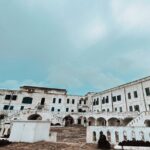
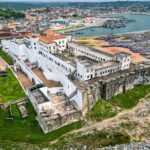
Next is Cape Coast Castle, a former slave dungeon tied to the African Diaspora. You’ll see the sites connected to captivity and waiting. The emotional weight is real, so don’t schedule this day if you already know you hate heavy history. But if you can handle it with respect, this is a critical part of understanding Ghana’s role in the broader story.
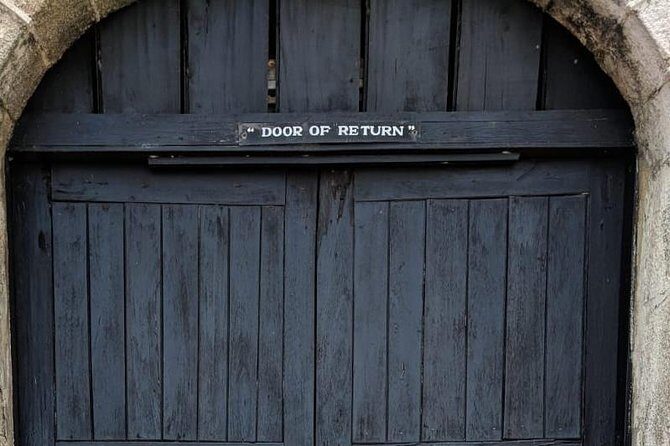
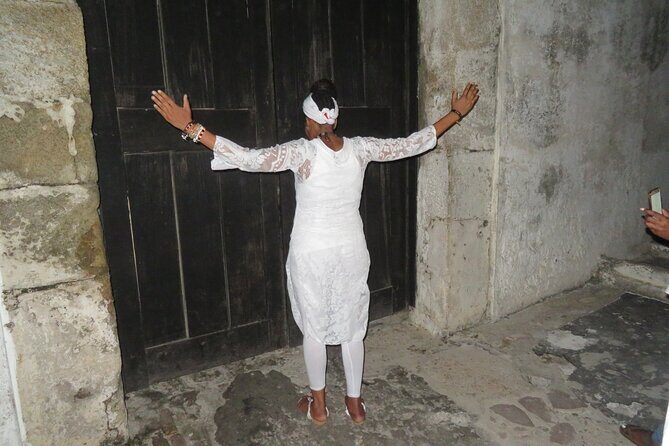
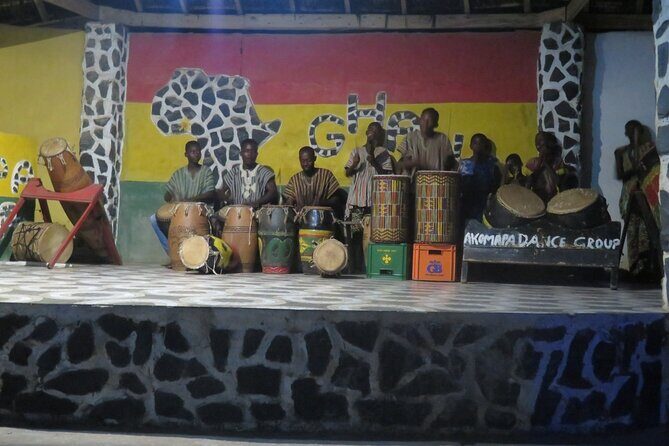
The tour also offers optional add-ons: a Door of Return ceremony for an additional fee, plus an evening cultural performance that’s also an extra-cost item. These are the kinds of options that let you choose your intensity level. You can take part or keep it simple and focus on the historical sites.
A practical consideration: bring something you can handle emotionally on a walking tour through heavy spaces—water, a hat, and a calm mindset.
Kakum canopy walkway and Elmina fishing village: birds in the morning, beach time after
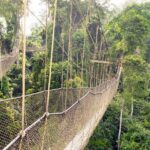
Day 9 is a big contrast to Cape Coast. You start at Kakum National Park, described as Ghana’s most popular attraction and famous for its canopy walkway. It’s also noted as a strong birdwatching area, so if you have binoculars, bring them.
From there, you head to Elmina, specifically the fishing village and historic port area. You’ll do a walking tour with stops at smaller sites like Fort San Jago and viewpoints for Elmina Castle. Note that an Elmina Castle tour has an additional fee.
Then you get time with the fishing community: colorful boats, market women, and the ongoing rhythm of morning catch. Even if you’re not buying anything, it’s a grounded look at daily life.
In the afternoon, you return to the beach to relax for the rest of the day. This is valuable because it prevents the trip from feeling like constant motion. You’ve earned some downtime.
One small drawback to expect: you’re still active—walking, moving, and outdoors time—so your body may feel it. Pair good footwear with hydration.
Final day in Cape Coast then back to Accra: Posuban shrine stop and airport drop
Day 10 is a slower goodbye day. You start with a peaceful morning at your hotel and then drive back toward Accra. On the way, you stop at Mankessim, described as one of the few remaining Posuban shrines in the region. It’s a quick stop, but it adds another cultural thread before the trip ends.
You’re aiming to arrive in Accra before dark, which keeps your last evening low-stress. You’ll have time for last-minute shopping and saying goodbyes to friends you’ve made during the tour (if you’ve connected with people). Finally, you’re dropped off at the airport about two hours before your flight.
Price and value: what you’re paying for at $2,595.50 per person
The price—$2,595.50 per person for about 10 days—might look steep at first. But it matters what’s packed into it. This tour includes: a certified tour guide, air-conditioned vehicle, entrance fees, accommodations, and breakfasts (listed as 9). You also get guide/driver meals and accommodation included, plus 24/7 office support and a private setup so it’s only your group.
For many travelers, the hidden value is how much decision fatigue this removes. You’re not booking separate transport, separate entry tickets, or separate day-by-day timing. In Ghana, that kind of coordination is often the difference between a smooth trip and a stressful one.
What’s not included is also clear and important: international flights, travel insurance and immunizations, alcoholic and non-alcoholic drinks, and guest meals. You’ll also likely spend extra for optional add-ons like the Naming Ceremony, Door of Return, and castle tours if you choose them.
So the value works best if you want an organized, active trip with built-in cultural access. If you prefer to travel completely independently, this might feel structured. But if you want to go deep without constant logistics work, it’s easier to justify.
Who should book this trip, and how to prepare for the active days
This tour is best for people who handle physical activity and don’t mind changing environments daily. The operator lists moderate physical fitness as the expectation, and the itinerary includes strenuous hiking opportunities like Mount Afadjato plus demanding activities such as paintballing and a 100-ft abseil.
If you’re considering this, plan your packing around three needs:
- Footwear and leg support for hikes (upper/lower Wli options, forest trails, and possible peak trekking).
- Swim-ready gear because swim options appear on the Volta River days and at Wli lower falls.
- Weather flexibility since the experience requires good weather and can shift if conditions aren’t suitable.
Also, because Kakum involves a canopy walkway, you’ll want to be comfortable with heights and walking on outdoor structures. And because birdwatching is suggested, bringing binoculars can add enjoyment if you have them.
Finally, if you want a guide who stays engaged and helpful, Jojo is a name that pops up in the tour’s real-world performance. That matters on a trip like this, where timing and pacing shape the entire experience.
Should you book Timeh Tours’ Ghana Adventure and Culture circuit?
If your dream Ghana trip includes both adventure days and cultural stops you can see with your own eyes, this is a strong match. The Volta River portion alone turns the trip into something active, and the Ashanti and coastal days add context so the country feels connected, not like random stops on a map.
I’d especially recommend it if you want a guide-led itinerary that helps you access places like Kente weaving areas, Adinkra stamping, and the major historic coastal sites without turning your day into logistics work.
One reason to act sooner rather than later: it’s typically booked well in advance (on average 203 days). If you’re serious about dates, early planning is smart.
Book this tour if you’re ready for hikes, open-air travel, and at least one emotionally heavy history day. Pass if you’re looking for a mostly easy, low-activity introduction to Ghana. For an active, structured, culture-forward trip, though, it’s built for exactly that.
FAQ
FAQ
Is pickup offered for this Accra-based Ghana tour?
Yes. Pickup is offered, with your greeting arranged upon arrival at Kotoka International Airport at a pre-arranged time.
How long is the tour and when does it run?
It’s a 10-day tour (approx.) based in Accra. The listed operating window is Monday to Friday, from 6:00 AM to 10:30 PM, with the availability running from 01/18/2022 to 06/16/2026.
What’s included in the price?
Entrance fees, accommodations, air-conditioned vehicle, a certified tour guide, guide/driver meals and accommodation, and breakfasts (9) are included, along with 24/7 office support.
What’s not included?
International air flights, travel insurance and immunizations, alcoholic and non-alcoholic drinks, and guest meals are not included.
Is this a private tour?
Yes. It’s a private tour/activity, and only your group participates.
Do I need a moderate fitness level?
Yes. The tour notes moderate physical fitness is required, and the schedule includes hiking and other active activities.
Are any activities dependent on weather?
Yes. The experience requires good weather, and if it’s canceled due to poor weather, you’ll be offered a different date or a full refund.
What if I cancel last-minute?
You can cancel for a full refund up to 24 hours before the experience’s start time. If you cancel less than 24 hours before, the amount paid is not refunded.