Eight days in Ghana, with meaning baked in. This small-group tour strings together Accra, Kumasi, and the slave-trade forts of Cape Coast and Elmina in a way that feels organized, not rushed. You get history, hands-on craft-making, and even a serious dose of nature at Kakum National Park.
What I like most is the human side. Guides named like Mr. George Benson, Emmanuel, Elvis, Josh, and Naa have been singled out for making the sites click into place with clear explanations and real context. I also love that the schedule gives you set cultural stops plus time to breathe—so the trip doesn’t turn into a nonstop checkmark sprint.
One thing to consider: the days are packed with driving, and meals beyond breakfast are not included. In other words, if you’re picky about food, you’ll want to plan where you’ll eat when dinner is up to you.
In This Review
- Key things to know before you go
- Arriving in Accra: Kotoka Airport Welcome and a Smooth First Day
- Accra Heritage Day: Du Bois, Nkrumah, and Jamestown’s Fishing World
- Getting to Kumasi Through Aburi and Plant Medicine Research
- Manhyia Palace Museum and Okomfo Anokye: Ashanti Stories You Can Actually Follow
- Bonwire Kente and Ntonso Adinkra: Crafts Where You Can Shop With Purpose
- Assin Manso Slave River Park to Cape Coast Castle: An Emotional Route With Real Landmarks
- Kakum National Park and Elmina Castle: Rainforest Air and UNESCO Walls
- Leaving Cape Coast for Accra: Abandze and Osu Shopping Time
- Your Final Day in Accra: How to Pick Smart Extras
- Is $5,060 Worth It? Value, Inclusions, and What You Still Need to Budget
- Should You Book This Ghana 8 Day Special?
- FAQ
- What cities and regions are included?
- How long is the Ghana 8 day special tour?
- Is airport pickup and drop-off included?
- What meals are included?
- Are admission tickets included?
- Does the tour include help with visas?
- What is the cancellation policy?
Key things to know before you go
- Small group feel (max 10 travelers) with a guide who can actually answer your questions
- Private vehicle transfers from Kotoka International Airport and between regions
- Ashanti craft focus with Kente weaving at Bonwire and Adinkra stamping in Ntonso (plus other craft villages)
- Slave-trade history stops at Assin Manso Slave River Park and UNESCO Cape Coast Castle
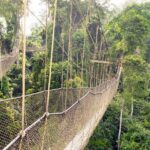
- Kakum National Park canopy walk on a 7-bridge, 1000-foot-long treetop walkway
- Visa application assistance and breakfast daily so you’re not scrambling
Arriving in Accra: Kotoka Airport Welcome and a Smooth First Day
Your Ghana trip starts at Kotoka International Airport in Accra with meeting and assistance through immigration, luggage pickup, and customs. That first step matters more than people think. Ghana is welcoming, but getting through the airport without a plan can waste energy you’ll want for the rest of the week.
If your arrival timing allows it, you may get a quick orientation stop at the University of Ghana campus in Legon. It’s a simple way to break the travel day with a local setting before you check into your hotel. After that, your guide sticks with you during your stay and gives you a rundown of what to expect. For most people, that helps reduce the classic first-day uncertainty: where to go, what to do, and how to pace the long drive days ahead.
Practical note: you’ll be in an air-conditioned private vehicle for transfers and outings. Ghana traffic can be slower than you expect, so comfortable seating is a real bonus, not a luxury.
You can also read our reviews of more tours and experiences in Accra.

Accra Heritage Day: Du Bois, Nkrumah, and Jamestown’s Fishing World
Accra is where the tour finds its voice. The day centers on political history and cultural memory, but it’s tied to everyday places too.
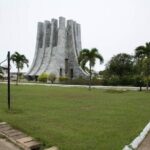
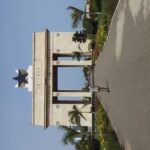
You’ll visit the W.E.B. Du Bois Centre, honoring the Pan-Africanist who chose to live and work in Ghana. Then you move to Independence Square, including the Independence/Black Square area. Next up is the Kwame Nkrumah Memorial Park, one of the big anchor stops for understanding modern Ghana’s national story.
The tour also takes you into Jamestown, the fishing community. Here you’ll see places like the lighthouse area and the Brazil House. This is one of those moments where the city’s layers show up fast: colonial-era references, post-independence identity, and a working waterfront that doesn’t feel staged.
If you like cities that teach you through a walk-and-look approach, this day works well. The pacing is built around a few strong stops instead of too many minor ones.
Getting to Kumasi Through Aburi and Plant Medicine Research
After breakfast, you head toward Kumasi, seat of the Ashanti Kingdom. The drive includes a scenic pass through the Aburi Mountains, which is a nice break from flat coastal roads. You’ll also stop at the Mampong Centre for Scientific Research into Plant Medicine.
This is a subtle but valuable stop. It’s not just a photo stop; it connects Ghana’s traditional plant knowledge with research and modern health thinking. Even if you don’t have a medical background, it gives you a more grounded view of how local knowledge moves through daily life.
You arrive late afternoon and then head to the Manhyia Palace Museum, the official residence of Ashanti Kings until 1974. The museum setting helps you understand the Ashanti monarchy as more than a legend. You also visit the Okomfo Anokye Sword Site, which ties into Ashanti spiritual and historical tradition.
Tip for the day: the forest-zone drive and late afternoon museum timing can mean a slower evening. Plan to rest once you’re checked in, because the next day is craft-heavy.
Manhyia Palace Museum and Okomfo Anokye: Ashanti Stories You Can Actually Follow
Kumasi can feel like information overload if you just wander. This stop avoids that. Manhyia Palace Museum gives you context for symbols, authority, and how the Ashanti Kingdom shaped culture across generations. The visit also makes the later craft villages easier to understand, because you’ll see where art and tradition connect back to identity.
Then there’s the Okomfo Anokye Sword Site. Even if you don’t know the story before you arrive, the guide-led explanation helps you read the place with more meaning. This is where a good guide earns their money.
Based on past experiences with guides such as George Benson and Emmanuel, the strongest version of this day is when you ask questions. If something sounds symbolic, ask what it means for daily Ashanti life. You’ll get answers that go beyond dates and names.
Bonwire Kente and Ntonso Adinkra: Crafts Where You Can Shop With Purpose
This is the day most people remember. The tour focuses on craft villages around Kumasi—Ahwiaa, Ntonso, and Bonwire—instead of a single shop row. That difference matters. You get a sense of how production works and what different techniques look like.
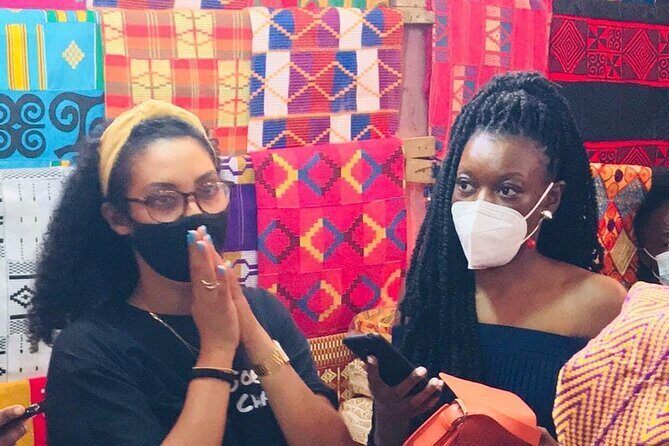
At Bonwire, you’ll see how Kente cloth is handmade on looms using a time-honored method passed down through generations. You can also see different Kente styles, and you’ll have the opportunity to make purchases. If you’ve ever bought Kente without understanding the design logic, this visit is the fix.
Then you head to Ntonso, where artisans hand-stamp patterns on cotton cloth to create Adinkra textiles. The visit highlights styles like black-on-black and black-on-red, including the traditional funeral use context mentioned in the tour description. You’ll get a clearer feel for why some motifs matter, instead of treating textiles as just décor.
One consideration: buying is tempting here. If you want a few pieces only, set a rough budget beforehand. Also, bring a plan for packing—textiles can be easy to buy and annoying to store during long drives.
Assin Manso Slave River Park to Cape Coast Castle: An Emotional Route With Real Landmarks
From Kumasi to Cape Coast, the tone changes. It’s not “dark tourism” for the sake of it. The tour frames these stops as a necessary route through history.
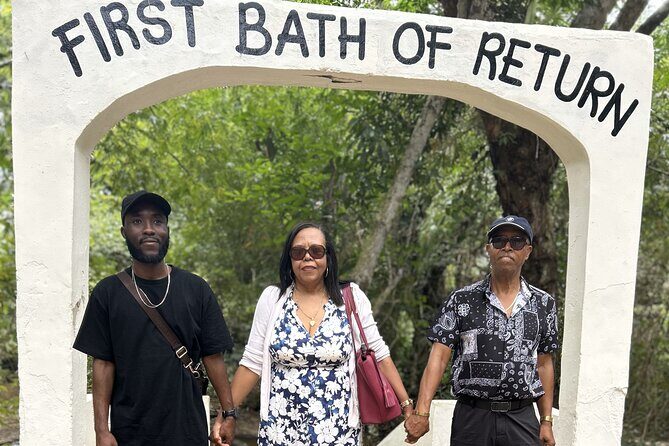
At Assin Manso Slave River Park, you visit the site where the remains of two formerly enslaved people from the U.S. and Jamaica were re-interred in August 1998, during Ghana’s first Emancipation Day celebration. You’ll see the Slave River, described as the place where captured Africans were washed before being confined in the slave castles to wait for shipment to the Americas and the Caribbean.
This stop hits hard. The best way to handle it is to go slowly and let the guide set the pace for questions and reflection. If you’re traveling with family, tell everyone ahead of time that this is the day to take breaks when needed.
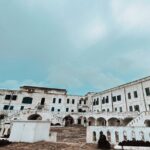
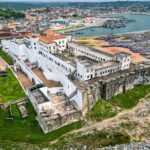
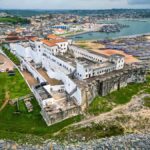
Then you reach Cape Coast and visit Cape Coast Castle and Museum for a guided tour. Cape Coast Castle is UNESCO-listed and is identified here with the Door of No Return.
Practical travel advice: this is a day where comfort matters. Wear shoes you can stand in for a while, and bring water. Emotional doesn’t mean uncomfortable, and you shouldn’t have to tough it out physically.
Kakum National Park and Elmina Castle: Rainforest Air and UNESCO Walls
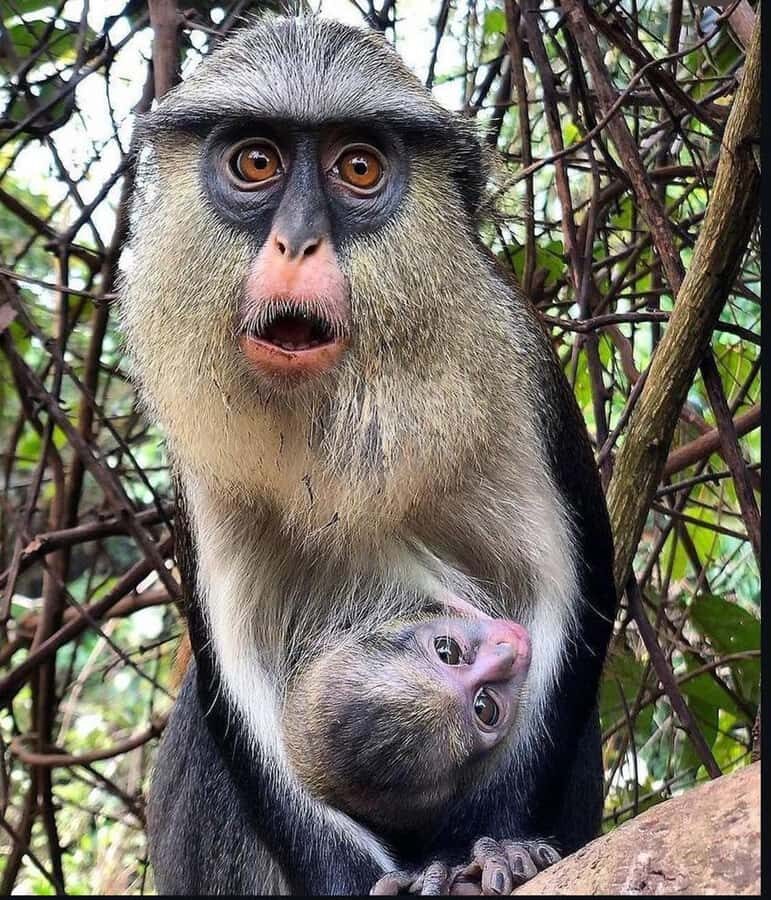
Next comes the reset that still fits the story. You start at Kakum National Park, one of Ghana’s most famous nature areas. You’ll take a brief walking tour on the forest floor with chances to see birds and butterflies, and possibly mammals including monkeys and even the forest elephant (not guaranteed, but that’s the kind of wildlife this park is known for).
Then you do the canopy walk—Africa’s only aerial walkway through the tree canopy in this description. The structure is 1000 feet long, with seven bridges, and viewing platforms that reach heights of over 150 feet above ground.
If you’re afraid of heights, this part is worth thinking about early. You won’t want to discover fear on the first bridge. On the other hand, if you enjoy rainforest views from above, this is one of the standout experiences on the whole route.
In the afternoon, you go to Elmina Castle, another UNESCO World Heritage Site, built in 1482. Like Cape Coast, it’s a site where the walls and corridors do most of the talking. The guide role is important here, too, so you leave with a sense of what the space represents.
Weather note: since Kakum includes an elevated walkway, the tour states it needs good weather. Plan for flexibility if rain is in the forecast.
Leaving Cape Coast for Accra: Abandze and Osu Shopping Time
After breakfast, you head back toward Accra and check out of your hotel. Along the way, you stop at Abandze, described as the ancestral home of Louis Armstrong. It’s a short stop, but it adds an interesting global thread to the week.
You arrive in Accra late afternoon and then get time to choose your own pace. The itinerary points you toward Oxford Street in Osu, with stops you can browse like Global Mamas Shop, Woodin Shop, and other stalls selling African wear, beads, and accessories. If you’d rather keep it craft-focused instead of street-style, the Wild Gecko on the Airport road is listed as a traditional crafts and artifacts option.
This is also a smart moment for your last purchases. You already saw textiles and craft techniques in Kumasi, so you can shop in Accra with better judgment—what looks locally made, what fits your style, and what’s just mass-produced.
Your Final Day in Accra: How to Pick Smart Extras
On the last day, the tour is at leisure in Accra with the help of your driver and guide. That structure is useful. You can revisit places you liked, or plug gaps—especially since the itinerary focuses on major cultural and historical anchors.
If you want an easy strategy, make a short list of what you missed in Accra on Day 2. Then pick one more option that’s close by. With limited time, the best choices are the ones that don’t create extra long drives.
When it’s time, you transfer back to the airport for your onward flight. The big win here is not having to coordinate your final transportation alone.
Is $5,060 Worth It? Value, Inclusions, and What You Still Need to Budget
At $5,060 per person for an 8-day Ghana special, you’re paying for structure, not just sightseeing. This price bundles a lot of the expensive friction out of the trip: airport help, round-trip airport/hotel transfers, private vehicle transportation, an experienced cultural tour guide, and breakfast daily. It also includes admission to the listed sites.
It’s not a cheap trip, but it’s also not only paying for a driver. The big value is the combination of:
- Multiple regions (Accra, Kumasi, Cape Coast, Elmina) without DIY navigation stress
- UNESCO sites at both Cape Coast Castle and Elmina Castle
- Craft days that explain what you’re buying and why the designs matter
- Kakum’s canopy walk experience, which is hard to DIY safely if you don’t know the local logistics
What you still need to budget:
- Visa and international flight (not included)
- Travel insurance (not included)
- Gratuities for driver and guide (not included)
- Meals not listed—so plan dinners on your own
- Personal expenses including shopping
Also consider group size. The tour caps at 10 travelers, which usually means less waiting and more time for questions during museum and craft stops. Past experiences also highlight safety and careful planning, which matters when you’re moving across multiple cities in a short time.
Should You Book This Ghana 8 Day Special?
Yes—if you want a route that balances headline landmarks with hands-on cultural moments, this is a strong fit. The biggest strengths are the Ashanti craft village day, the Cape Coast and Assin Manso slave-trade history stops, and the Kakum canopy walk. Add the guide factor—people like Mr. George Benson, Emmanuel, Elvis, and Naa are repeatedly praised for turning sites into understandable stories—and the trip becomes more than a list.
I’d think twice before booking if:
- You hate long driving days and want more beach-only time
- You’re highly picky about dinner options, since only breakfast is included
- You’re uncomfortable with heights and the canopy walk may feel risky
If you’re okay with a meaningful week and you like learning through place-based stops, this one deserves a slot in your Ghana plans.
FAQ
What cities and regions are included?
The tour is based in Accra and visits Kumasi, Cape Coast, and Elmina, with stops in between such as Aburi Mountains, Assin Manso Slave River Park, and craft villages around Kumasi.
How long is the Ghana 8 day special tour?
It runs for 8 days (approx.).
Is airport pickup and drop-off included?
Yes. You get meeting and assistance upon arrival and departure, plus round-trip airport/hotel transfers.
What meals are included?
Breakfast is included daily (7 breakfasts are listed in the inclusions).
Are admission tickets included?
Admission to the listed sites is included (and some specified items are listed as free).
Does the tour include help with visas?
Yes, assistance with visa application is included. Visa and international flight are not included.
What is the cancellation policy?
Free cancellation is available. You can cancel up to 24 hours in advance for a full refund; within 24 hours, there is no refund.