REVIEW · ACCRA
Experience the Culture of Ashanti Kingdom in 5days
Book on Viator →Operated by Tripafrica Tours · Bookable on Viator
Ashanti culture here moves at human speed, not tourist-speed. You’ll get a smooth arc from Accra to Kumasi, then out to village craft stops, and finally back to Accra for a classic city finish. It’s built for people who want real names, real places, and stories you can still feel when you walk away.
I especially like the hands-on craft days in Ntonso Adinkra Village and Adanwomase Kente Weaving Village. I also love the Manhyia Palace Museum and Prempeh II Jubilee Museum in Kumasi, where the Ashanti royal story is explained in a way that actually makes sense.
One watch-out: the days run long (often close to full 8-hour blocks after breakfast), so if you’re hoping for a slow, no-pressure vacation, this plan may feel busy.
In This Review
- Key highlights worth your attention
- First Night in Accra: quick arrival, then you’re off
- Kumasi Palace Museums and Kejetia Market in one big day
- Ntonso and Adanwomase: Adinkra symbols you can print
- Okomfo Anokye Sword Site and Abono Village: legends with a location
- Return to Accra: Kwame Nkrumah Memorial Park and city tour
- Price and logistics: what $1,350 is actually buying
- The guide experience: Nuru-Deen and the team that plans with pride
- Timing that works: 7:30am starts and long but focused days
- What to expect at each cultural stop (and how to enjoy it more)
- Who this tour suits best (and who should think twice)
- Should you book this Ashanti culture tour?
- FAQ
- Does the tour offer pickup and airport meeting in Accra?
- Where does the tour start and end?
- What’s included in the price?
- What craft or hands-on experiences are included?
- Which Kumasi museums and landmarks are visited?
- How long is the tour, and when does it start each day?
- Is it a private tour?
Key highlights worth your attention
- Ntonso Adinkra Village workshop: learn the meanings behind Adinkra symbols and print your own textiles
- Manhyia Palace Museum: get the context of the Asantehene’s world, right at the palace grounds
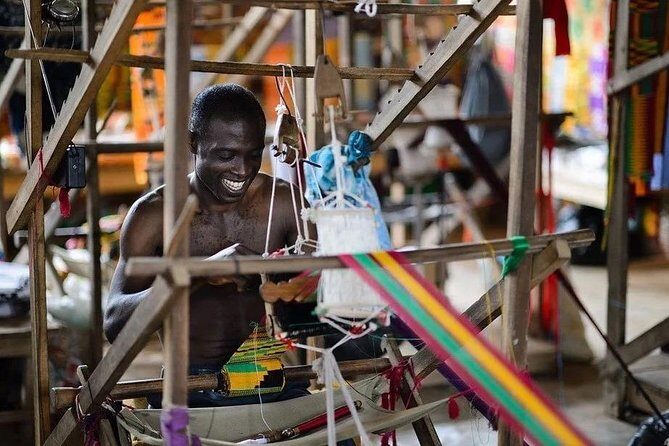
- Adanwomase Kente weaving session: see how cloth strips turn into kente used for special occasions
- Okomfo Anokye Sword Site: visit a legendary landmark tied to royal Ashanti lore
- Nuru-Deen and team support: planning and care that helps the trip feel personal, not rushed
First Night in Accra: quick arrival, then you’re off
Your tour starts the practical way: you land at Kotoka International Airport (Terminal 3), and you’re met by a staff member who gets you to your hotel. That matters, because Ghana’s airport procedures can be a lot when you first arrive, especially if you’re tired from travel.
After check-in, the goal is simple: get you rested for the Kumasi jump. There’s no overstuffed first day. The itinerary keeps it light, with an admission ticket marked free and only around 10 minutes described for the arrival transfer.
If you like to get your bearings without feeling dragged around, this kind of start is a win.
You can also read our reviews of more tours and experiences in Accra.

Kumasi Palace Museums and Kejetia Market in one big day
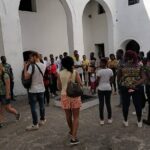
Kumasi is where the Ashanti story becomes more than a headline. After breakfast, you head there and begin at the Manhyia Palace Museum, located on the premises of the Manhyia Palace—the residence of the Asantehene.
What I like about this stop is how direct it is. You’re not just reading about royalty in the abstract. You’re visiting the setting where the Ashanti kingship story lives, and the museum provides context for Ashanti culture and Ghana’s cultural heritage during the colonial era.
Next up is the Prempeh II Jubilee Museum, again on Kumasi Cultural Center grounds. This is another strong choice because it focuses on the history of the Ashanti Kingdom and helps you connect themes across the day.
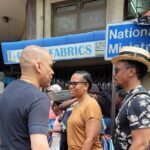
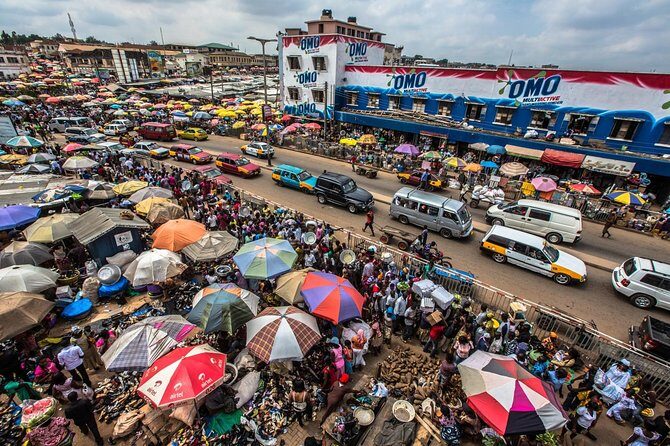
Then you finish with Kejetia Market. This is one of the places where Kumasi feels like a working city, not a stage set. You get to see the everyday energy of trade and local life while still riding the momentum of the cultural museums.
Practical note: Kejetia can be busy and active. If you prefer slower pacing, you can still enjoy it—just take time, step by step, and don’t feel like you have to cover every corner in one go.
Ntonso and Adanwomase: Adinkra symbols you can print
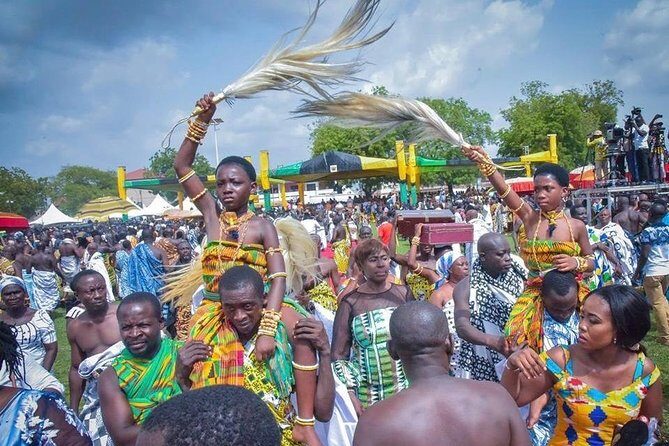
Day 3 is your creative day, and it’s the best kind of cultural tourism: you learn, you try, and you leave with something tangible.
Your first village stop is Ntonso Adinkra Village, famous for Adinkra symbols. The symbols carry proverbial meanings, so this isn’t just decoration. It’s language in visual form—messages people use to say something about values, stories, and identity.
You’ll visit a local textile printing workshop and you’ll be treated to the history behind the symbols as you choose and print with them. That means you’re not just watching. You’re participating.
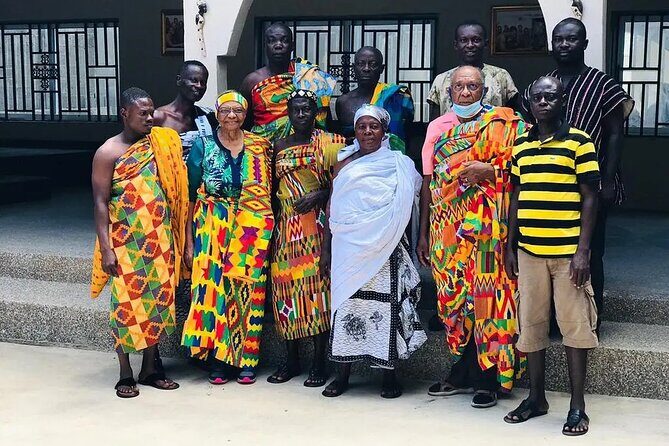
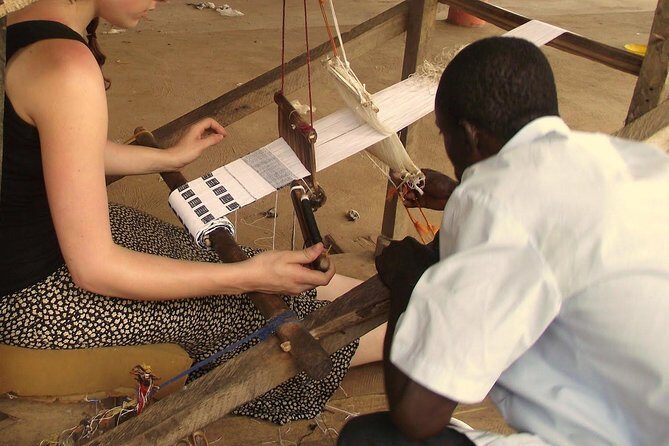
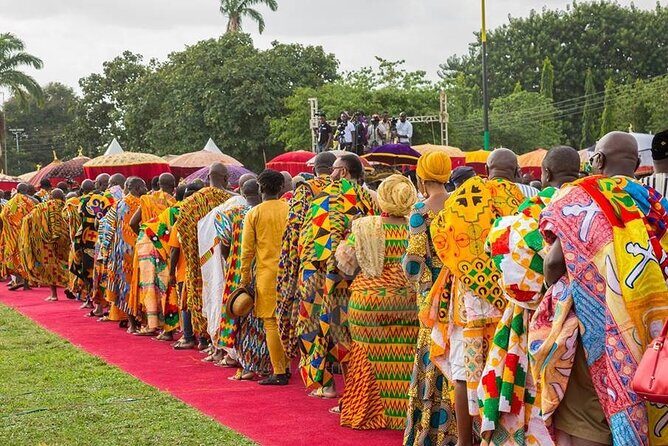
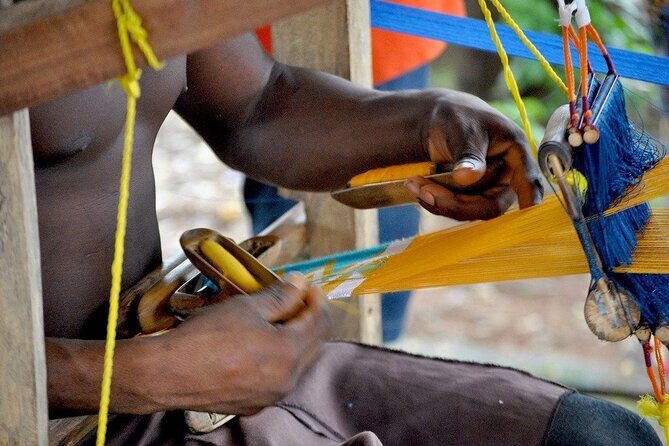
After Ntonso, you go to Adanwomase Kente Weaving Village. Kente is described as a colourful silk and cotton fabric made of interwoven cloth strips, used by the Akan people for special occasions. That matters because it explains why the work is worth the time and why it’s tied to meaning, not only style.
You’ll get a kente weaving workshop. And because you can buy some kente products, you can turn your new knowledge into a souvenir that actually reflects what you saw and learned.
The subtle value here is education through doing. If you normally skip “craft demo” stops, this one is different because the itinerary builds in actual making-time.
Okomfo Anokye Sword Site and Abono Village: legends with a location
After a night to reset, Day 4 starts again after breakfast, and the first stop is the Okomfo Anokye Sword Site in Kumasi. The key detail is physical: the site includes a sword said to be over 300 years old, planted into the ground by the fetish priest Okomfo Anokye.
It’s described as a place where attempts to remove the sword have been futile, and it also serves as the exact site where the famous priest conjured a golden stool for the Ashanti Kingdom. Whether you approach that story as literal or symbolic, the power is that you can stand at the point where the story is anchored.
You’ll tour the facility to learn about Okomfo Anokye and the role he plays in Ashanti lore. This is one of those stops where a good guide can make the difference. You get a setting, a legend, and then the explanation that helps you connect it to Ashanti beliefs and royal symbolism.
After that, you depart for Abono Village. The itinerary doesn’t add a lot of detail beyond the stop, but the structure of the day keeps the theme: you’re moving from royal and spiritual landmarks into local village life.
Tip for this day: keep your camera ready, but also be ready to listen. These places often make more sense when you hear the reasoning behind them, not just the headline.
Return to Accra: Kwame Nkrumah Memorial Park and city tour
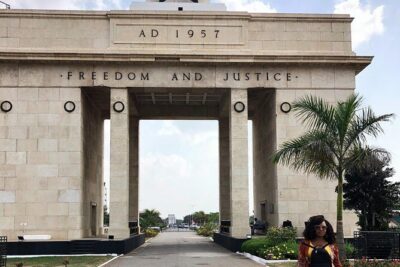
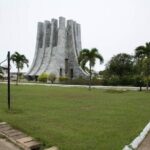
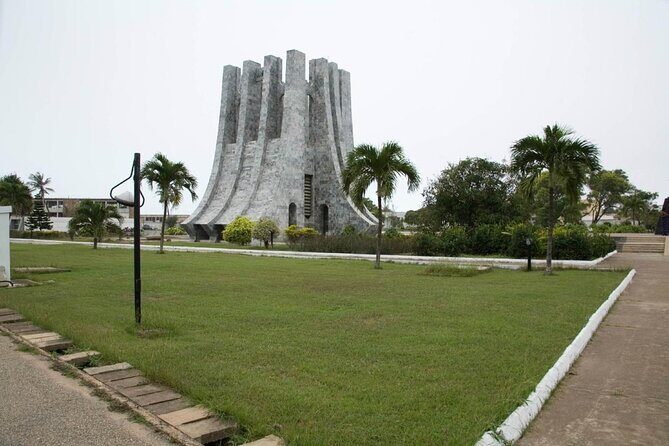
On Day 5, you head back to Accra. The itinerary then gives you a city tour finish plus a specific historical stop: Kwame Nkrumah Memorial Park.
This is a solid way to end, because Nkrumah is central to modern Ghana’s story. And finishing in Accra helps you tie your journey together: you start at the capital, spend focused time in the Ashanti Region, then come back to see how Ghana’s national narrative sits alongside regional culture.
After the city tour, you transfer to the airport for departure. The day is described as about 8 hours with admission included, so you’re not left wondering if you’ll have enough time to see what matters.
Price and logistics: what $1,350 is actually buying
At $1,350 per person for an approx. 5-day tour, the biggest question is value: what are you paying for beyond transport and ticking off spots?
Here’s what the package clearly includes:
- An air-conditioned vehicle with insurance and fuel
- Accommodation with an air-conditioned room
- All fees and taxes
- 24hr ongoing support
- All activities and attraction fees
- A private tour guide
- Breakfast for 4 days
When you add that up, you’re paying for fewer headaches. You’re not trying to figure out entrance fees site-by-site. You’re not negotiating daily logistics. You’re not spending time guessing routes between Kumasi and the village areas.
Also, the itinerary offers pickup support at arrival and a dedicated end-of-tour transfer back to the airport. That’s not glamorous, but it’s practical travel value.
One note: meals beyond breakfast aren’t included in the listings you provided. So you’ll want to budget lunches and dinners separately, and plan for local restaurant choices on your own schedule.
The guide experience: Nuru-Deen and the team that plans with pride
A tour can list all the right stops and still feel mechanical. What lifts this one is the human piece from the team running it.
In the feedback you shared, the host team is named: Nurudeen (spelled Nurudeen in the replies), along with Eazi and Maxwell. The tone is consistent: people felt at home, and the planning came with pride in making sure needs were met.
That kind of support matters on a cultural itinerary. You’ll do better when your guide can:
- explain what a symbol means before you print it
- connect what a palace museum shows to what you see later in the day
- help you manage pacing when a market day gets busy
If you care about feeling looked after—without losing your independence—this kind of team effort is a real part of the value.
Timing that works: 7:30am starts and long but focused days
The tour is built around a start time of 7:30 am. That’s early, but it also means you’re moving before the day gets hot and before crowds fully gather.
Day blocks are described as around 8 hours for multiple days. Add driving between Kumasi and surrounding villages, plus the museum and workshop time, and you’ll see why the schedule can feel full.
Here’s how I’d think about it: you’re trading “free time” for “structured cultural coverage.” If you want a week where you wander with no plan, pick something else. If you want to learn a lot in a short window, this kind of rhythm is effective.
Also, since it’s a private tour where only your group participates, you can usually adjust the pace with your guide rather than being stuck with a big herd schedule.
What to expect at each cultural stop (and how to enjoy it more)
A good way to get the most from this tour is to treat each stop as a different chapter.
- Manhyia Palace Museum: focus on understanding the Asantehene setting and how the museum frames Ashanti culture alongside Ghana’s colonial-era heritage.
- Prempeh II Jubilee Museum: use this to connect themes from the first museum and make the story feel continuous.
- Kejetia Market: treat it like a living snapshot. Don’t try to “finish” it—just experience it.
- Ntonso Adinkra Village: ask for the meanings behind the symbols as you choose your print. Your final textile will make more sense then.
- Adanwomase Kente weaving workshop: pay attention to the process, not only the finished cloth. That’s where the skill lives.
- Okomfo Anokye Sword Site: go in with curiosity about symbolism and belief. Even if you don’t take it literally, the location matters to the people who do.
- Kwame Nkrumah Memorial Park + Accra city tour: shift from regional culture to national story so your trip feels complete.
One extra note from the feedback you shared: the host team can sometimes include additional cultural moments such as Andrika sash making and an Ashanti naming ceremony, plus a cocoa farm visit. Those aren’t listed as formal stops in the schedule you provided, so don’t assume them as guaranteed—but they do suggest the team may add meaningful experiences when timing allows.
Who this tour suits best (and who should think twice)
This is a great fit for you if:
- you want a short, structured Ghana trip focused on the Ashanti Region
- you like craft work with hands-on learning (Adinkra printing and kente weaving)
- you want palace and museum context, not only villages and markets
- you value personal, attentive hosting and support from a named team
It might feel less ideal if:
- you prefer slow travel with lots of downtime
- you dislike long days and early starts
- you’re only interested in major city sightseeing and want minimal driving
For some people, this route also carries emotional weight, especially if you’re reconnecting with ancestry. The hospitality described in the feedback is part of that effect: when you feel welcomed, the cultural lessons land harder.
Should you book this Ashanti culture tour?
I’d recommend booking this tour if you want a focused 5-day plan that mixes royal history, craft practice, and real local settings, with the benefit of private guiding and transport plus fees handled. The itinerary is built around meaningful stops rather than random photo stops, and the workshops give you a takeaway that’s tied to knowledge.
Before you commit, be honest about your tolerance for full days. If you’re the type who needs a long lie-in and lots of free time, you might find the schedule tight. If you’re excited to learn and move—then this is a strong way to see the Ashanti Kingdom culture in a compact trip, and end with a proper Accra finish.
If you’d like, tell me your travel style (slow vs. active) and your interests (crafts, museums, markets, spirituality, food). I’ll help you decide if this schedule matches your pace.
FAQ
Does the tour offer pickup and airport meeting in Accra?
Yes. You’re met after arrival at Kotoka International Airport (Terminal 3) and sent to your hotel. Pickup is also listed as offered.
Where does the tour start and end?
The tour starts with arrival in Accra and ends back in Accra. On the final day, you have a city tour and then transfer to the airport for departure.
What’s included in the price?
The package includes an air-conditioned vehicle with insurance and fuel, air-conditioned accommodation, all fees and taxes, 24hr ongoing support, all activity and attraction fees, a private tour guide, and breakfast for 4 days.
What craft or hands-on experiences are included?
You’ll visit Ntonso Adinkra Village for Adinkra symbol history and a textile printing workshop. You’ll also visit Adanwomase Kente Weaving Village for a kente weaving workshop.
Which Kumasi museums and landmarks are visited?
In Kumasi, you’ll visit the Manhyia Palace Museum and the Prempeh II Jubilee Museum (both within the palace/cultural center area). You’ll also visit Kejetia Market and later the Okomfo Anokye Sword Site.
How long is the tour, and when does it start each day?
It runs for about 5 days. The start time is listed as 7:30 am, and multiple days are described as around 8 hours.
Is it a private tour?
Yes. It’s a private tour/activity, and only your group participates.