REVIEW · GHANA
Experience Nzulezu! A village on stilts!
Book on Viator →Operated by Carmen´s Travel and Tours · Bookable on Viator
Stilts, schools, and calm lake water. I love the Tadane Lake boat ride and the way the Nzulezu village on stilts lays daily life right in front of you, no staging. One consideration: this is a day on the water and by the lake, so weather matters more than you might expect.
The rest of the package keeps things easy. You get an SUV ride out of Takoradi to the lake area, plus included meals and drinks with snacks like fresh coconuts, pastries, and plantain chips to keep you going between the road trip and the boats.
In This Review
- Why Nzulezu Is a Trip Worth Making
- Key Things You’ll Notice During This Nzulezu Day Trip
- Price and What $140 Actually Buys You
- Getting There From Takoradi: The Road Trip Part Matters
- Tadane Lake Boat Ride: The Scene-Setting Moment
- Entering Nzulezu: What “On Stilts” Looks Like Up Close
- Village Tour Focus: Learning From the Community Layout
- Canoe Fishing and Time on the Water: More Than a Photo Stop
- Organic-Crop Meals and Included Snacks: A Real Break in the Day
- Souvenirs and Keepsakes: Buy With a Purpose
- Who This Tour Fits Best (And Who Might Want Something Else)
- Practical Tips So You Enjoy It More
- Should You Book Nzulezu on Stilts?
- FAQ
- How long is the Nzulezu tour?
- What does the tour cost?
- What’s included in the price?
- Is pickup available?
- Is the village entrance ticket included?
- Is this a private tour?
- What if the weather is poor?
- What is the cancellation policy?
Why Nzulezu Is a Trip Worth Making
Nzulezu is not just a postcard subject. It is a living community built above Tadane Lake, where the layout of the place tells you how people organize work, learning, worship, and home life. When you see residences on one side of the pier and community buildings across from them, the village starts to feel logical rather than odd. It is still unusual, but it makes sense.
What I also like is that the day doesn’t feel rushed. You get a proper village tour, then time on the water. And you get a chance to learn about canoe fishing instead of only taking photos and leaving. That hands-on piece is the difference between seeing a place and understanding it for a few hours.
One more practical note: the experience is described as private. That usually means a calmer pace, fewer crowds, and more flexibility to ask questions as you go.
Key Things You’ll Notice During This Nzulezu Day Trip
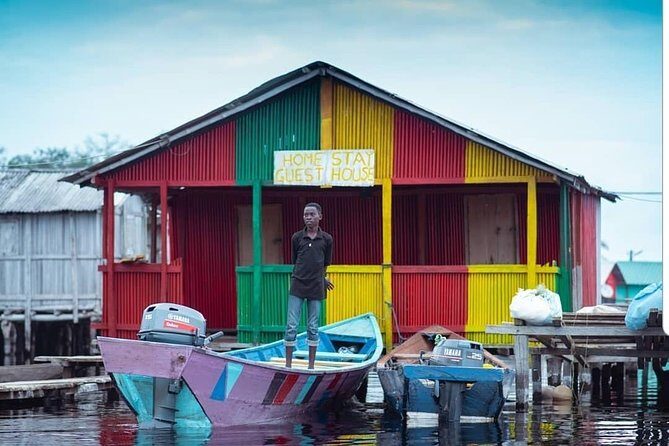
- A village designed around a pier where homes and community spaces sit opposite each other
- Tadane Lake by boat as your main way in and out of the village
- Canoe fishing practice that gives context for how livelihoods connect to the water
- Meals from organic crops plus included snacks and bottled water
- Local souvenirs and keepsakes that support people directly, right where you visit
- A community you can read at a glance including spaces for school and church
You can also read our reviews of more tours and experiences in Ghana.

Price and What $140 Actually Buys You
At $140 per person for about 6 hours, this isn’t a bargain bus trip. It is a guided day that rolls three expensive pieces into one: land transport from the Takoradi area, boat travel over Tadane Lake, and guided time inside Nzulezu.
To judge value, I look at what you’re not doing. You’re not piecing together separate tickets, transportation, and a guide on your own. You also get the meals and drinks included, plus snacks. For many people, that matters more than the headline price.
Also, the tour is private, so you are paying for the experience rather than sharing it with a big crowd. If you like comfortable pacing and direct interaction, that can make the price feel fair.
Getting There From Takoradi: The Road Trip Part Matters
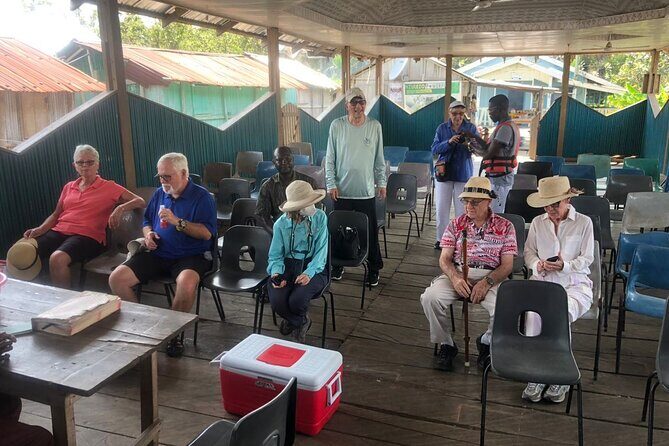
Your day starts in the Sekondi-Takoradi area at lorry park (W7MP+RG3). From there, you head toward Tadane Lake by SUV, with air-conditioning on board. That’s a small detail, but in Ghana heat it changes the feel of the trip. You arrive at the water less frazzled and ready to take in the scenery.
This is also when you get the “country roadside” view before you reach the lake. The village is the main event, but the drive sets the mood. You are moving from the busier energy of town into a quieter, more rural feel, and the contrast helps you understand why people build on water in the first place.
If pickup is offered for your booking, it will be confirmed at the time you book. If pickup isn’t included for your exact arrangement, use the listed meeting point and plan to be early.
Tadane Lake Boat Ride: The Scene-Setting Moment
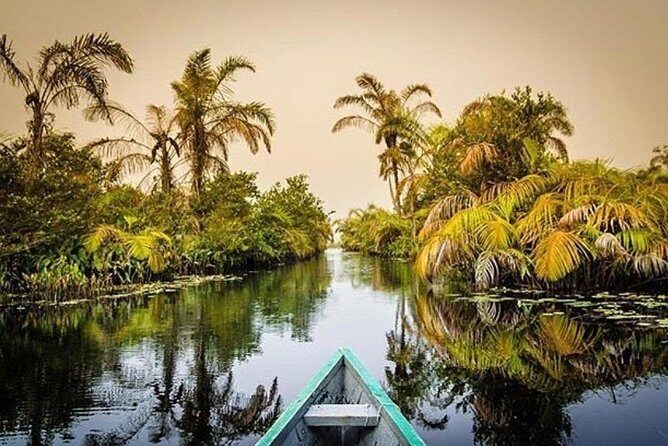
The heart of the day is the boat ride over Tadane Lake. This is not just transportation. It is the moment where Nzulezu stops being a name and starts being real.
As you move across the lake, you get a sense of scale: the village is above the water, not beside it. That changes how you interpret the stilt construction. You also get a sense of daily rhythm, because the lake environment is the reason the village exists at all.
The boat time also creates a natural transition. Once you are out on the water, you stop thinking like a tourist and start noticing the community logic. Where structures sit, how the pier organizes movement, and how the lake feels calm compared to the city.
Entering Nzulezu: What “On Stilts” Looks Like Up Close
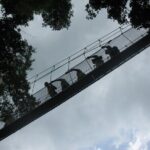
Nzulezu is described as a village built solely on stilts, with structures separated by a pier. That pier is key. One side is residences. The opposite side holds the school, church, and community centres.
When you hear that description, it can sound like simple layout info. In person, it becomes a story about priorities. If learning spaces and worship are placed right across from homes, then daily life isn’t segmented into separate worlds. It is connected, from family space to public space.
You’ll take a village tour and see how people live on a water-built foundation. Expect a rustic pace and an environment that feels functional rather than polished. This is where you should shift your mindset from sightseeing to observation: how people move, how spaces are used, and what seems important.
Village Tour Focus: Learning From the Community Layout
The guided part of the day is where you get meaning from what you see. You are not only looking at stilts and rooftops. You get a tour that explains rustic living and what daily routines look like in a water village.
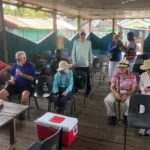
One of the most human details to watch for is the presence of different age groups. In at least one visit, the school was closed because it was Sunday, and the village had children, women, and older men visible rather than a full schoolday crowd. You may notice similar patterns depending on the day of the week and local schedules. It is not a problem. It simply shapes the mood of what you see.
Also, in that same kind of observation, young people who can move around may be absent if they are working in the city or selling goods elsewhere. You should treat that as context, not a conclusion. Your goal is to understand the community’s connections beyond the lake.
Canoe Fishing and Time on the Water: More Than a Photo Stop
After the village tour, you shift from standing on stilts to interacting with the lake. The experience includes going boat riding and learning canoe fishing.
Even if you are not from a fishing background, this part is valuable because it helps you connect “what looks traditional” with “what supports life.” Canoe fishing is not a performance. It is a livelihood shaped by the lake environment.
Here’s how I recommend you approach it: ask questions about technique and tools, and watch what the guide prioritizes. You’ll likely learn the basics of how canoe fishing works and why it fits this setting. That turns the experience from scenic to educational in a practical, real-world way.
And because this is still part of a private experience, you can ask follow-up questions without feeling squeezed between people.
Organic-Crop Meals and Included Snacks: A Real Break in the Day
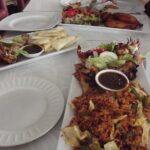
One of the strongest value points is the included food. Meals and drinks are part of the package, and the food is described as freshly grown from organic crops.
I like this for two reasons. First, you get energy without needing to hunt for food partway through the day. Second, it adds another layer to the “how people live” theme. When you’re learning about village life on water, it helps to also understand how food comes from land and local growing practices.
Snacks are included too: fresh coconuts, local pastries, and plantain chips (sweet and savory). Bottled water is included. These are the kinds of simple, local foods that work well during a half-day outing because they don’t require a long wait or a full restaurant meal.
If you have dietary restrictions, double-check during booking. The tour data doesn’t list specific options beyond what is included, so you’ll want clarity early.
Souvenirs and Keepsakes: Buy With a Purpose
After your time in Nzulezu, the day ends back at the meeting point in the Sekondi-Takoradi area. Before you go, you’ll have a chance to purchase local souvenirs and keepsakes from the village.
This is more than a last stop for “shopping.” If you buy items directly during the visit, your money stays tied to the people and places you came to see. It also helps you avoid the common tourist trap of buying the same souvenirs back in town without the connection.
Practical tip: keep small bills and be ready to browse slowly. Stilt villages are compact, and the selection can be personal. Take your time and choose pieces that look genuinely made for this community, not generic tourist items.
Who This Tour Fits Best (And Who Might Want Something Else)
This is a good fit if you want authentic village life and a calmer pace. You get a guided tour, hands-on learning around canoe fishing, and included meals that keep the experience smooth.
It also suits people who enjoy nature-adjacent travel without needing a hardcore hiking plan. The scenery is the lake, the boats, and the stilt-built environment.
You might want to consider another option if you’re chasing “big city highlights,” museums, or polished tourist infrastructure. Nzulezu is rustic by design. That’s part of the attraction, but it changes comfort expectations.
Finally, if you dislike time on boats or you get motion discomfort easily, this is a day to think carefully about that before booking. The route depends on conditions, and boat time is central to the experience.
Practical Tips So You Enjoy It More
- Bring sun protection. Even with an SUV ride, you’ll be exposed during boat travel and walking around.
- Plan for a sensory shift. Water villages feel different in sound and movement than road-based destinations.
- Ask questions during the tour. The real payoff is learning why the community is organized the way it is.
- Take your souvenir time seriously. If you want something meaningful, don’t rush the final browsing window.
Should You Book Nzulezu on Stilts?
I’d book this tour if you want a straightforward, guided day that connects place with livelihood. The combination of Tadane Lake boat travel, a guided village walk through the stilt layout, and learning canoe fishing gives you more than just photos.
I wouldn’t book it if your priority is comfort at all costs or you can’t handle weather-related changes. The experience depends on good conditions, and you’re on the lake for a meaningful part of the day.
If you do book, go with a curious, respectful mindset. Nzulezu works best when you treat it like a real community visit rather than a quick “look and leave” stop.
FAQ
How long is the Nzulezu tour?
It lasts about 6 hours, approximately.
What does the tour cost?
The price is $140.00 per person.
What’s included in the price?
Meals and drinks are included, along with snacks such as fresh coconuts, local pastries, and plantain chips, plus bottled water and an air-conditioned vehicle.
Is pickup available?
Pickup is offered, and the exact arrangement is confirmed at booking. The listed meeting point is lorry park (W7MP+RG3) in the Sekondi-Takoradi area.
Is the village entrance ticket included?
Yes. Admission is free as part of the experience.
Is this a private tour?
Yes. It is a private tour/activity, and only your group participates.
What if the weather is poor?
This experience requires good weather. If it’s canceled due to poor weather, you’ll be offered a different date or a full refund.
What is the cancellation policy?
You can cancel for free up to 24 hours in advance for a full refund. If you cancel less than 24 hours before the experience starts, the amount paid is not refunded.