REVIEW · ACCRA
Accra City Tour Experience
Book on Viator →Operated by Kadelo Travels · Bookable on Viator
Accra can feel big and complicated fast, so it helps when someone local maps the day for you. This private Accra City Tour mixes city icons with meaningful Ghana story stops, starting with nature at Aburi Botanical Gardens and then moving through places like Makola Market, Kwame Nkrumah Memorial Park, Independence Square, the National Museum, and the W.E.B. Du Bois Memorial Centre. I really like that admission fees are included and the schedule gives you enough time at each place to actually see what matters. I also like that the tour uses an air-conditioned vehicle with pickup and drop-off within Accra, so you spend less time figuring out transport. One drawback to plan for: lunch isn’t listed as included, so you’ll want to budget time and money for a meal.
In this kind of full-day city tour, the guide really shapes the experience. You get a professional guide for a more personal feel than you’d get on a fixed-group bus, and one group report highlighted Foster for prompt pickup and a thorough run through the main sites. You’ll come away with a clearer sense of Ghana’s modern story—politics, culture, and Pan-African ideas—without turning it into a rushed checklist.
Before you go, have realistic expectations about the market portion. Makola Market is built for buying and trading, and that means it’s not a quiet museum stroll. If you want calmer photo stops the whole day, this may feel a bit intense for part of the itinerary.
In This Review
- Key highlights worth your time
- Aburi Botanical Gardens sets the tone before Accra
- Makola Market: shop like you mean it (or browse like a pro)
- Kwame Nkrumah Memorial Park connects leadership to place
- Centre for National Culture: where artworks become souvenirs
- Independence Square: photos, history, and a bit of fun
- National Museum of Ghana: art and material culture under one roof
- W.E.B. Du Bois Memorial Centre for Panafrican Culture: Pan-African ideas in focus
- How the 5 to 8 hour schedule stays manageable
- Price and value: what $72 includes (and what to budget)
- What kind of traveler this suits best
- Should you book the Accra City Tour?
- FAQ
- How long is the Accra City Tour?
- Where does the tour take place?
- What is the price per person?
- What time does the tour start?
- Does the tour include admission fees?
- Is lunch included?
- Is this a private tour?
- What does the tour include for comfort and transport?
- What’s the cancellation policy?
Key highlights worth your time
- Makola Market (45 minutes) for real shopping and window browsing at a market operating since 1924
- Kwame Nkrumah Memorial Park (45 minutes) to connect Ghana’s independence leadership to a specific place
- Centre for National Culture (45 minutes) where you can view and shop local artworks
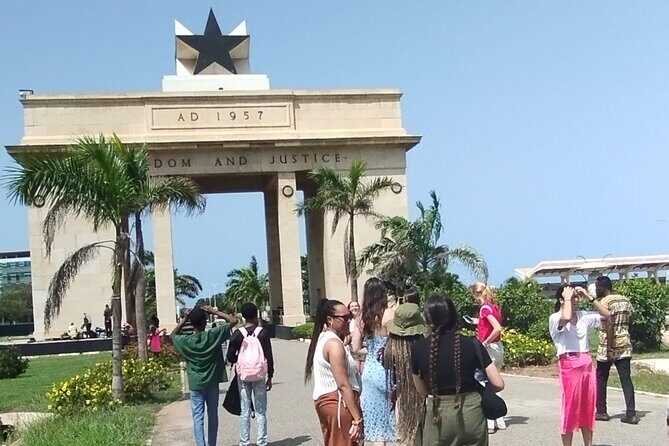
- Independence Square (45 minutes) with classic photo spots plus the chance to ride a horse
- National Museum of Ghana (1 hour) opened on 5 March 1957 and showing art forms beyond paintings
- W.E.B. Du Bois Memorial Centre (45 minutes) with visits to areas like his library and grave yard
Aburi Botanical Gardens sets the tone before Accra
If your day starts at Aburi Botanical Gardens, you’ll get a grounding break from city streets before the political and cultural stops begin. Gardens are a nice way to shift your focus from traffic and noise to plants, traditions, and everyday knowledge—especially when a guide talks about how local people think about nature and medicinal uses of plants.
Why that matters: after the greenery, you’ll be ready for the places that define Ghana’s identity in public spaces. You won’t just be collecting landmarks. You’ll understand how culture, nature, and history fit together in daily life.
Practical tip: bring sunscreen and something light for the morning. Even with an air-conditioned vehicle later, you’ll still do some walking around outdoor spaces like gardens.
You can also read our reviews of more city tours in Accra

Makola Market: shop like you mean it (or browse like a pro)
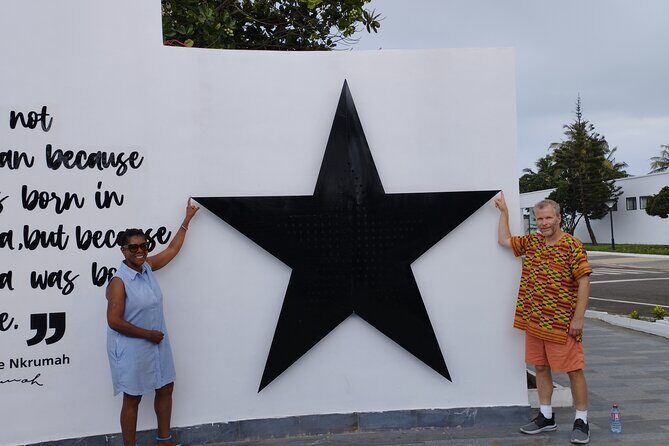
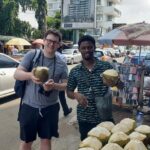
Makola Market is the kind of stop that makes an Accra tour feel real. It was constructed in Accra in 1924, and it functioned as the heart of urban Ghanaian life. It’s both wholesale and retail, so you’ll see everything from focused buying to casual browsing—this is the epicenter of trade and an important social and cultural institution.
You get about 45 minutes, which is a sweet spot for market time. It’s long enough to:
- compare items without feeling rushed
- ask questions through your guide
- pick up locally made souvenirs or do careful window-shopping
What to expect: this is not a curated craft market with fixed prices and tidy display cases. It’s a working market. If you enjoy interacting with vendors and seeing how trade happens, you’ll have a great time. If you hate crowds, go slow, keep your goals simple, and let your guide help you move efficiently.
Also, since admission is included for the listed stops, your money is best saved for shopping—bring small bills if you can, and plan to budget a bit if souvenirs catch your eye.
Kwame Nkrumah Memorial Park connects leadership to place

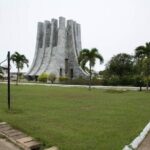
Next up is the Kwame Nkrumah Memorial Park, also known as the Kwame Nkrumah Mausoleum. This is the final resting place of Ghana’s first President of the republic, Osagyefo Dr. Kwame Nkrumah, tied to his campaign to liberate Ghana.
You’ll typically have around 45 minutes here. That’s enough time to understand what the site represents and take photos without feeling like you’re racing the clock. A good guide will also help you connect the story you hear to what you’re actually seeing—so it doesn’t turn into just reading plaques.
A small caution: this is a place of memory. Keep your tone respectful, and don’t treat it like a quick selfie stop. With the right mindset, it becomes one of the most meaningful moments of the day.
Centre for National Culture: where artworks become souvenirs
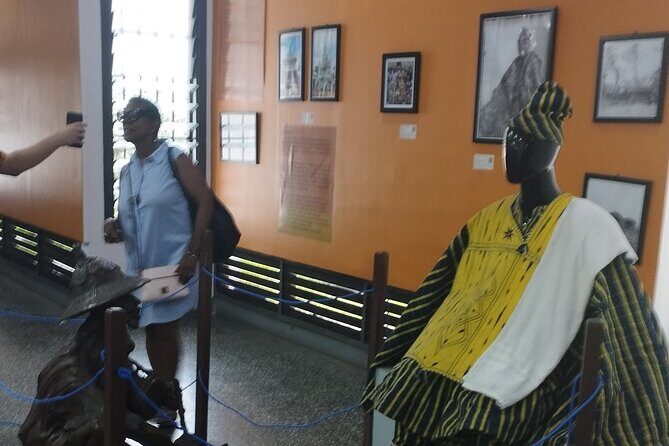
The Centre for National Culture, Accra is one of those stops that pays off if you like design, handmade work, and learning how art connects to identity. You’ll see artworks made by local people, and you’ll have the chance to buy souvenirs directly rather than picking up a generic item later.
You get about 45 minutes. That’s enough time to:
- look closely at different pieces
- ask your guide what you’re seeing (you’ll get context fast this way)
- decide calmly what fits your taste and budget
If you’re a “I’ll only buy if it feels special” shopper, this stop is built for you. If you’re not into art or shopping, it’s still worth it for the perspective shift: you’ll see how culture is expressed in everyday creativity, not just in formal history exhibits.
Independence Square: photos, history, and a bit of fun
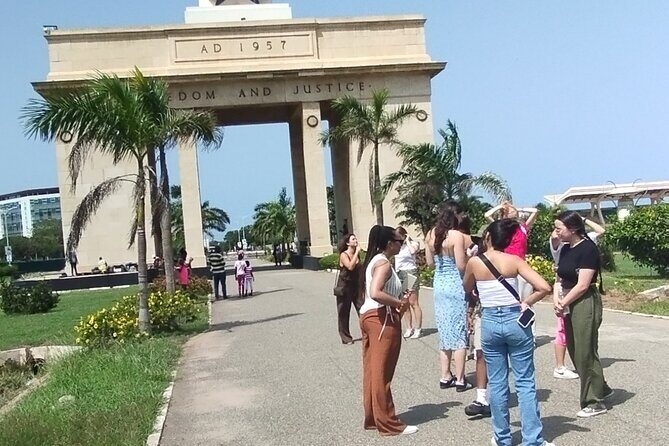
Independence Square is tied to a specific date: Ghana declared independence on 6 March 1957. This is where the modern national story becomes visible in an open public space.
You’ll usually get 45 minutes. The time is designed for photo opportunities and for the lighter activities offered on site. The tour description notes you can take pictures and even ride on a horse for a fun break from sitting in a car and walking through museums.
How to make the most of it: treat Independence Square like a “reset” moment. You’ll likely be a bit warmer by then, so use the time for shade where available, get your photos early, and then enjoy the lighter moments if that interests you.

National Museum of Ghana: art and material culture under one roof
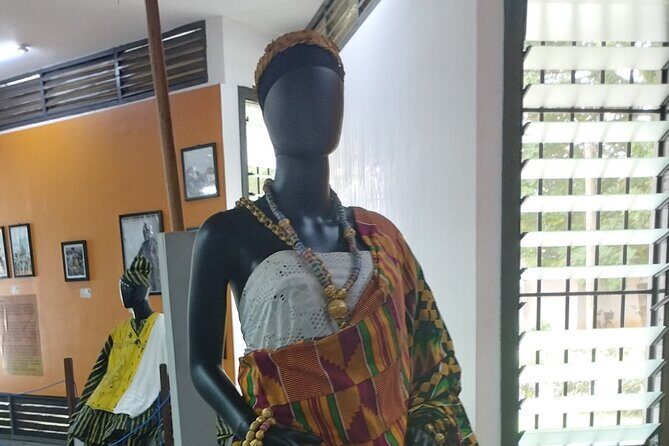
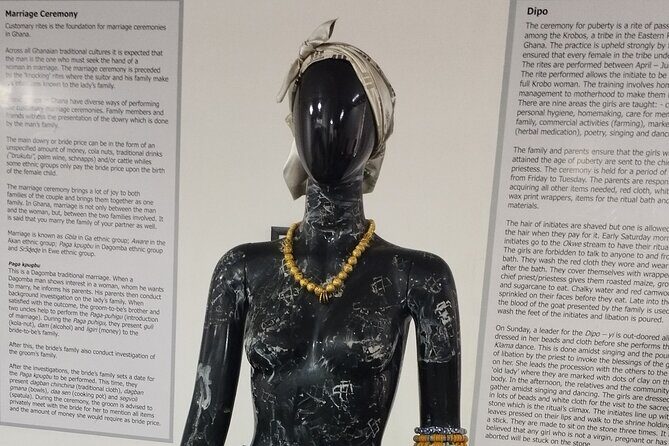
After the outdoor intensity of squares and markets, the National Museum of Ghana gives your day a clear cultural anchor. It’s in Accra and is the largest and oldest of six museums managed by the Ghana Museums and Monuments Board.
The building opened on 5 March 1957, aligning with Ghana’s independence celebrations—so even the museum’s existence is part of the timeline. You’ll have about 1 hour here, which is long enough to get your bearings and see multiple collections without feeling trapped in one room.
What you’ll likely encounter goes beyond paintings. The museum’s displays can include sculptures, fabric art, and materials used in earlier times. That variety helps if you’re interested in how everyday life, craft, and visual culture connect to history.
One practical tip: museums can make it tempting to speed through every room. Don’t. Pick a few sections you find interesting, and spend a bit more time there. With a guide, the explanations you get will make those details stick.
W.E.B. Du Bois Memorial Centre for Panafrican Culture: Pan-African ideas in focus
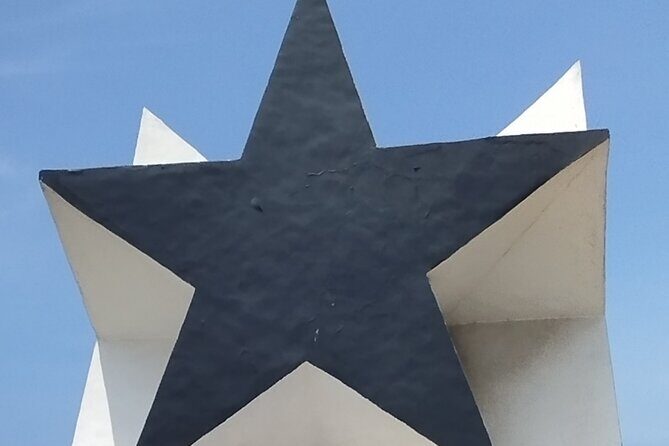
The W.E.B. Du Bois Memorial Centre for Panafrican Culture – Ghana shifts your attention to Pan-African thinking and Du Bois’s influence. The tour time you get is about 45 minutes, and the experience is built around his connection to Pan-Africanism.
You’ll visit parts of the centre linked to his life and legacy, with stops such as his library and grave yard. This is the kind of place where context matters. Your guide should help you connect the ideas of Pan-Africanists to what the centre preserves and presents.
Why this stop works on a city tour: Accra isn’t just architecture and markets—it’s also an intellectual center. This centre gives you a structured way to understand why Ghana’s story connects to wider African and global movements.
A small ordering note: one past group highlighted that their day started at the W.E.B. Du Bois Centre. Even if your stop order differs, don’t be surprised if it plays a major early role in the pacing.
How the 5 to 8 hour schedule stays manageable
This tour is listed as 5 to 8 hours with a start time of 9:30 am. That timing matters because Accra’s heat can build through the day. The itinerary’s stop lengths—usually around 45 minutes and one 1-hour museum slot—create a pattern you can handle without feeling like you need to sprint between locations.
The vehicle support helps a lot. You’ll travel in an air-conditioned vehicle, and you get bottled water included. Those small comforts add up when you’re spending hours in the sun or moving through market areas.
What to do during transitions:
- Keep your essentials easy to grab (sunglasses, hat, light layer, cash for shopping)
- Use the car time to decide what you want from each stop (photos, souvenirs, learning focus)
- Ask your guide for quick practical tips on what not to miss in the next location
Because the tour is private, your guide can adjust the pace to your group’s comfort level. If someone in your party needs extra bathroom breaks or a slower walking rhythm, you’re not stuck with a fixed mass schedule.
Price and value: what $72 includes (and what to budget)
At $72 per person, this tour can be good value if you’re the type who wants to see multiple major Accra highlights in one day without juggling tickets or transport.
Here’s why the price makes sense based on what’s included:
- Pickup and drop-off within Accra means less hassle and more time sightseeing
- Admission fees are included for the listed stops, so you avoid surprise ticket costs
- A professional tour guide adds context, especially for history and museum stops
- Air-conditioned transport plus bottled water lowers your day-to-day overhead
The one clear budget item: lunch is not listed as included. Your day does include time at markets and cultural sites, so you’ll likely be hungry before the end. Plan to pay for lunch separately.
If you’re traveling with friends or family, check the group discount angle. Since it’s priced per person and the tour is private for your group, discounts can make the overall deal noticeably better.
What kind of traveler this suits best
This is a strong match for people who:
- want a history + culture day without planning every stop
- like structured sightseeing with time to shop and ask questions
- prefer a private guide over a large group bus
It’s also a good fit if you care about Ghana’s modern story as much as its art. You’ll hit leadership history, independence symbolism, museum collections, cultural art, and Pan-African ideas—all in one run.
If you’re the type who hates markets, this tour is still doable, but go into Makola Market with a shopping mindset or a browsing plan. Use the guide to help you navigate quickly and keep the energy pleasant.
Should you book the Accra City Tour?
I’d book this tour if you want a guided day that turns Accra’s big names—Makola Market, independence landmarks, and major cultural sites—into something you can understand. The best part is the mix: one stop isn’t just a photo mission, and the included admissions help keep the day from turning into a money-and-ticket scavenger hunt.
Skip it only if your biggest priority is total calm and slow pacing. This is a full-day route with market energy and several key sites. If that sounds good, you’ll likely leave with clearer context, solid photos, and souvenirs that actually connect to the places you visited.
FAQ
How long is the Accra City Tour?
The tour runs about 5 to 8 hours.
Where does the tour take place?
It’s in Accra, Ghana, with pickup and drop-off within Accra City.
What is the price per person?
The price is $72.00 per person.
What time does the tour start?
The start time is 9:30 am.
Does the tour include admission fees?
Yes. Admission tickets are included for each listed stop.
Is lunch included?
Lunch is listed as not included, so you should plan to buy your own meal during the day.
Is this a private tour?
Yes. It’s a private tour/activity, and only your group participates.
What does the tour include for comfort and transport?
It includes an air-conditioned vehicle, professional tour guide, free pickup and drop-off within Accra City, and bottled water.
What’s the cancellation policy?
You can cancel for a full refund up to 24 hours before the experience start time. If you cancel less than 24 hours before, it won’t be refunded.