REVIEW · TAMALE GHANA
3 Days Elephant Safari at Mole Park with round trip flights
Book on GetYourGuide →Operated by Ghana Must Go Tours · Bookable on GetYourGuide
Elephants, mosque history, and shea butter in three days. This Mole National Park safari from Accra blends wildlife time with village life and Northern Ghana culture in a tight, well-paced loop.
I love the guided safari hiking that mixes jeep time with walking, so you’re closer to elephants and other animals than the usual far-off viewpoint.
I also love the cultural stack: a stop at the Larabanga Mosque plus a shea butter processing demonstration. One heads-up: access inside the mosque can be limited, and the workshop may feel a bit sales-oriented even when you’re not buying.
In This Review
- Key things you’ll notice on this 3-day Mole safari
- Mole National Park: what the safari actually feels like on the ground
- Your 3-day rhythm: elephants first, then village life, Larabanga, and shea butter
- Guided hiking in Mole: how to be comfortable while still staying alert
- Larabanga Mosque: a meaningful stop, with a practical expectation
- Shea butter workshop: watching the process is the real win
- Flying Accra to Tamale: value, timing, and the rare travel snag
- Price and what’s included in the $1,100-per-person package
- Who this tour suits best (and who should think twice)
- Should you book this 3-day Elephant Safari at Mole Park?
- FAQ
- How long is the Mole Park safari?
- Where does the tour take place?
- Are round trip flights included?
- Do you get pickup in Accra?
- Is the safari guided and does it include walking?
- Is the tour private?
- What is the accommodation like?
- Are meals included?
- What should I bring, and what’s not allowed?
- Is the price fixed and what does it include?
Key things you’ll notice on this 3-day Mole safari
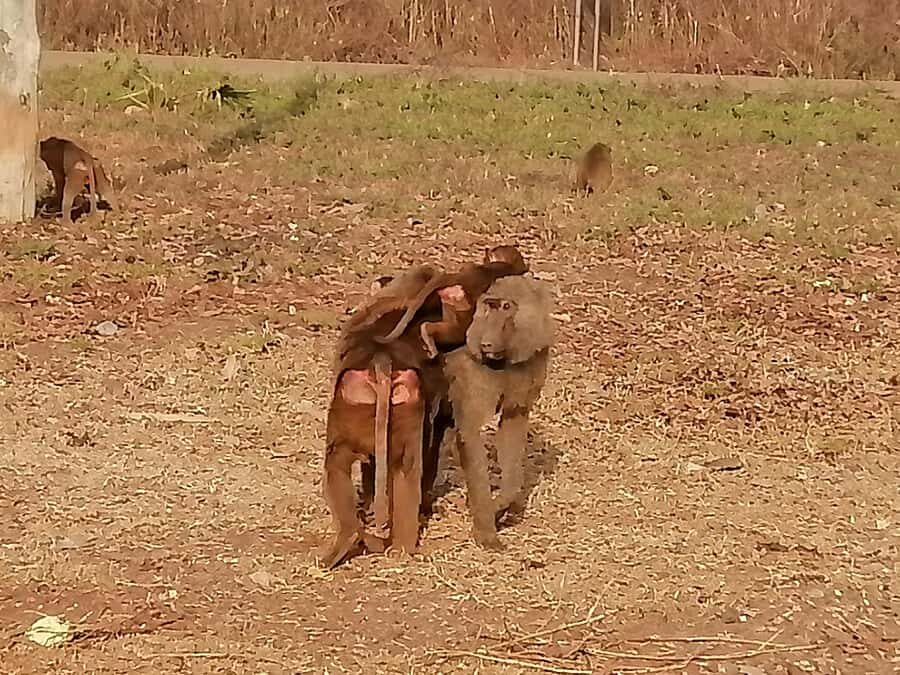
- Jeep-and-walk wildlife time aimed at seeing African wild elephants, baboons, and antelopes
- English-speaking guide and a private group setup for a calmer pace
- Tamale meet-and-transfer so you can focus on the safari instead of logistics
- Larabanga Mosque history stop as part of a culture-heavy day
- Shea butter processing workshop where you watch the work and can decide how you want to engage
- Fully airconditioned ensuite lodging in Tamale to help you reset between activities
Mole National Park: what the safari actually feels like on the ground
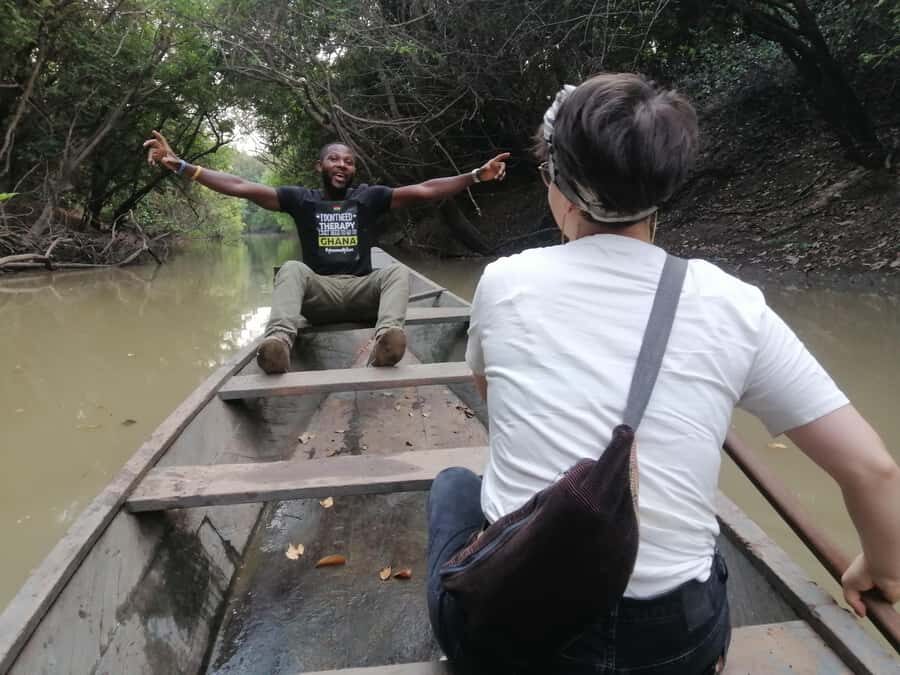
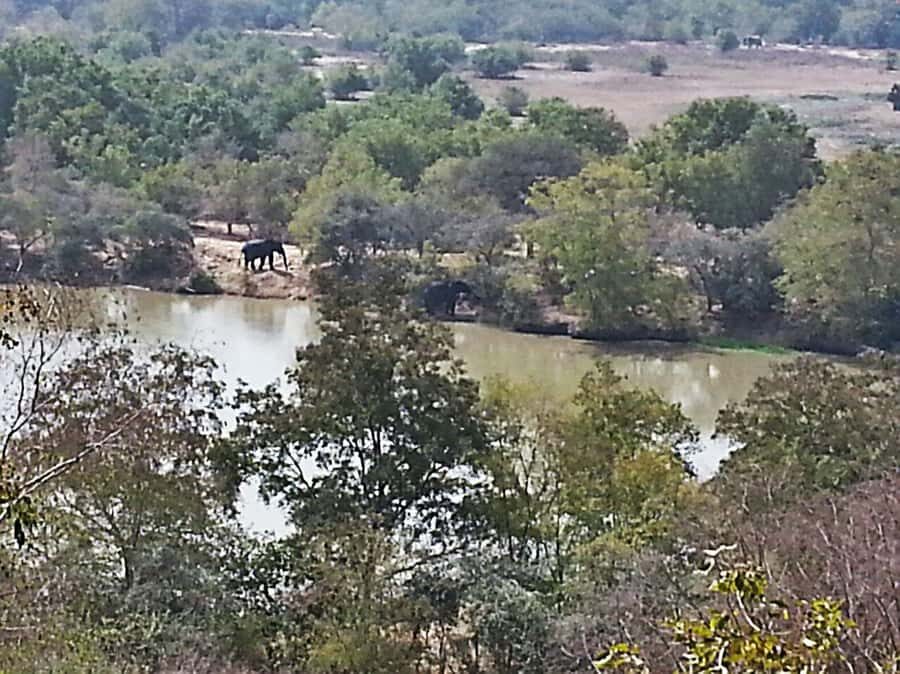
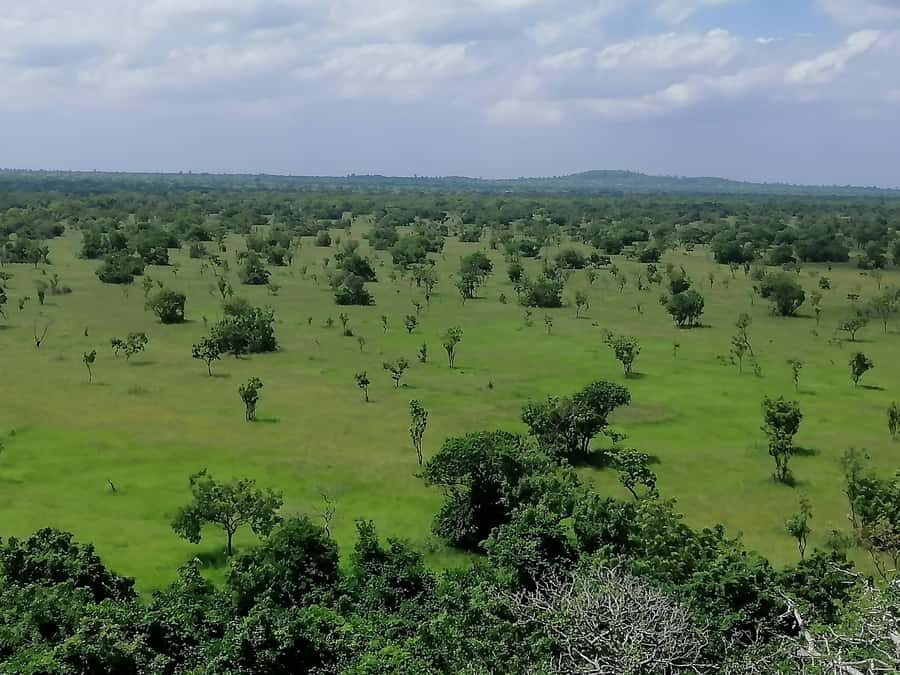
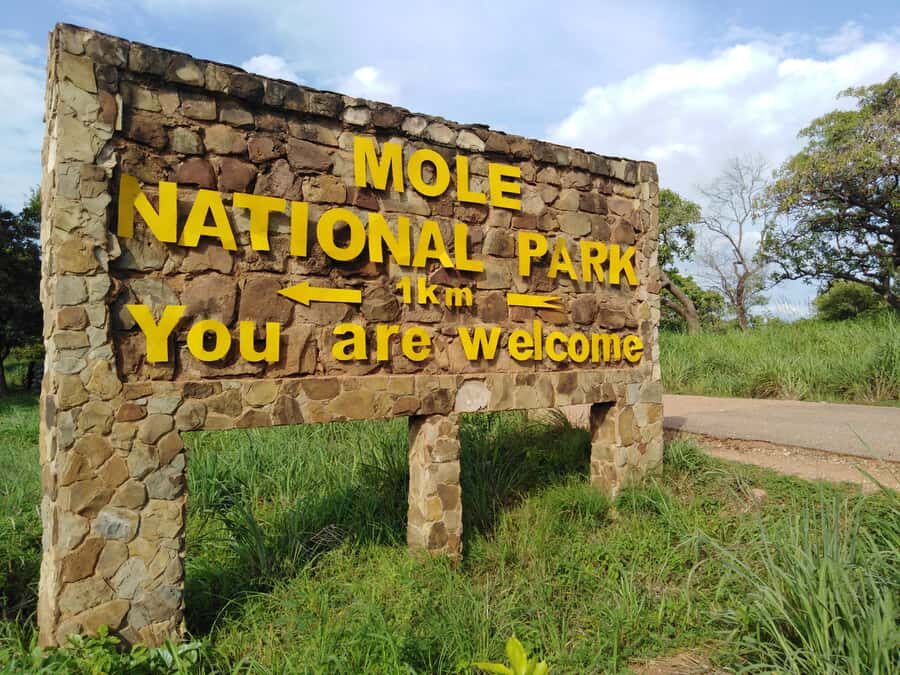
Mole National Park is Ghana’s biggest game reserve, and this trip is built around getting outside and moving with a guide. The centerpiece is a safari hike that’s not just a drive-through. You’ll do both jeep and walking, which changes everything: you hear more, you spot movement earlier, and you notice small signs of animals long before you see them.
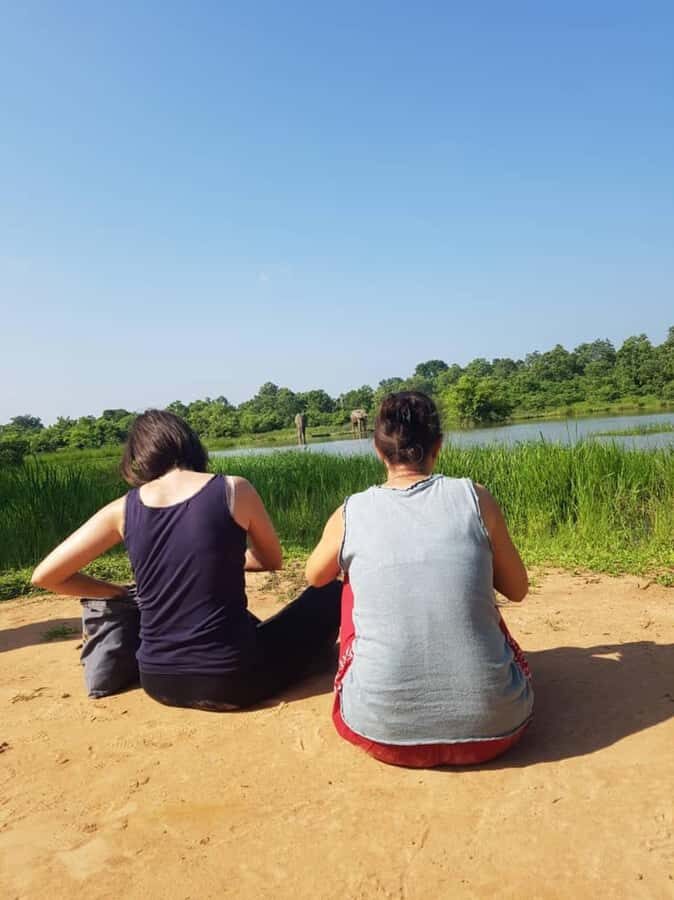
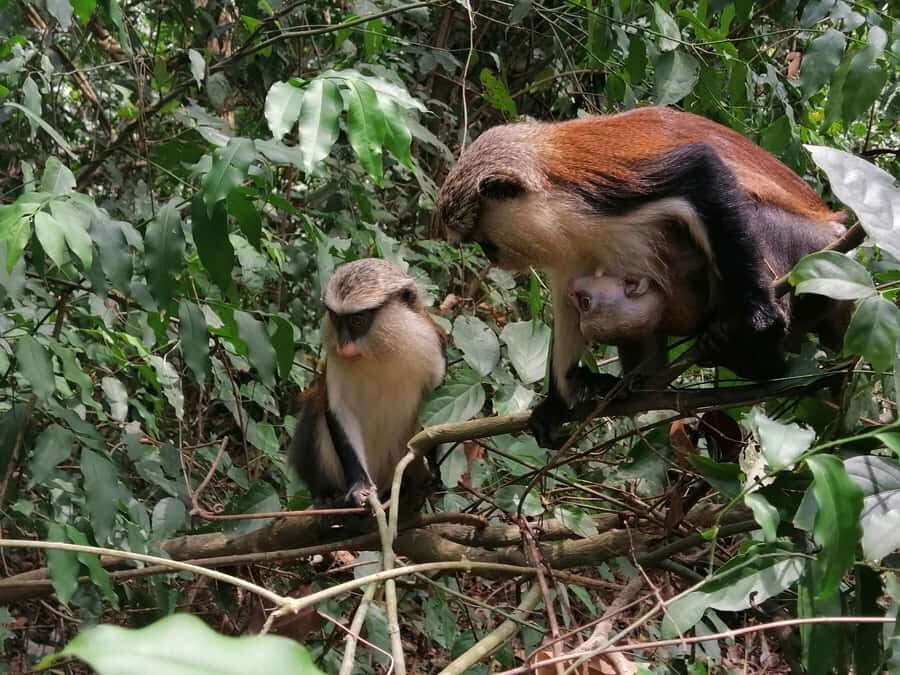
On your hike day, keep your eyes open for African wild elephants, baboons, and antelopes. That mix matters because it tells you the reserve is working at different levels of the food chain—larger animals when conditions allow, and smaller sightings that often come up around the same travel routes. A walking safari also rewards patience. Sometimes the best sightings happen in the quiet minutes while your guide is positioning the group for safer, smarter viewing.
I like that this safari is guided, not just a ticket to a park gate. Your guide is the one translating what you’re seeing into something meaningful—what tracks might mean, what behavior to watch for, and how to handle the day when you don’t get that one perfect elephant moment at exactly the right time.
Your 3-day rhythm: elephants first, then village life, Larabanga, and shea butter
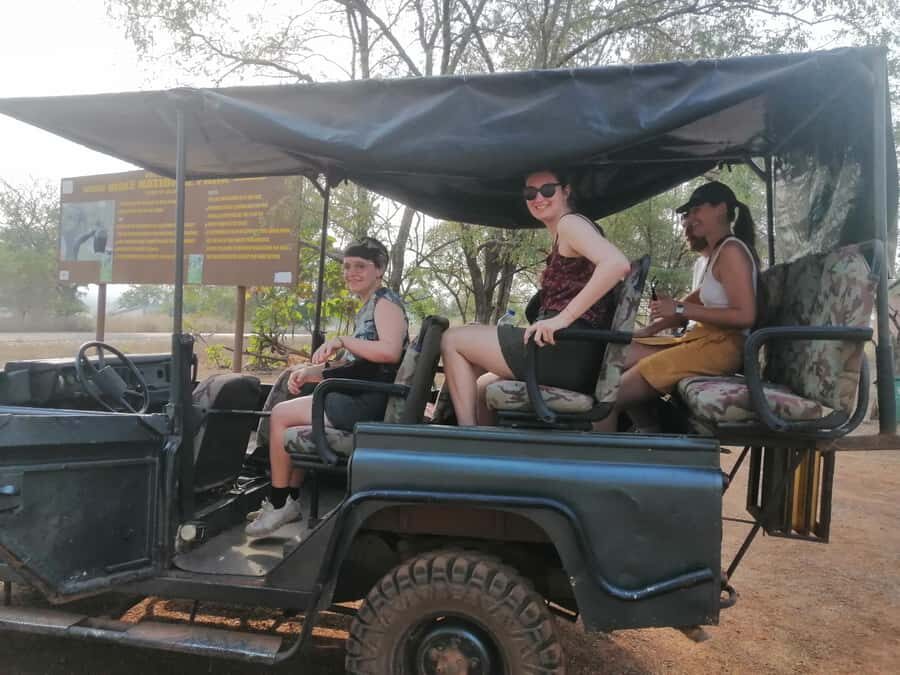
The overall flow is straightforward: fly in, spend the key day on safari, then build the rest of the experience around culture and craft.
You start by meeting a staff member at Tamale Airport. From there, your guide and driver handle the transfer to your hotel in Tamale. This matters because it removes the biggest friction point of a Ghana domestic connection: once you’re on the ground, you’re not chasing rides or trying to figure out where your program is supposed to start.
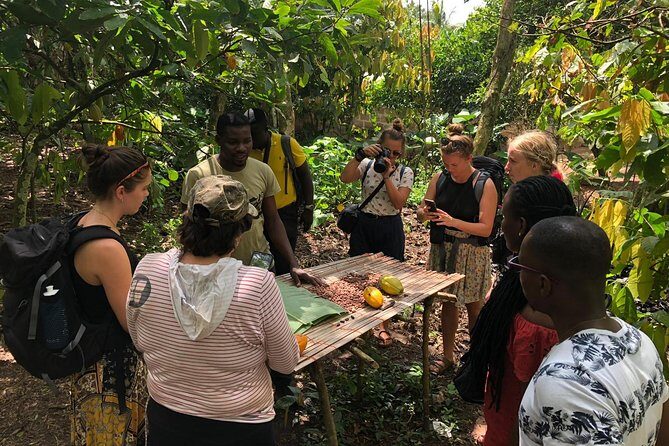
The next day is the safari day in Mole National Park. You’ll go with a guided plan that includes both jeep and walking. After the safari, the schedule pivots from wildlife to people—visiting a traditional Ghanaian village where you learn about day-to-day local life. It’s not presented as a museum stop; it’s closer to a chance to see how community living connects to the land and seasonal work.
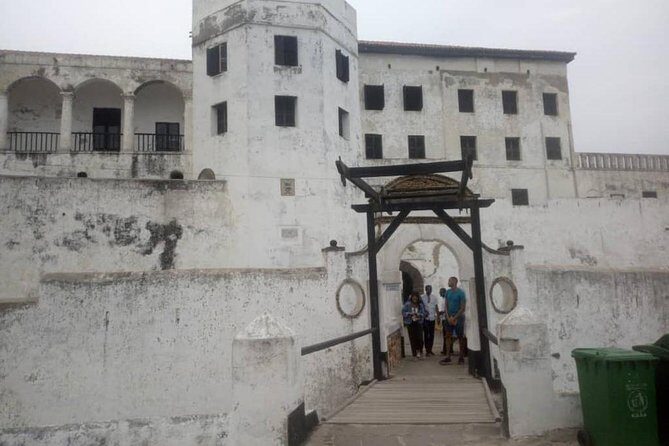
Then you move on to Larabanga. You’ll visit the Larabanga ancient mosque and learn about its history. After that comes the shea butter processing workshop and demonstration. This sequence keeps the day balanced: animals and landscape energy first, then the human side of Northern Ghana—faith, village life, and the hands-on work that supports livelihoods.
On the final day, you’ll transfer back to Tamale Airport for your return domestic flight to Accra, keeping the trip compact and minimizing wasted time.
Guided hiking in Mole: how to be comfortable while still staying alert
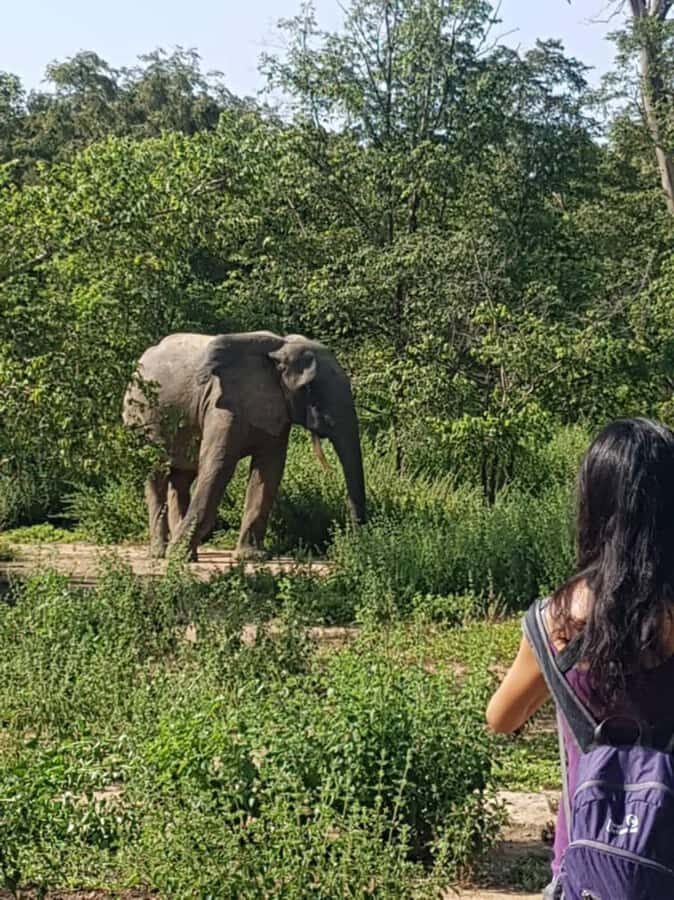
This is an active tour. Even with jeep time, you’re still doing a guided hike, and that means your body needs a plan.
Start with the basics: bring a hat, camera, and water. Those aren’t random “tourist” recommendations. In this part of Ghana, the sun can be strong, walking time can add up, and staying hydrated helps you stay sharp for spotting wildlife.
Wear comfortable clothing and sturdy footwear. The tour also says bare feet aren’t allowed, which is one of those details that’s easy to overlook until you’re already packing. Also, there are restrictions like no smoking and no baby strollers, so plan your group accordingly.
Private group is a quieter perk here. It means your guide can pace you better and keep the hike safe and manageable. If you’re coming from Accra, the domestic flight gets you to Tamale quickly, but the next day still asks you to shift into safari mode fast. Arrive rested, and don’t treat this day like a casual walk in the park.
What you’ll do during the hike is less about a fixed route and more about following where animals are likely to be and where conditions are suitable. That’s why a good guide matters. The guide helps you read what’s happening around you—when to slow down, when to move, and when to stop so the group doesn’t spook wildlife.
Larabanga Mosque: a meaningful stop, with a practical expectation
Larabanga isn’t just a name on a map. The tour includes a visit to the Larabanga ancient mosque and a look at its history, so you’re not only sightseeing—you’re hearing context for why this site matters.
One thing to know ahead of time: access inside can be limited. In other words, you might not get the full experience of seeing everything up close the way you expect. This isn’t a reason to skip it. It just helps to arrive with the right mindset. Think of it as a history and setting visit first, and plan your expectations around what you’re allowed to view.
Also, these kinds of heritage stops can come with local customs and etiquette. The best way to get a good experience is to stay respectful, follow your guide’s instructions, and keep your questions simple and direct.
Shea butter workshop: watching the process is the real win
The shea butter portion is more than a photo stop. You’ll visit a shea butter processing workshop and get a demonstration of how it’s made. That’s valuable because it connects what you see in Northern Ghana to a product people rely on across everyday life.
In practice, this is also where you may feel some pressure. One of the cautionary notes that shows up with experiences like this is that you can be asked about purchasing shea products, and the request might continue even if you say no. If you want the workshop but not the shopping side, that’s fine. Decide in advance how you want to handle it, and keep your boundary clear.
My advice: treat it like a workshop visit, not a market. Watch the process, ask questions if your guide encourages it, and only buy if you genuinely want to. Saying no politely is part of being a respectful guest, and you shouldn’t need to feel guilty for it.
Flying Accra to Tamale: value, timing, and the rare travel snag
This tour includes round trip domestic flights from Accra to Tamale and back. That’s a big deal for value, because it saves you the time and expense of long overland travel. It also helps you keep the trip to three days, rather than turning it into a longer regional slog.
You’ll fly to Tamale, then meet the program staff at Tamale Airport. Pickup and drop-off are from Tamale Airport only. After booking your flight, tickets are sent to you so you can handle getting yourselves to the Accra airport. That’s an important planning detail: your tour day starts once you land in Tamale.
There’s also a practical note: domestic flight availability affects whether this product works as scheduled. And if your return flight is cancelled, you would bear overnight stay costs in Tamale in that unlikely event. That’s not the most cheerful line, but it’s better to know it upfront so you can plan with eyes open.
If you’re staying in Accra before departure, it helps that Uber and local taxis work well there, or you can ask your hotel for an airport drop-off (terminal 2 or the domestic airport).
Price and what’s included in the $1,100-per-person package
At $1,100 per person, you’re paying for a bundle that combines transport, lodging, guided guiding, and several structured cultural visits. What makes the price feel more reasonable is that it isn’t just “a safari day.”
Included highlights you should price mentally against separate bookings:
- Round trip domestic flights
- Fully airconditioned ensuite accommodation in Tamale
- Pickup and drop-off at Tamale airport
- Guided safari hiking with both jeep and walking
- Visits to traditional Ghanaian villages
- Tour of the Larabanga ancient mosque
- Shea butter processing demonstration
What’s not included is meals and drinks. That’s common, but it’s also something to budget for so you don’t arrive thinking food is automatically covered. If you want an easier trip, plan to spend a little extra time finding simple meals around your hotel before safari day starts.
Overall, I see this package as good value if you want a focused Ghana Northern Region experience without stitching together lots of separate arrangements. If you’re comfortable planning flights and transfers yourself, you might find cheaper options—but you’ll also give up the tight schedule and built-in guides that make this trip work smoothly.
Who this tour suits best (and who should think twice)
This works well if you want wildlife plus culture in one compact itinerary. The safari hike isn’t optional fluff—it’s the core. If you enjoy being outdoors, spotting animals, and walking with a guide, you’ll likely find Mole more rewarding than a standard drive.
It’s also a good fit if you want guided structure for Larabanga and the village visit. Those stops can feel more meaningful when someone explains what you’re seeing and why it matters.
Think twice if:
- You hate active days or aren’t comfortable with walking (even if there’s jeep time)
- You strongly dislike any workshop-style sales pressure. You can say no, but the request to buy can happen.
- You’re traveling with a baby stroller, since strollers aren’t allowed on this activity
If you’re traveling as a private group, this package is also calmer. You won’t be stuck in a large group that forces compromises on pacing and attention.
Should you book this 3-day Elephant Safari at Mole Park?
Book it if you want your Ghana trip to mix real safari walking time with guided cultural stops, without turning your days into a logistics puzzle. The included flights, Tamale lodging, and organized visits are what make this feel like a complete, efficient package.
Skip it or adjust your expectations if you only want a classic “see everything” sightseeing plan. Mosque access can be limited, and the shea butter workshop can come with purchase prompts. Still, you can come for the process and the context, not the shopping.
If you like practical travel plans—where you know you’ll be picked up in Tamale and guided all the way through the key moments—this is a strong match for a three-day hit in Northern Ghana.
FAQ
How long is the Mole Park safari?
It’s a 3-day experience.
Where does the tour take place?
The tour is in Ghana’s Northern Region, with activities centered around Mole National Park.
Are round trip flights included?
Yes. Round trip domestic flights are included.
Do you get pickup in Accra?
No. Pickup and drop-off are at Tamale Airport only. You’ll need to get yourselves to the Accra airport for your domestic flight.
Is the safari guided and does it include walking?
Yes. You’ll have guided safari hiking, with both jeep and walking time.
Is the tour private?
Yes, it’s a private group with an English-speaking live tour guide.
What is the accommodation like?
You’ll stay in fully airconditioned ensuite accommodation.
Are meals included?
Meals and drinks are not included.
What should I bring, and what’s not allowed?
Bring a hat, camera, and water. Smoking isn’t allowed, baby strollers aren’t allowed, and bare feet aren’t allowed.
Is the price fixed and what does it include?
The price is $1,100 per person and includes domestic flights, lodging, airport transfers in Tamale, guided safari hiking, traditional village visits, the Larabanga Mosque tour, and a shea butter demonstration. Meals and drinks are not included.