REVIEW · ACCRA
Accra Architectural Tour
Book on GetYourGuide →Operated by TourGuideKormi · Bookable on GetYourGuide
Accra is a city where buildings talk. This guided architecture tour strings together pre- and post-colonial streets so you can read the history in real time, from Danish and Dutch influence down to Jamestown’s Ga-Mashie roots. I like that the tour is built around walking (about 3–4 hours) plus smart stops, so the story doesn’t stay stuck in theory.
I also like the way it ends with something practical: souvenir shopping at the Accra International Art Centre so you can take part of the culture home instead of only photos. One thing to consider: you’ll be on your feet for a meaningful chunk of the day, and Accra’s sun can be intense, so pack for comfort or you’ll feel it by hour three.
In This Review
- Quick Hits Before You Go
- Why Accra’s Architecture Is the Shortcut to Understanding Ghana
- The Danish, Dutch, and English Streets: A Walk That Teaches You to See
- Jamestown’s Ga-Mashie Neighborhood: Where the Stories Feel Grounded
- Accra International Art Centre: Souvenirs With a Story Attached
- How the 6-Hour Format Fits a Real Day in Accra
- Guides, Languages, and the On-the-Go Backup of an Audio Tour
- What You’re Paying For: Value at $130 per Person
- Who This Tour Fits Best (and Who Might Prefer Another Plan)
- Should You Book the Accra Architectural Tour?
- FAQ
- How long is the Accra Architectural Tour?
- How much of the tour is walking?
- What neighborhoods and places does the tour visit?
- What languages are offered?
- Is transportation included?
- Are entrance fees included?
- What should I bring?
- Is the tour wheelchair accessible?
- Is there free cancellation?
Quick Hits Before You Go
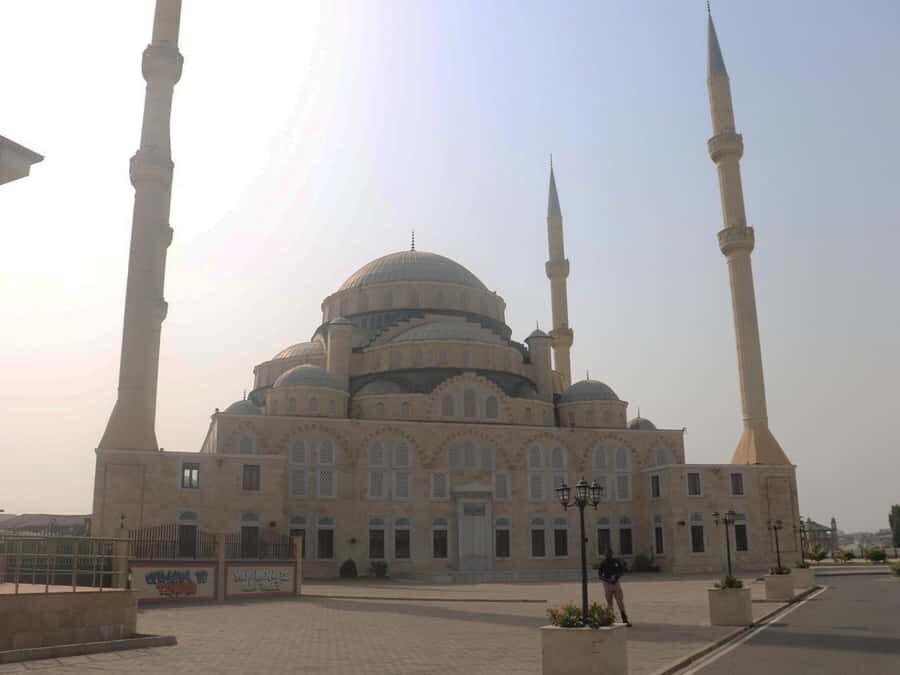
- Danish, Dutch, and English neighborhoods on a focused 3–4 hour walking route
- Ga-Mashie in Jamestown for local perspective and place-based stories
- Audio guide in three languages (English, French, German) to match the live narration
- Accra International Art Centre for art and souvenirs with context, not random browsing
- Private-vehicle transport for smoother links between districts during a 6-hour day
Why Accra’s Architecture Is the Shortcut to Understanding Ghana
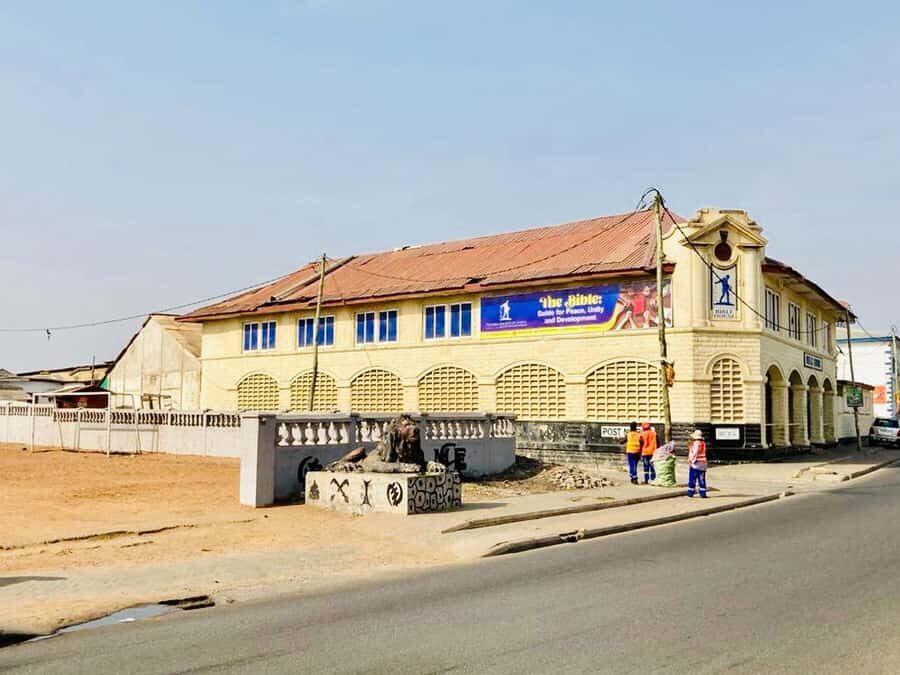
Accra’s city fabric is basically a timeline. You’ll see how European powers left physical marks—then watch how local life kept shaping and reshaping those spaces. That’s the heart of this tour: you’re not just looking at pretty buildings. You’re learning what power, trade, and settlement looked like on the street level.
The best tours like this help you notice details fast. On this one, you move through areas where older structures are still standing, including homes and mansions tied to early Danish and Dutch colonizers. You’ll also hear the stories behind local landmarks, so the architecture becomes a map of cultural mixing rather than a museum display.
You can also read our reviews of more tours and experiences in Accra.


The Danish, Dutch, and English Streets: A Walk That Teaches You to See
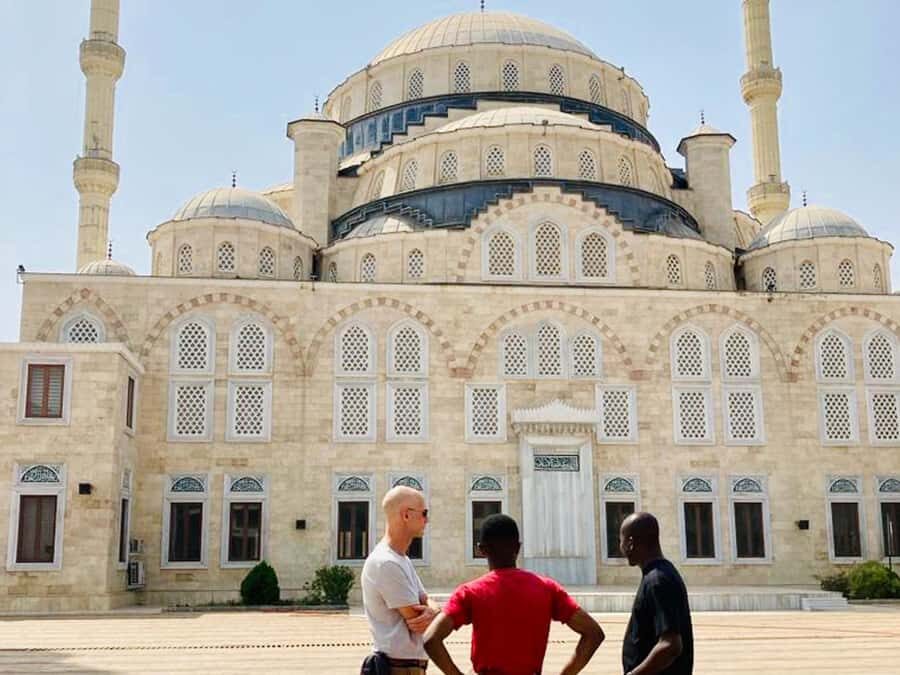
The middle of the tour is a guided walking section of about 3–4 hours, aimed at Accra’s historic coastal neighborhoods. This is where the tour earns its value, because walking keeps you close to the scale of everyday life: doorways, facades, street layouts, and the way buildings sit with the road.
You’ll follow your guide through streets where you can connect what you’re seeing to what happened. The tour focuses on elegant homes and imposing mansions built by the first Danish and Dutch colonizers, then places them in the wider story of how English influence also shaped parts of the city. The guide’s job here is to help you translate architecture into meaning. For example, instead of you only noticing “old vs new,” you learn what kinds of neighborhoods formed and why.
Practical tip: bring sports shoes and keep your camera ready. You’ll likely want to take photos at building-front level, not just from far away, because the details are what make these places click.
Jamestown’s Ga-Mashie Neighborhood: Where the Stories Feel Grounded
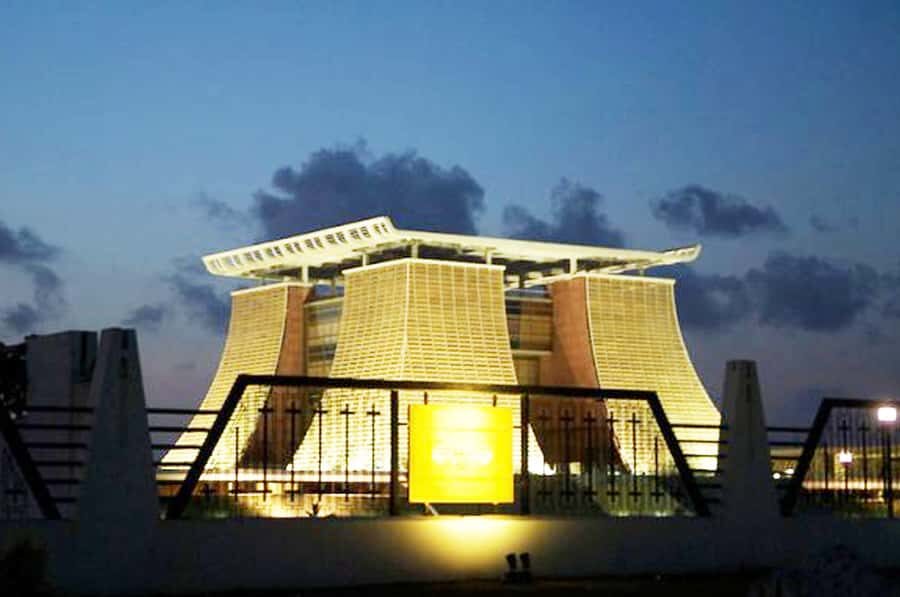
After the walking section, the tour moves toward Ga-Mashie in Jamestown. This shift matters. Danish and Dutch-influenced streets can sometimes feel like a history lesson delivered through stone and symmetry. Jamestown brings the story back to people—coastal life, community identity, and the continuing importance of local heritage.
In Ga-Mashie, you’re there for heritage and neighborhood character, not just architecture-as-objects. Expect your guide to connect what you’ve already learned to the lived reality of Jamestown. This is a good part of the tour to ask questions, because your guide can usually tie streetscape observations to local meaning—what the place represents, and how history is remembered.
If you’re visiting Accra for the first time, this stop helps you avoid the common trap of thinking European history is the whole story. Here, European influence is one chapter. Local heritage is the voice that keeps turning the page.
Accra International Art Centre: Souvenirs With a Story Attached
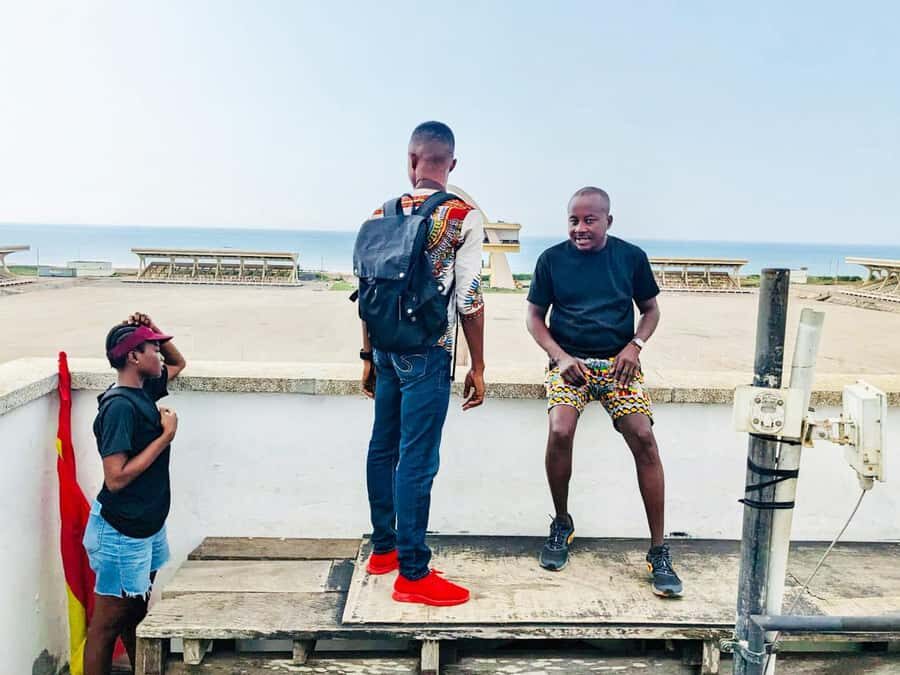
The final stop is the Accra International Art Centre, where you can do souvenir shopping. This is more than a shopping break. The location is a chance to bridge what you learned on the streets with something you can take home that reflects Ghanaian creativity.
You’ll be able to buy art and souvenirs at a natural pace—time to browse without rushing back to the next stop. And because you’ve just spent the day learning about heritage and place, you’re better positioned to choose items you actually connect with.
Small practical advice: keep some space in your daypack. Even small art pieces can be bulky once you add packaging.
How the 6-Hour Format Fits a Real Day in Accra
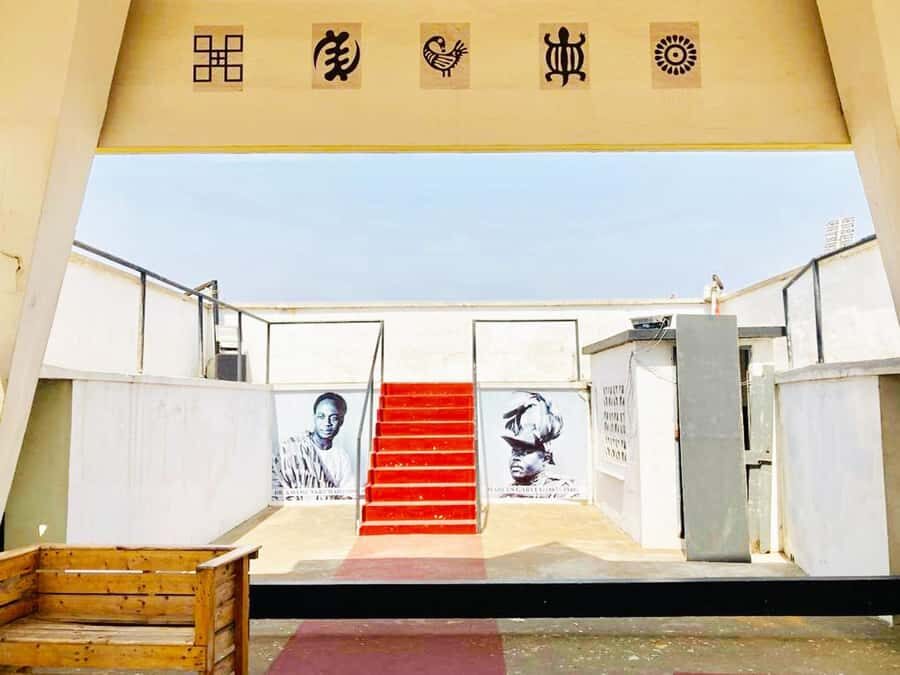
This is a 6-hour tour, which is a solid length for first-time visitors who still want a full day buffer afterward. The structure is also practical: a chunk of walking, linked by transportation in a private vehicle, so you’re not spending the whole day in traffic between distant points.
The pacing also helps with comfort. You get walking time for the neighborhoods where you need to be on foot. Then you get vehicle time when you’re moving to the next zone, like Jamestown and the art center. That rhythm makes the tour easier to manage in heat.
What to bring (seriously, don’t freestyle this):
- Sunglasses, hat, and sunscreen for sun protection
- Water for hydration during the walking portion
- Passport or ID card (useful for day tours in many places)
- Any personal medication you need
- A camera (you’ll want it)



Guides, Languages, and the On-the-Go Backup of an Audio Tour
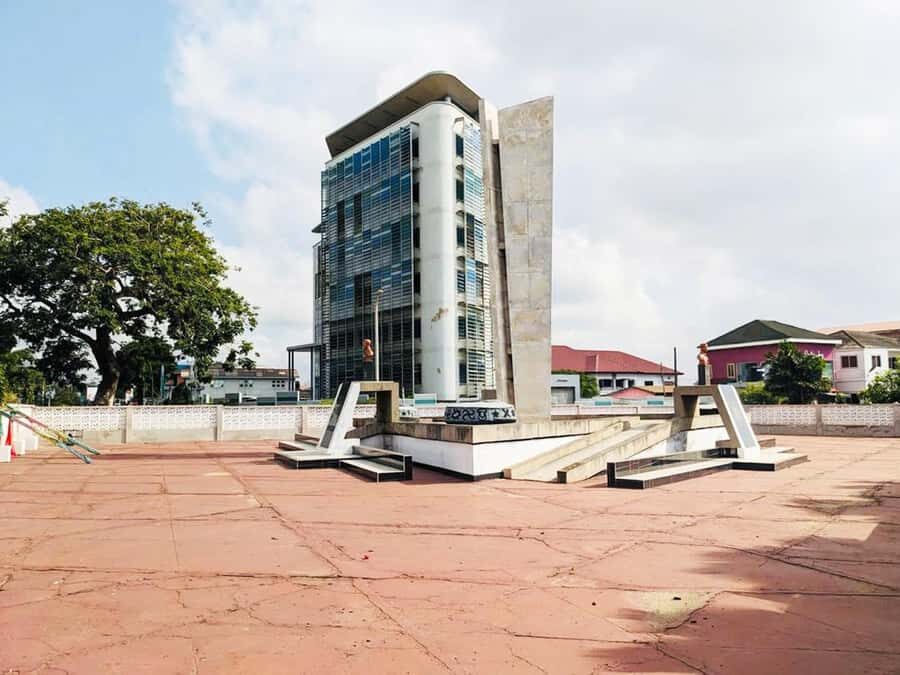
You’ll travel with an experienced English-speaking tour guide, and the tour is offered in English and French as live interpretation. On top of that, there’s an audio guide included in English, French, and German. That dual format is quietly smart.
Here’s why it matters for you: if the live guide is moving quickly, or if you’re standing in a spot where sound is tricky, the audio guide gives you a backup without feeling lost. It also helps if you’re traveling with someone who understands one language more than the other.
In terms of the people behind the experience, I’ve seen strong praise for Kormi’s team, including guides such as Abena and Princess, plus a driver named Kwame who’s described as friendly and easy to talk with. Even if you don’t catch every name, the takeaway is consistent: the team works hard to make you comfortable and informed.
What You’re Paying For: Value at $130 per Person
At $130 per person, the question is whether you’re getting more than a casual city walk. Here, you are. You’re paying for:
- Private vehicle transportation during parts of the route
- An experienced guide (live interpretation)
- Entrance fees included
- Skip-the-ticket-line support at stops
- Audio guide access in multiple languages
For me, the value hinges on two things. First: you’re buying context. Architecture tours fall apart when the guide can’t explain why a building matters. Second: you’re buying time. A guided route saves you from piecing together what to see and in what order, especially in neighborhoods where you don’t want to wander aimlessly.
That said, $130 can feel like a lot if you want “architecture only, no conversation.” This tour is story-forward. If you love hearing how neighborhoods connect to heritage and European influence, it’s a strong match. If you’re after something more independent and self-directed, you might feel less satisfied.
Who This Tour Fits Best (and Who Might Prefer Another Plan)
This tour is a great fit if you:
- Want a structured way to understand Accra without getting overwhelmed
- Like walking with a guide who explains the “why,” not just the “what”
- Enjoy cultural context tied to real places, not abstract facts
- Want a final stop that turns learning into something you can take home, like art shopping
It may not be ideal if you:
- Don’t like walking for hours, even with breaks and vehicle segments
- Prefer slower pacing with fewer stops (this is designed as an active day)
- Are looking for a totally different theme like food or nightlife, rather than architecture and heritage
If you’re a solo traveler, it’s also worth noting that Kormi’s team has a reputation for taking care of people and making them feel comfortable during the day. That’s the kind of detail that matters more than you think.
Should You Book the Accra Architectural Tour?

Yes, if your goal is to understand Accra through buildings, neighborhoods, and heritage stories. The walking route through the Danish/Dutch/English areas is the engine of the tour, and the Ga-Mashie stop brings the perspective back to local identity. The Accra International Art Centre is a smart finish, because it gives you a meaningful souvenir option instead of ending on a generic storefront.
Before you book, check your comfort with sun and walking, and pack accordingly. If that part sounds fine, this tour is a worthwhile way to make your first day in Accra feel organized and genuinely informative.
FAQ
How long is the Accra Architectural Tour?
The tour lasts 6 hours.
How much of the tour is walking?
There is a 3–4 hour walking tour as part of the day.
What neighborhoods and places does the tour visit?
You’ll visit the Ga-Mashie neighborhood of Jamestown, explore Accra’s Danish, Dutch, and English neighborhoods, and finish at the Accra International Art Centre.
What languages are offered?
The live tour guide is available in English and French. An audio guide is also included in English, French, and German.
Is transportation included?
Yes. The tour includes transportation in a private vehicle.
Are entrance fees included?
Yes. Entrance fees are included.
What should I bring?
Bring sports shoes, comfortable clothes, sunglasses, water, hat, sunscreen, a camera, passport or ID card, and any personal medication.
Is the tour wheelchair accessible?
Yes, the tour is wheelchair accessible.
Is there free cancellation?
Yes, you can cancel up to 24 hours in advance for a full refund.