REVIEW · TAMALE
3 Days Sunrise Elephant Safari-Mole Park with -Round Trip Flight
Book on Viator →Operated by Best Ghana Tours · Bookable on Viator
Elephants up close, with a dawn twist.
This 3-day Mole National Park safari is interesting because it mixes jeep safaris with a sunrise walking safari, so you’re not relying on one single type of sighting. I like that it’s built for probability: sunset viewing from the jeep, then early foot time, plus a calm dam-and-swimming break where wildlife comes to you. I also like the added human side, from Larabanga’s historic Muslim community to the Mognori canoe and hands-on shea butter experience. One possible drawback: lunch and dinner aren’t included, so you’ll want to budget for meals outside the trip price.
The trip starts with an airport pickup in Tamale, then it quickly adds real local texture—like stopping at the Savannah Centre for Contemporary Art (SCCA) before heading toward the park. In the background, the human factor matters here: Best Ghana Tours has solid continuity, and in particular the guide Ayuba (with Paul and Saburu mentioned in past experiences) is the kind of person who helps you read animal behavior instead of just chasing it.
If you’re mainly after a slow, resort-style holiday, this won’t match that vibe. The days are active, and part of the charm (early starts and long stretches outdoors) can feel like a lot if you’re not into heat, dust, and waiting for wildlife.
In This Review
- Quick hits you’ll feel right away
- Tamale Airport Pickup and a Fast Taste of Northern Culture (SCCA included)
- Getting Into Mole National Park: Why “Sunset Jeep” Sets Up Your Whole Trip
- Morning Walking Safari and Dam Viewpoints: Your Best Chance for Quiet Elephant Moments
- Mognori Eco-Canoe Safari: Village Life Plus Birds Plus River Quiet
- Larabanga Mosque and Trade Route History: A Real Cultural Contrast to Safari Time
- Price and Logistics: Is $780 Good Value for This Mole Package?
- What the 3 Days Feel Like on the Ground (and how to plan your energy)
- Should You Book This Mole Elephant Safari from Tamale?
- FAQ
- How long is the safari experience?
- Where are the flights from and to?
- Is accommodation included?
- Are meals like lunch and dinner included?
- What safari activities are part of the 3 days?
- Do you visit Larabanga and the Savannah Centre for Contemporary Art?
- What is the cancellation refund window?
Quick hits you’ll feel right away
- Sunrise walking safari in Mole: you start early and on foot, not just from a vehicle.
- Two-mode elephant strategy: sunset jeep + morning walking boosts your chances in a huge park.
- Mognori Eco-Village canoe safari: thick-forest river time plus a village/community tour.
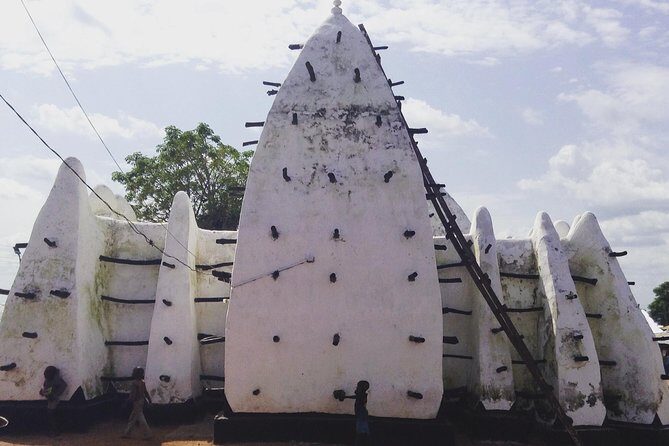
- Larabanga Mosque stop: a 100% Muslim community visit tied to trans-Sahara trade history.
- Round-trip domestic flights: Accra ⇄ Tamale included, which cuts down on hassle and travel time.
- Breakfast included, but not full board: you’ll pay for lunch/dinner separately.
Tamale Airport Pickup and a Fast Taste of Northern Culture (SCCA included)
Your trip begins in Tamale, with pickup from the airport. That’s a big deal in Northern Ghana. You avoid the awkward scramble of sorting transport the moment you land, and you get to settle in before the park driving starts.
Before you head toward Mole National Park, you stop at the Savannah Centre for Contemporary Art (SCCA). It’s not the usual “airport-to-safari” routine. Admission is free, and SCCA is an artist-run space focused on contemporary art, exhibitions, and cultural research. For me, this kind of stop makes the whole trip feel less like a straight line and more like a visit to a place with its own ideas, not just a backdrop for wildlife.
This is also where you’ll get your first sense of the tone of the group. It’s a private setup, so you’re not squeezed into a rigid crowd schedule. You’ll have your own guide/driver working from a plan, which usually means questions get answered instead of ignored.
A few more Tamale tours and experiences worth a look
Getting Into Mole National Park: Why “Sunset Jeep” Sets Up Your Whole Trip
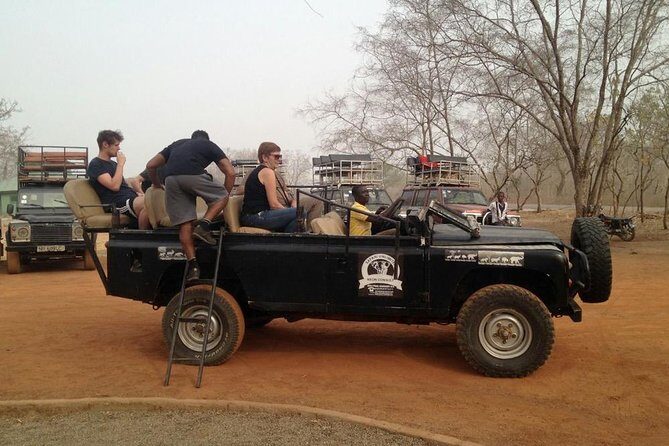
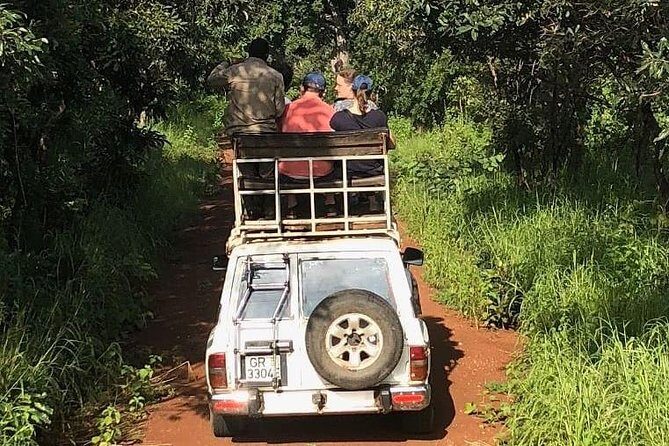
The drive from Tamale to Mole National Park takes about two hours. After that, you’re positioned for your first major wildlife block: a sunset evening jeep safari.
This part matters because it’s not just about pretty light. Mole National Park is large—about 4,912 km²—and animals don’t all behave the same way at the same hour. Late-day movement often changes how animals respond to vehicles, and sunset is one of the times when you can get a mix of calm sightings and sudden bursts of action.
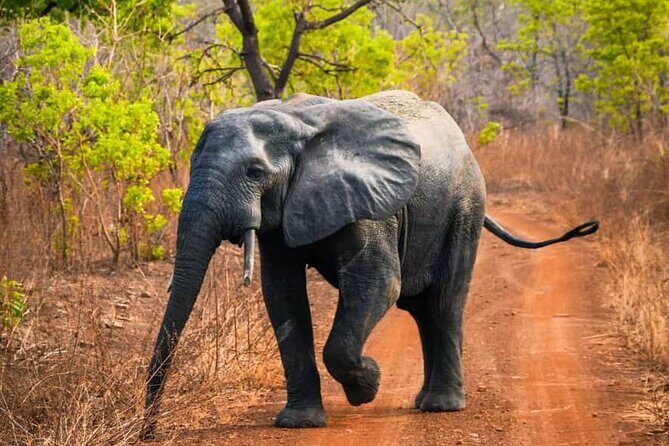
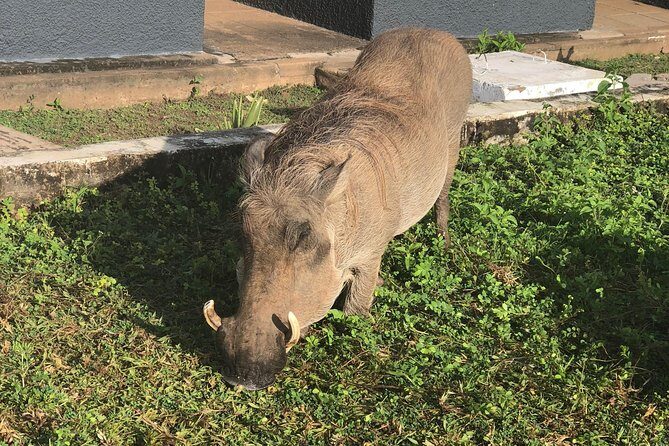
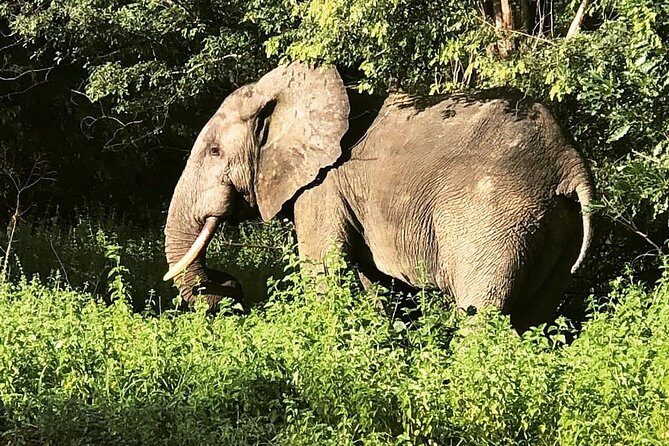
The safari is described as giving you exposure to a huge range of species: warthogs, water bucks, kobs, bush bucks, hartebeests, antelopes, baboons, monkeys, plus lots of birdlife. And the elephant angle is direct: the park has an estimated elephant population of 436 (plus the chance to spot them around the broader ecosystem).
You’ll also be learning along the way. One of the stated highlights is understanding conservation efforts at the park. You won’t just be watching animals like they’re props. The goal is that you come away with a clearer sense of why Mole is protected and how that protection affects what you see.
If you’re the type who likes wildlife photography, keep expectations realistic. Sunset jeep time is often hit-or-miss on exact moments. But it’s a strong way to get your “animal radar” switched on quickly.
Morning Walking Safari and Dam Viewpoints: Your Best Chance for Quiet Elephant Moments
Day two leans into the early magic: a morning walking safari where you watch the sunrise. Walking safaris tend to feel more intimate because you’re closer to the details—tracks, bird calls, the subtle signs of animals passing nearby. You also tend to notice smaller behavior that you miss from inside a vehicle.
If elephants are your main goal, walking time can be a special kind of gamble. You’re not in a metal bubble, and that changes how you perceive distances and movement. The payoff is that when you do see something, it often feels more immediate.
After that morning, you get a few hours of downtime at a viewpoint area. This is a smart rhythm choice. You’re not rushing constantly. Instead, you can watch wildlife come to drink or swim near the dam. The tour description even frames it as hoping an elephant will show up near the hotel area to say hello.
This is the part where you learn the value of patience. With elephants and many large mammals, the most exciting sightings sometimes come after you stop trying to force them. You’ll benefit from simply watching: look for movement on edges, listen for alarm calls, and note how birds react. Your guide’s job here is to help you read those signals, not just drive.
Mognori Eco-Canoe Safari: Village Life Plus Birds Plus River Quiet
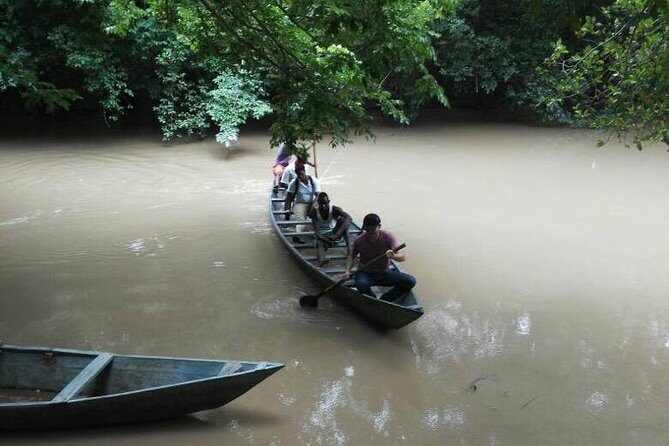
On day two, you shift from road and foot to water with an Eco-canoe safari in Mognori. This is one of the most distinctive elements of the whole trip, because it’s not a standard “game drive copy.” You head into the Mole River under a thick forest canopy, and you explore at canoe speed, not vehicle speed.
That slow pace changes everything. You can notice animals drinking at the waterline, and you get a strong birdwatching angle because birds often react fast when the canoe passes quietly. The description also highlights the soundscape—singing birds and the feel of moving through a shaded river corridor.
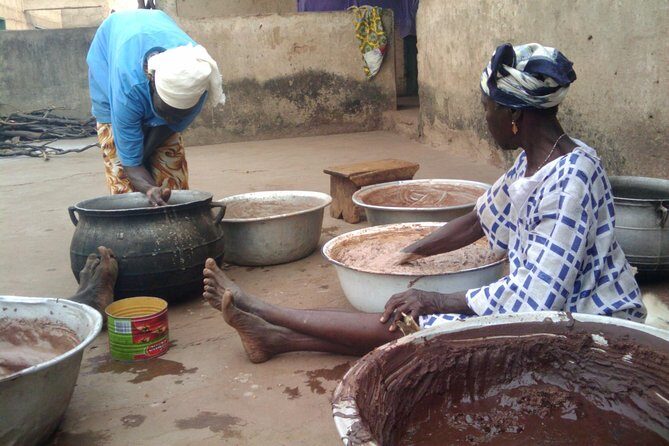
Then comes the community side, which is a big part of the value here. After the river portion, you take a local community tour that can include a local medicine man and the herdsmen settlement. You also get a hands-on look at shea butter production: how shea nuts become shea butter, plus a chance to buy pure and fresh product.
Two practical notes for you here:
- Bring the expectation that this is more than a photo stop. It’s an introduction to everyday life and local knowledge.
- This is a great day segment if you want a break from heat and constant driving, because the shade and river pace are a reset.
Larabanga Mosque and Trade Route History: A Real Cultural Contrast to Safari Time
On the way back, you visit Larabanga, home to the only 100% Muslim community in Ghana. This stop adds a strong cultural counterweight to the wildlife focus.
Larabanga is known for its mosque (Masjid) and also for a trans-Sahara trade route mystic stone. The mosque is described as one of the oldest in West Africa and built around 1421, using Sudanese architectural style. The community’s population is about 4,000, and you get time to learn about the attractions and the meaning of this place.
What I like about this stop is that it doesn’t feel like a rushed “check the box” version of culture. The setting matters. The mosque isn’t just an object; it’s tied to trade history and long-standing community life. That gives your safari days extra context, because you’re not only moving through nature—you’re moving through a living region with its own long rhythms.
Larabanga is also useful for slowing your brain down before your final return to Tamale. Safari days can run on adrenaline; a calm cultural visit helps you process what you’ve seen.
Price and Logistics: Is $780 Good Value for This Mole Package?

At $780 per person, this is priced like a package that includes real movement: round-trip domestic flights between Accra and Tamale, air-conditioned accommodation, and a private guide/driver with air-conditioned transportation.
Here’s what’s explicitly included:
- Accommodation (air-conditioned)
- Round-trip domestic flights (Accra ⇄ Tamale)
- Guide/driver and private air-conditioned transportation
- All fees and taxes
- Breakfast (including two breakfasts, based on what’s listed)
And what’s not included:
- Lunch
- Dinner
- Drinks
- Tips
So is it good value? For me, it’s a strong deal if you don’t want the stress of stitching together flights, ground transport, and park activities yourself. The elephant-focused part of the trip also matters: you’re not doing one single drive. You’re doing a mix of jeep safari, walking safari, and a canoe experience, plus two cultural stops.
The main “cost surprise” risk is food. Since lunch and dinner aren’t included, you’ll spend extra each day. If you like to eat local and you’re not trying to avoid cash transactions, that’s manageable. If you’re expecting all meals to be handled, you’ll want to plan ahead.
Also, because it’s private, you’re paying for coordination and attention. If you’re traveling as a single person, it can still be worth it because the schedule is built around you—not around filling seats.
What the 3 Days Feel Like on the Ground (and how to plan your energy)
This is not a passive tour. It’s a mix of early starts, time outdoors, and changing environments—savannah drives, walking safari, dam-view waiting, then river time, then culture stops.
Plan your energy around these realities:
- Sunrise walking means you should be ready for early mornings, even if you don’t love waking up before the sun.
- Game drives and walking mean you’ll be in the elements. Heat and dust are part of the deal in Northern Ghana.
- The canoe safari is calmer, but it’s still an active day. Wear comfortable clothes you don’t mind getting used.
One more small but important expectation: elephants are never “on a schedule.” The tour is clearly designed to maximize your odds—multiple safari formats, multiple times of day, and a dam viewpoint—but nature sets the final terms.
If you’re someone who gets frustrated when sightings don’t line up perfectly, you’ll have to go with the flow. If you enjoy wildlife as behavior and not just trophies, this format is great.
Should You Book This Mole Elephant Safari from Tamale?
If you want a focused Mole National Park experience with a smart wildlife mix, this tour is a solid choice. The combination of jeep sunset safari, sunrise walking safari, and an Eco-canoe day gives you variety without turning the trip into nonstop travel. Add Larabanga’s mosque visit and the Mognori community time, and you get a Northern Ghana trip that’s more than just animals.
I’d especially recommend it if:
- You care about the elephant chances but also want other species and birdlife.
- You prefer a private guide who can help you interpret what you’re seeing.
- You don’t want to manage flights and logistics on your own.
You might skip it if you hate early mornings, or if you strongly prefer fully included meals and a more relaxed pace.
FAQ
How long is the safari experience?
The tour runs for 3 days (approximately).
Where are the flights from and to?
Round-trip domestic flights are included between Accra and Tamale.
Is accommodation included?
Yes. Accommodation is included and is described as air-conditioned.
Are meals like lunch and dinner included?
Breakfast is included. Lunch and dinner, plus drinks, are not included.
What safari activities are part of the 3 days?
You can expect a jeep safari at sunset, a morning walking safari to watch the sunrise, and an Eco-canoe safari on the Mole River. There is also time for viewing wildlife from a viewpoint near a dam.
Do you visit Larabanga and the Savannah Centre for Contemporary Art?
Yes. The tour includes a visit to Larabanga and also a stop at the Savannah Centre for Contemporary Art (SCCA) in Tamale.
What is the cancellation refund window?
You can cancel up to 6 days in advance for a full refund. For a 50% refund, you must cancel 2–6 days before the experience’s start time. If you cancel less than 2 days before, the amount paid is not refunded.