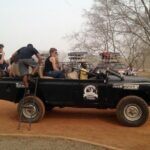
Safari in Mole feels personal here. This 3-day trip blends wildlife time in Mole National Park with community visits at Sognaayilli and Mognori, plus that special mix of walking safari and water-based searching from a canoe.
I love the fact that your return transport is built in, including airport pickup and hotel pickup/drop-off where selected. I also like that the price rolls up the big trip taxes and park costs, so you’re not doing last-minute math for admissions, environmental charges, or fuel.
One consideration: food and drinks aren’t included, and you’ll want to budget for meals on top of the tour price, even though lunches and dinners are scheduled into the days.
In This Review
- Key things I’d plan around
- Mole in 3 days: walking, jeep, canoe (and why that matters)
- Day 1: Sognaayilli culture village, markets, then Mole Motel evenings
- Day 2: early walks and drives, Mognori canoe safari, then jeep at golden hour
- Day 3: late breakfast, Laribanga Mosque, and back to Tamale
- Price and logistics: what you’re really paying for (and what you’re not)
- Guides, pace, and comfort: the small details that make a difference
- Where you’ll sleep and how your evenings feel at Mole
- Who this Mole safari is best for
- Should you book this 3-day Grassroots safari to Mole?
Key things I’d plan around
- Three safari styles in one place: on foot, by jeep, and by canoe at Mognori
- Culture that’s not just a stop sign: Sognaayilli culture village and Mognori eco-village dancing and guided walking
- Early wildlife time, then downtime: morning drives and walks, plus a pool break and sunset viewpoint
- Laribanga Mosque on day 3: an ancient West African mosque built in 1421
- All park fees and environmental charges included: national park fees, environmental management charge, and admissions
- Small-group feel: it’s private, for only your group (priced per group up to 2)
Mole in 3 days: walking, jeep, canoe (and why that matters)
Mole National Park is famous in Ghana for one big reason: wildlife shows up close, and you can experience it from multiple angles. This tour gives you the rare combo of walking, jeep drives, and a canoe safari, which changes how you spot animals and how the day feels.
Here’s the practical part: jeep time helps you cover ground and reach the best areas early. Walking slows everything down, so birds and smaller tracks become part of the hunt. Canoe time around Mognori adds a different soundscape and a new way of seeing the park’s edges.
You also get a schedule that balances effort with breaks. You’ll have mornings for wildlife, midday recovery, and evenings with cultural moments and proper sunset views from the Mole Motel area.
A few more Tamale tours and experiences worth a look
Day 1: Sognaayilli culture village, markets, then Mole Motel evenings
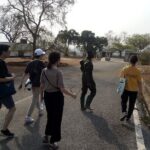
Day 1 starts with pickup at the airport and a drive toward the Sognaayilli culture village. This is where you get grounded in northern Ghana first: how people live, what daily rhythm looks like, and a chance to meet local community members rather than treating the region like a drive-through.
Then you’ll stop for lunch at the Wooden restaurant. After that, you’ll visit leather and local markets—exactly the kind of activity that helps you understand what you’re seeing later in Mole. By the time you reach the park after about two and a half hours on the road, you’re not just arriving at wildlife; you’re arriving with context.
Once you’re at Mole National Park, you’ll have time to freshen up before dinner at 7pm. The evening portion centers on Mognori eco-village, where you’ll witness dance steps and music. Afterward, you’ll head back to Mole Motel to rest and get ready for an early wildlife day.
What I like about this day: it avoids the common “fly in, rush out” feeling. You’re building a sense of place before you chase animals.
Day 2: early walks and drives, Mognori canoe safari, then jeep at golden hour
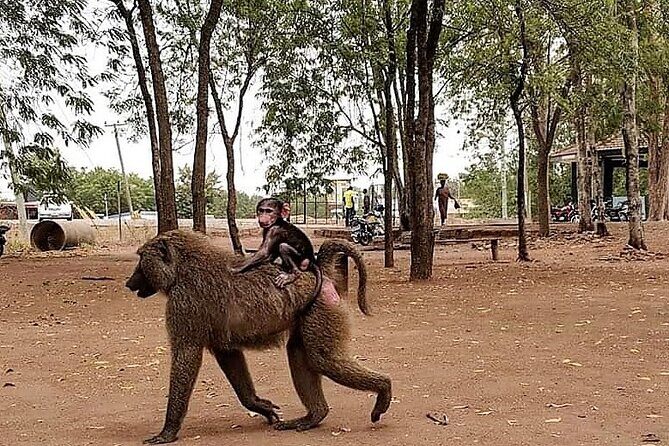
Day 2 is the wildlife engine. You start with early walks and drives around the park, looking out for animals like baboons, buffaloes, elephants, warthogs, and lots of bird species. The “early” part matters here: animals often move more at the start of the day, and it’s cooler, which makes longer time outside easier.
After the early drive comes breakfast. Later, you’ll return to Mognori eco-village for a village-guided walk plus a canoe safari. This is one of the most distinctive parts of the trip because it ties the wildlife day to local knowledge of the area’s waterways and rhythms.
By around 1pm, you’re back at the motel for lunch and a relaxing pool break. That downtime is not filler. It’s what keeps a long safari day from turning into a constant grind, especially if you’re flying from somewhere else or joining this trip on a tight schedule.
In the afternoon, the itinerary shifts into classic safari pacing: a jeep drive safari around 3:15pm and then sunset from the viewpoint at Mole Motel. Dinner follows again at 7pm.
What to expect in practice: your day will feel like a mix of controlled searching (jeep), slow observation (on foot), and a change of perspective (canoe). If you’re the type who loves birds as much as big game, this is a strong fit.
Day 3: late breakfast, Laribanga Mosque, and back to Tamale
Day 3 starts with a later breakfast and time to pack. It’s a gentle start, which is welcome after two active safari days, and it also gives you breathing room to enjoy the surroundings at Mole Motel before you head out.
On the way to Tamale, you stop at Laribanga Mosque. This is the oldest mosque in West Africa, built in 1421 and still standing. Even if you’re not a big architecture person, it’s a meaningful contrast to the wildlife focus of the earlier days.
After arriving in Tamale, you’ll have lunch again at the Wooden restaurant. Then it’s straight to the airport for your departure.
Why this day works: it turns your return trip into something memorable, not just logistics. You get a serious historical stop without turning the whole day into another “tour marathon.”
Price and logistics: what you’re really paying for (and what you’re not)
At $750.36 per group (up to 2) for about 3 days, this is not a budget-only safari. The value comes from what’s included in the core cost.
You’re getting:
- Airport/depature tax and all taxes/fees/handling charges listed as included
- Environmental management charge and national park fees
- Admissions and activities included
- A professional guide/driver, plus a local guide and tour escort/host
- Air-conditioned vehicle
- Accommodations and hotel pickup/drop-off (if selected)
You’re not getting:
- Food and drinks
So the smart way to budget is to assume you’ll cover your own meals while still benefiting from the included transport, park fees, and guiding. If you’re traveling as two people, the per-person cost drops compared to solo travel, because the price is per group.
Also note the tour is private. That means you’re not negotiating shared schedules with a big group. It tends to make a difference on safari days when you want to slow down for animals or adjust your timing around what shows up.
One more practical note: this experience requires good weather. If the tour has to be adjusted or canceled because of weather, you’ll be offered a different date or a full refund.
A few more Tamale tours and experiences worth a look
Guides, pace, and comfort: the small details that make a difference
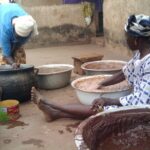
This tour runs with professional guides and drivers and uses an air-conditioned vehicle. That’s not just comfort talk. In northern Ghana, a good vehicle and a reliable driver reduce the “constant jostle” factor, so you actually enjoy the long drives to and from Mole.
You’ll also have a guide who handles the day’s flow, including the culture visits and park timing. Names you may come across with this style of trip include Emmanuel, Isaac, and David, and they’re praised for being flexible with the schedule and keeping the day running smoothly—especially for people traveling on limited planning time.
The pace is active but not chaotic. The itinerary gives you:
- Early safari time
- Midday meals and downtime (including pool time)
- Afternoon safari plus sunset viewing
That pattern is ideal if you want wildlife without sacrificing recovery.
Where you’ll sleep and how your evenings feel at Mole
You’ll stay at Mole Motel based on the routing and day timing. The vibe is practical: enough comfort to reset after safari drives, and it also functions as your sunset viewpoint reference point.
In the reviews style you’ll find for this kind of trip, people often call out the view over the park from the motel area as a highlight. It’s one of those “you don’t need to go anywhere” rewards at the end of the day.
Evenings are built around two anchors: dinner (again at 7pm) and either cultural activity (like the Mognori dance/music night on day 1) or sunset relaxing time (day 2). It’s a good rhythm for travelers who don’t want to spend nights guessing what to do next.
Who this Mole safari is best for
This tour is a strong match if you want:
- A short safari (3 days) that still covers multiple safari methods
- Wildlife plus culture in the same trip
- A setup that feels private and guided, rather than DIY logistics
- Comfortable transport with an air-conditioned vehicle
It also suits solo travelers. Multiple guide/driver experiences in this region are praised for making people feel safe and well looked after, and this itinerary is structured enough that you won’t be stuck trying to decode the day on your own.
If you’re the kind of traveler who hates changing plans due to wildlife movement, keep expectations realistic. Animals don’t show up on a timetable, and your best sightings depend on conditions and luck. Still, the mix of walks, jeep drives, and canoe searching gives you multiple chances to see something.
Should you book this 3-day Grassroots safari to Mole?
I’d book it if you want a focused Mole experience with variety—on foot, by jeep, and by canoe—plus real cultural moments at Sognaayilli and Mognori. The price-to-inclusions balance is the selling point for most people, because park fees, environmental charges, guiding, and transportation are handled for you.
I’d think twice if you’re trying to keep total trip costs ultra-low, mainly because food and drinks aren’t included. Also, if your ideal safari is all big-game, all day, every day, you’ll still get plenty of wildlife time, but the itinerary intentionally spreads it with culture and downtime.
If this matches the kind of trip you like—active mornings, recovery midday, and meaningful evenings—then this is a very sensible way to see Mole in a short window.